
The information provided on this site is for educational purposes only, please consult with a qualified healthcare professional regarding your specific health requirements.

vegan.com , vegan.org , and myfooddata.com are resourceful and informative.
Excess or deficient vitamins, minerals, and nutrients cause symptoms like poor absorbency of vitamins, minerals, and nutrients, cognitive decline, hair loss (excess vitamin A), and feeling faint and irregular heartbeat (potassium deficiency).
Freezing foods destroys vitamins, nutrients, and minerals.
Cooking breaks down some vitamins and nutrients.
Try my personal meal routine for every day.
The portions listed are designed for a 5’1″ female weighing approximately 110 lbs. with a moderate activity level. If you weigh more, you will likely need to increase the portion sizes—particularly the calorie-dense foods like beans, quinoa, oats, and plantains—to meet your energy needs.
I recommend using a calorie and macro calculator to estimate your daily needs, then adjust the portions of carbs (oats, plantains, beans, quinoa) and protein (tempeh, beans) accordingly. You can also share this meal plan with a generative AI tool, providing your weight, height, age, activity level, and goals, and ask it to rescale the portions to match your requirements.
Breakfast
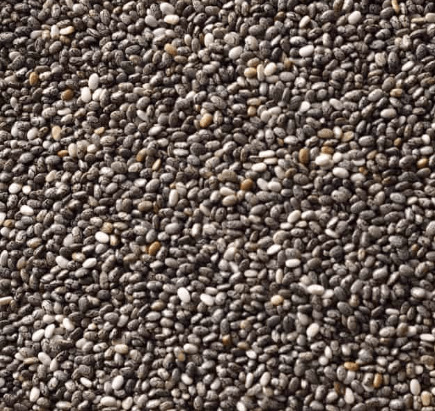
Sort chia seeds to remove unknown seeds from equipment and foreign objects. Morning oatmeal is eaten with chia seeds mixed in to make digesting and crunching chia seeds easier.
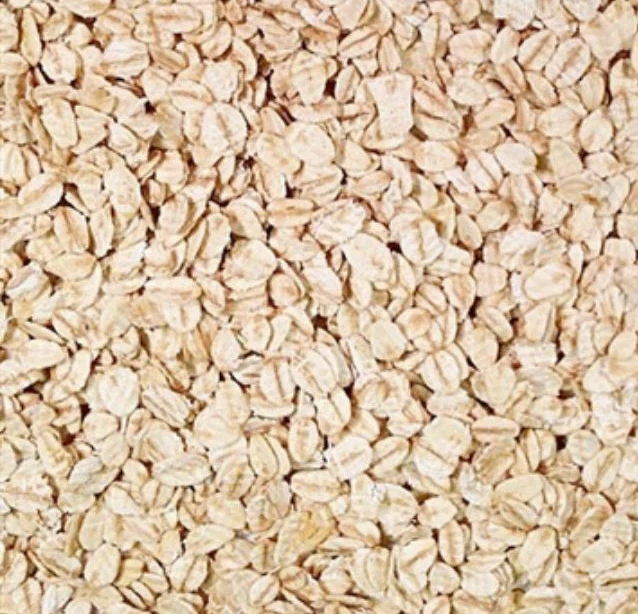
½ cups of 6+ hours soaked and drained organic cooked oats
(Carbohydrates, fiber, protein, and iron.)
Click here to learn why soaking grains improves nutrient absorption

4 tablespoons organic chia seeds, soaked for 30 minutes in the cooked oats
(Protein, fiber, and critically for brain function omega-3, omega-6, and omega-9 fats with their ALA converted to DHA.)
Chew every seed thoroughly, else the body won’t absorb the nutrients sufficiently.
Click here to learn why omega fats providing ALA and DHA are required to keep us alive.
Vitamin C from the plantains increases absorbency of the iron from the oats, chia seeds, and tempeh

3 ounces boiled tempeh
(Protein, fiber, vitamins, nutrients, and minerals.)
Contains almost 10% RDV calcium, slightly more than 10% Vitamins B3 and B6, slightly more than 20% for iron, Vitamin B2 and phosphorus, and more than 40% manganese and copper.

1 cut and boiled plantain
(Fiber, 36% RDV of vitamin A and C, 24% vitamin B6, and low values of other vitamins and nutrients.)
Unsweet and potato-like when cooked unripe and green, very sweet when yellow and ripe.
Exercise 2 hours after eating Breakfast, then:
Drink soy milk immediately after 30 minutes exercise for muscle repair and hydration.

1 cup of organic unsweet B12 fortified Silk soy milk
(Protein, 20% RDV calcium, 15% Vitamin A and D, more than 100% Vitamin B12 required to live (Click to learn more), 35% Vitamin B2, and other nutrients and minerals.

1 tablespoon of shredded unsulfured coconut
(Saturated and unsaturated fats, the brain and body need it to function and stay alive.)
Vitamins A and D from the soy milk require fat from the coconut to properly be absorbed.
2 hours after drinking soy milk,
Calcium (soy milk) vs. Iron (sunflower seeds)
Soy milk calcium reduces iron absorption from sunflower seeds.
Eating nuts and seeds 2 to 3 hours apart separately, at least 2 hours after calcium consumption, allows calcium to properly absorb without the phytates in nuts preventing nutrient absorption, and also allows the iron to be more easily absorbed. Iron absorption is increased by consuming vitamin C at the same time.
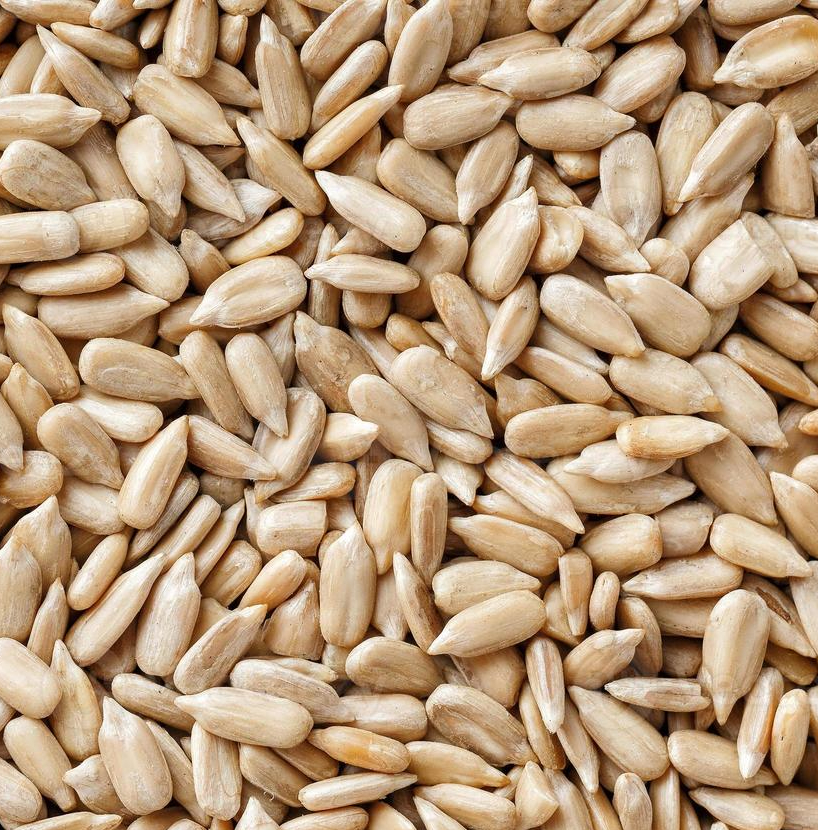
¼ cup organic salted and roasted sunflower seeds
(Fat, protein, fiber, sodium, more than 10% for Vitamins B3, B6, B9, iron, and zinc, approximately 30% manganese and selenium, and more than 40% Vitamin B5 and Vitamin E.)

¼ cup of organic raw walnuts
(Protein, fat, fiber, almost 8% RDV of iron, Vitamin B6, magnesium, and phosphorus, and more than 40% manganese and copper.)
2 hours after eating cashews and walnuts,
No Calcium (soy milk) vs. Zinc (cashews) competition.
4 hours after drinking soy milk allows the calcium to be effectively absorbed so the calcium doesn’t prevent zinc absorption from cashews.
Waiting 2 hours allows iron-binding compounds (phytates) from sunflower seeds and walnuts to thoroughly digest and won’t block the nutrient absorption from cashews

¼ cup of organic roasted and salted cashews
(Saturated and unsaturated fats, the brain and body need it to function and stay alive.)
Cashews are high in both zinc and copper, they are eaten separately from the other foods high in these same nutrients to prevent digestive competition for absorption.
Dinner
No Phytate (nuts and seeds) vs. Iron (beans) competition.
Waiting 2 to 3 hours allows the nuts and seeds to thoroughly digest so that their phytates don’t prevent the body from absorbing the iron from dinner.
Sort beans, quinoa, and rice prior to cooking to remove foreign objects. Eat at least one fruit or vegetable with vitamin C to greatly increase iron absorption. Eating fat, in this case coconut and avocado, with dinner allows fat soluble vitamins A, D, E, and K from vegetables to be more easily absorbed into the body.

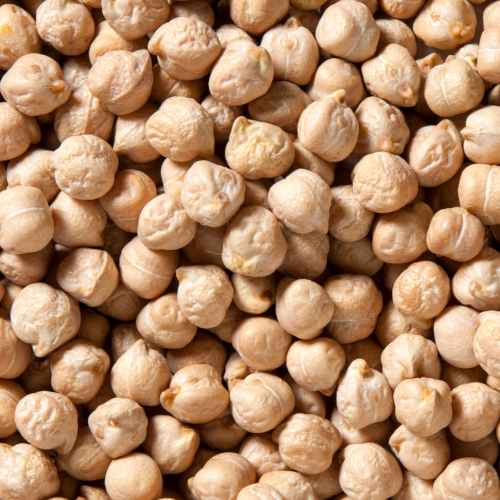
1 cup freshly cooked pinto beans
(Amino acids, fat, protein, fiber, vitamins and nutrients.)
Soak 6 to 8+ hours, drain to remove phytates that reduce nutrient absorption.
Beans: Cook time on Medium: 1 to 2 hours if soaked, 2 to 3 hours if not soaked.
Lentils: Cook time on Medium: 30 to 60 minutes.
½ cup rinsed and cooked organic quinoa
(Protein, fiber, and high in amino acids. Delicious, craveable, and nutty.)
Rinse until the water is clear, cooks for 15 minutes.
4 tablespoons of shredded unsulphured coconut
(Saturated and unsaturated fats, the brain and body need it to function and stay alive.)
Adds a Mediterranean or Indian flavor to the beans and quinoa, I add the coconut at the last 3 to 5 minutes of cooking to soften the shreds and make them easier to digest while also saturating the coconut flavor.
Vitamin C from the Kale and Avocado increases iron absorption from the beans and quinoa.
Fat from the coconut and avocado is required to properly absorb Vitamins A, D, E, and K form fresh vegetables.
Vitamins A, D, E, and K are fat soluble, and without fat, the body doesn’t absorb them sufficiently.
Beans are low in the amino acid methionine, yet high in lysine. Quinoa is high in methionine. Together, they form complete necessary amino acid proteins.
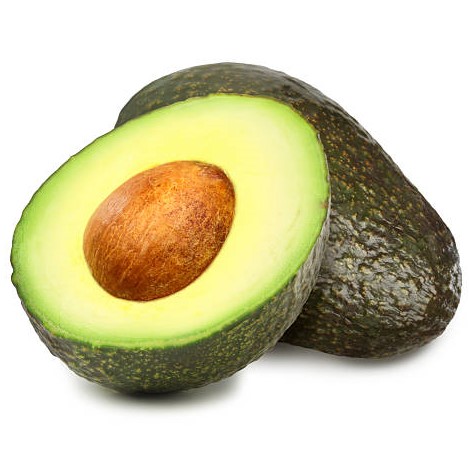
1 washed whole organic avocado
(High in fat, protein, fiber, and many vitamins and nutrients. Enjoy one every day, good source of Vitamins B1, B2, B3, B5, B6, B9, Vitamin C, Vitamin E, and Vitamin K.)

1 cup raw Russian kale
(More than 100% RDV Vitamin K, Vitamin A, and Vitamin C, good multi-micronutrient source for Vitamins B1, B2, B3, B5, B6, and Vitamin E.)

1 tablespoon rehydrated, drained, and rinsed wakame
(Almost 100% RDV iodine, 25% copper)
Caution: Wakame naturally has small amounts of arsenic, eating more than 1 tablespoon provides excessive iodine and arsenic that could be difficult for the body to process.

1 to 2 cups of raw or cooked vegetables
(Fiber, vitamins, minerals, and nutrients.)
Green peas, spinach, corn, beets, butternut squash, acorn squash, brussel sprouts, broccoli, cauliflower, green beans, yellow squash, and zucchini, are my favorite nutritional choices.
Grow organic vegetables from home and cook the leaves for some nutritious greens.
Many plants have edible leaves, including radish, carrot, broccoli, Brussel sprouts, kohlrabi, the gourd family (Cucurbitaceae [pumpkin, butternut squash, acorn squash, zucchini, yellow squash, etc.]), nasturtiums, purslane, dandelions, false hawksbeard, etc. Small leaves are the least fibrous and bristly leaves may be cooked to improve the texture. Be careful not too eat too much, different plants have different levels of oxalic acid that can reduce mineral absorption and cause kidney stones.

Beneficial Herbs & Additives

Thyme: 1 teaspoon each day is antiseptic, anti-inflammatory, improves digestion, and improves acne and other skin conditions.

Basil: 6 leaves each day combats cancer, diabetes, and heart conditions. Provides low vitamin K content, which supports blood health and bone strength.

Rosemary: 1 teaspoon each day is antibacterial, anti-viral, anti-inflammatory, antioxidant, and improves circulation.
Nutritional Categorization
Calculate Nutritional Totals
Some manufacturers and growers consider specific nutrients unnecessary to display on Nutritional Facts list, visit myfooddata.com to search for foods by the specific nutrient.
2,000 to 2,500 each day for adults
Do not exceed 70 g each day for adults

Roasted Salted Organic Cashews

Raw Organic Walnuts
Chia Seeds
Garbanzo Beans
Oats
Unsulphured Coconut Flakes
Avocado
Boiled Tempeh
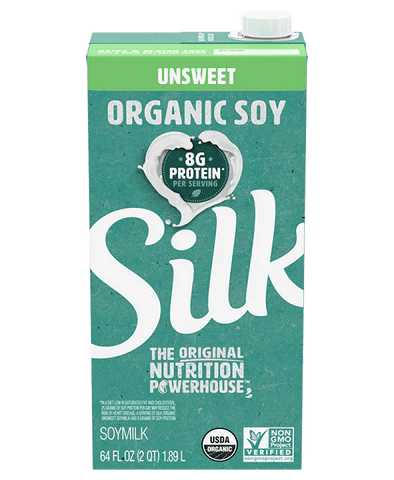
Soy Milk
Do not exceed 2,300 mg each day for adults
Roasted Salted Organic Cashews

Roasted Salted Sunflower Seeds

Rehydrated Wakame
225 mg each day for adults
Roasted Salted Organic Cashews
Roasted Salted Sunflower Seeds
Garbanzo Beans
Pinto Beans
Lentils
Quinoa
Oats

Boiled Plantain
Avocado
Raw Kale

Raw Cauliflower
Boiled Tempeh
Soy Milk
30 mg each day for adults
Roasted Salted Organic Cashews
Raw Organic Walnuts
Roasted Salted Sunflower Seeds
Chia Seeds
Garbanzo Beans
Pinto Beans
Lentils
Quinoa
Oats
Unsulphured Coconut Flakes
Boiled Plantain
Avocado
Raw Kale
Raw Cauliflower
Boiled Tempeh
Soy Milk
25 mg each day for adults
Roasted Salted Sunflower Seeds
Boiled Plantain
Avocado
Raw Kale
Raw Cauliflower
For every 30 lbs of body weight, an individual needs approximately 11 g of protein.
For example, 110 lbs. needs at least 40 g each day
Roasted Salted Organic Cashews
Raw Organic Walnuts
Roasted and Salted Sunflower Seeds
Chia Seeds
Garbanzo Beans
Pinto Beans
Lentils
Quinoa
Oats
Boiled Plantain
Avocado
Raw Kale
Boiled Tempeh
Soy Milk
1,000 mg each day for adults
Roasted Salted Organic Cashews
Raw Organic Walnuts
Roasted Salted Sunflower Seeds
Chia Seeds
Garbanzo Beans
Pinto Beans
Lentils
Quinoa
Raw Kale
Raw Cauliflower
Boiled Tempeh
Soy Milk
Rehydrated Wakame
500 mg each day for adults
Roasted Salted Organic Cashews
Raw Organic Walnuts
Roasted Salted Sunflower Seeds
Garbanzo Beans
Pinto Beans
Lentils
Quinoa
Boiled Plantain
Avocado
Boiled Tempeh
Soy Milk
900 mcg each day for adults
Roasted Salted Organic Cashews
Raw Organic Walnuts
Roasted Salted Sunflower Seeds
Garbanzo Beans
Pinto Beans
Lentils
Unsulphured Coconut Flakes
Boiled Plantain
Avocado
Raw Kale
Raw Cauliflower
Rehydrated Wakame
18 mg each day for adults
Roasted Salted Organic Cashews
Raw Organic Walnuts
Roasted Salted Sunflower Seeds
Chia Seeds
Garbanzo Beans
Pinto Beans
Lentils
Quinoa
Oats
Boiled Plantain
Avocado
Raw Cauliflower
Boiled Tempeh
950 mg each day for adults
Roasted Salted Organic Cashews
Raw Organic Walnuts
Roasted Salted Sunflower Seeds
Chia Seeds
Garbanzo Beans
Pinto Beans
Lentils
Oats
Quinoa
Boiled Plantain
Avocado
Raw Kale
Raw Cauliflower
Boiled Tempeh
Soy Milk
Rehydrated Wakame
2.3 mg each day for adults
Raw Organic Walnuts
Roasted Salted Sunflower Seeds
Chia Seeds
Garbanzo Beans
Pinto Beans
Lentils
Quinoa
Boiled Plantains
Unsulphured Coconut Flakes
Avocado
Raw Kale
Raw Cauliflower
Boiled Tempeh
Rehydrated Wakame
1,000 mcg each day for adults
Roasted Salted Organic Cashews
Raw Organic Walnuts
Roasted Salted Sunflower Seeds
Chia Seeds
Garbanzo Beans
Pinto Beans
Lentils
Quinoa
Boiled Plantains
Avocado
Raw Kale
Raw Cauliflower
Boiled Tempeh
Soy Milk
3,000 mg each day for adults
Roasted Salted Organic Cashews
Raw Organic Walnuts
Roasted Salted Sunflower Seeds
Garbanzo Beans
Pinto Beans
Lentils
Quinoa
Oats
Boiled Plantains
Avocado
Raw Kale
Raw Cauliflower
Boiled Tempeh
Soy Milk
55 mcg each day for adults
Roasted Salted Organic Cashews
Raw Organic Walnuts
Roasted Salted Sunflower Seeds
Chia Seeds
Garbanzo Beans
Pinto Beans
Lentils
Quinoa
Raw Kale
Raw Cauliflower
11 mg each day for adults
Raw Organic Walnuts
Roasted Salted Sunflower Seeds
Roasted Salted Organic Cashews
Chia Seeds
Garbanzo Beans
Pinto Beans
Lentils
Quinoa
Oats
Boiled Plantains
Avocado
Raw Kale
Raw Cauliflower
Boiled Tempeh
1.2 mg each day for adults
Raw Organic Walnuts
Roasted Salted Sunflower Seeds
Chia Seeds
Garbanzo Beans
Pinto Beans
Lentils
Oats
Avocado
Raw Kale
Raw Cauliflower
Boiled Tempeh
1.3 mg each day for adults
Raw Organic Walnuts
Garbanzo Beans
Pinto Beans
Lentils
Avocado
Raw Kale
Raw Cauliflower
Boiled Tempeh
Soy Milk
Rehydrated Wakame
16 mg each day for adults
Roasted Salted Organic Cashews
Raw Organic Walnuts
Chia Seeds
Roasted Salted Sunflower Seeds
Garbanzo Beans
Pinto Beans
Lentils
Avocado
Raw Kale
Raw Cauliflower
Boiled Tempeh
5 mg each day for adults
Roasted Salted Organic Cashews
Raw Organic Walnuts
Garbanzo Beans
Pinto Beans
Lentils
Avocado
Raw Kale
Raw Cauliflower
1.5 mg each day for adults
Raw Organic Walnuts
Roasted Salted Sunflower Seeds
Garbanzo Beans
Pinto Beans
Lentils
Boiled Plantains
Avocado
Raw Kale
Raw Cauliflower
Boiled Tempeh
30 mcg each day for adults
Raw Organic Walnuts
Roasted Salted Sunflower Seeds
Garbanzo Beans
Raw Kale
Raw Cauliflower
Vitamin B9
(Folate or Folic Acid)
400 mcg each day for adults
Roasted Salted Organic Cashews
Raw Organic Walnuts
Roasted Salted Sunflower Seeds
Garbanzo Beans
Pinto Beans
Lentils
Quinoa
Boiled Plantains
Avocado
Raw Kale
Raw Cauliflower
Rehydrated Wakame

15 mg each day for adults
Roasted Salted Sunflower Seeds
Garbanzo Beans
Pinto Beans
Avocado
Raw Kale
120 mcg each day for adults
Garbanzo Beans
Pinto Beans
Avocado
Raw Kale
Raw Cauliflower
Rehydrated Wakame


