
Upcycle and Compost
Upcycling reduces waste, gives old items a new purpose, and saves money by creating from items at home. Composting boosts plant health by creating nutrient-rich matter for your garden to absorb, keeps the rich nutrients of food scraps and yard trimmings out of landfills, and benefits the environment by reducing greenhouse gases while helping the soil retain moisture. Both upcycling and composting are easy ways to be more eco-friendly!
Upcycle
Plastic may only be recycled 1, 2, or 3 times until it’s degraded so much it is unable to be recycled. Upcycling finds new uses for objects and keeps them out of landfills!
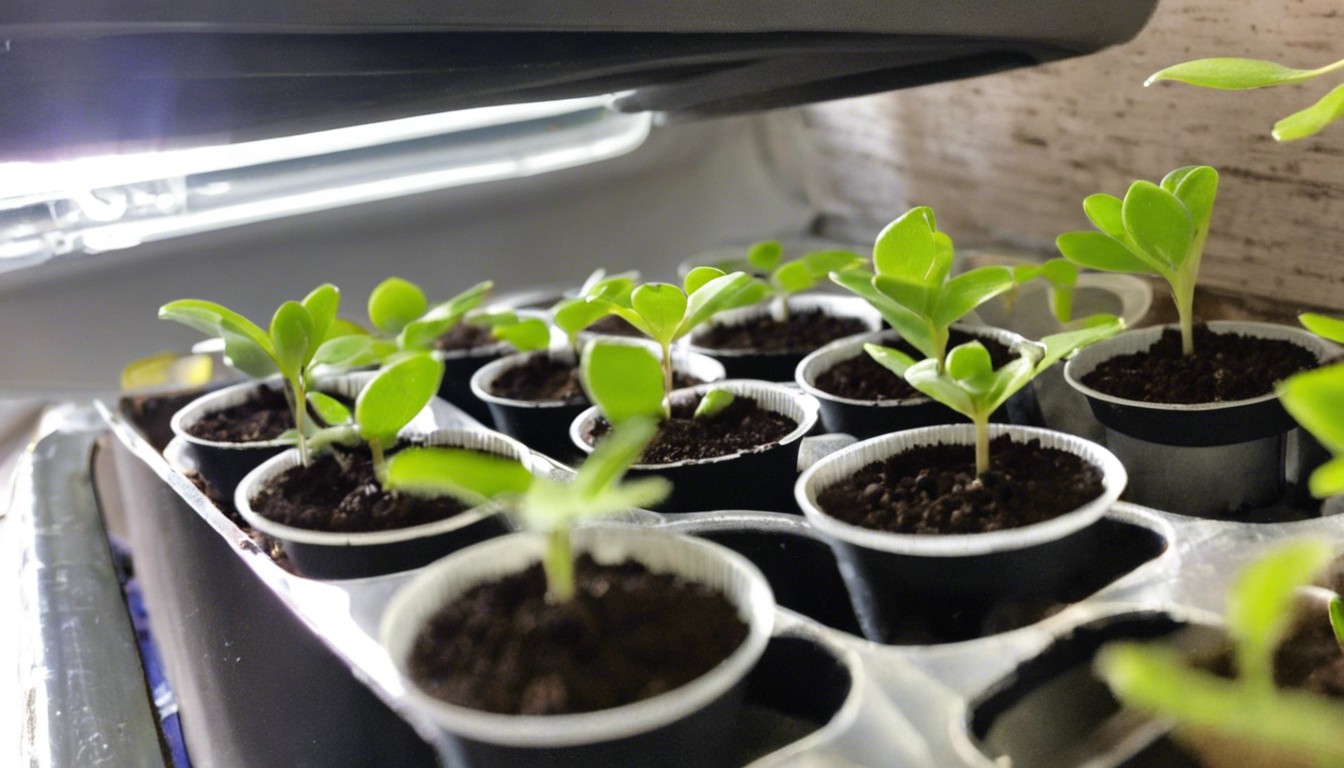
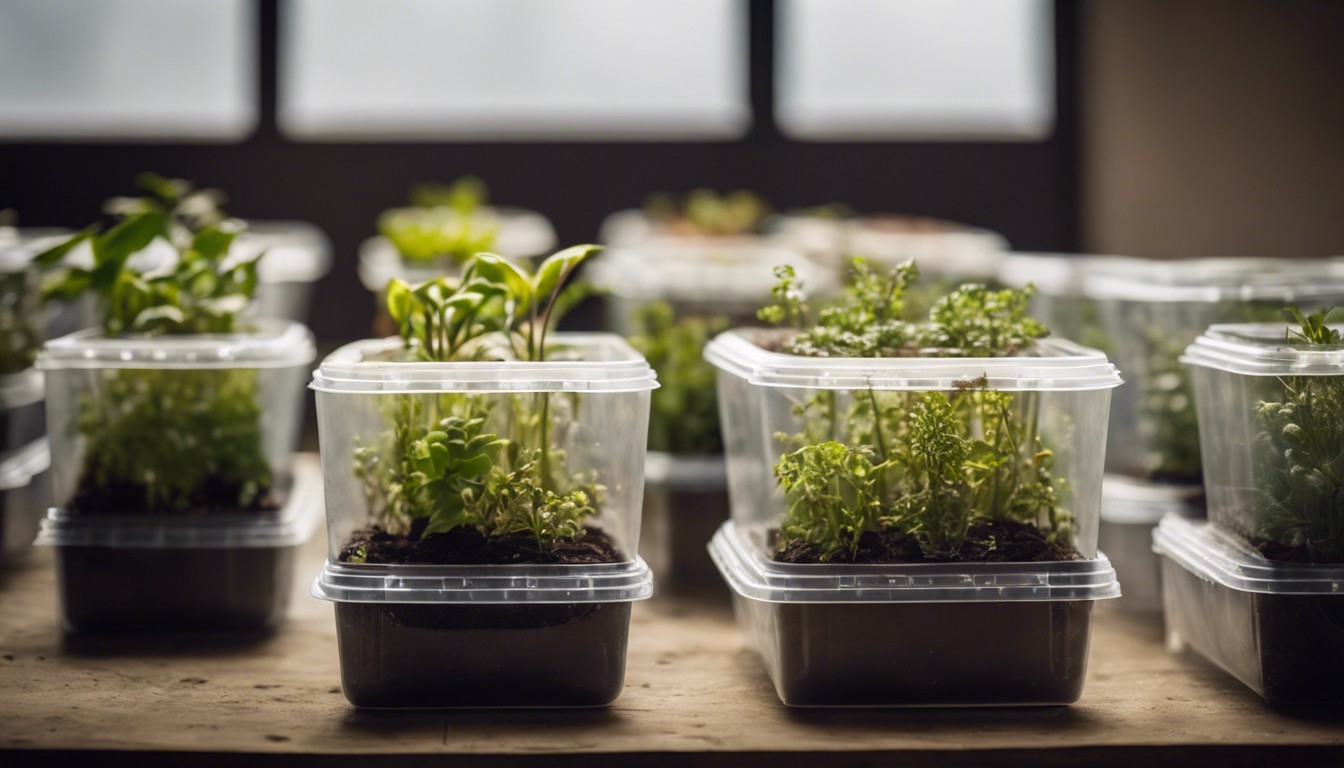
Cleaned K-cups make excellent seed starters. I water my indoor K-cup starters every day in the Summer and every few days in the Winter.
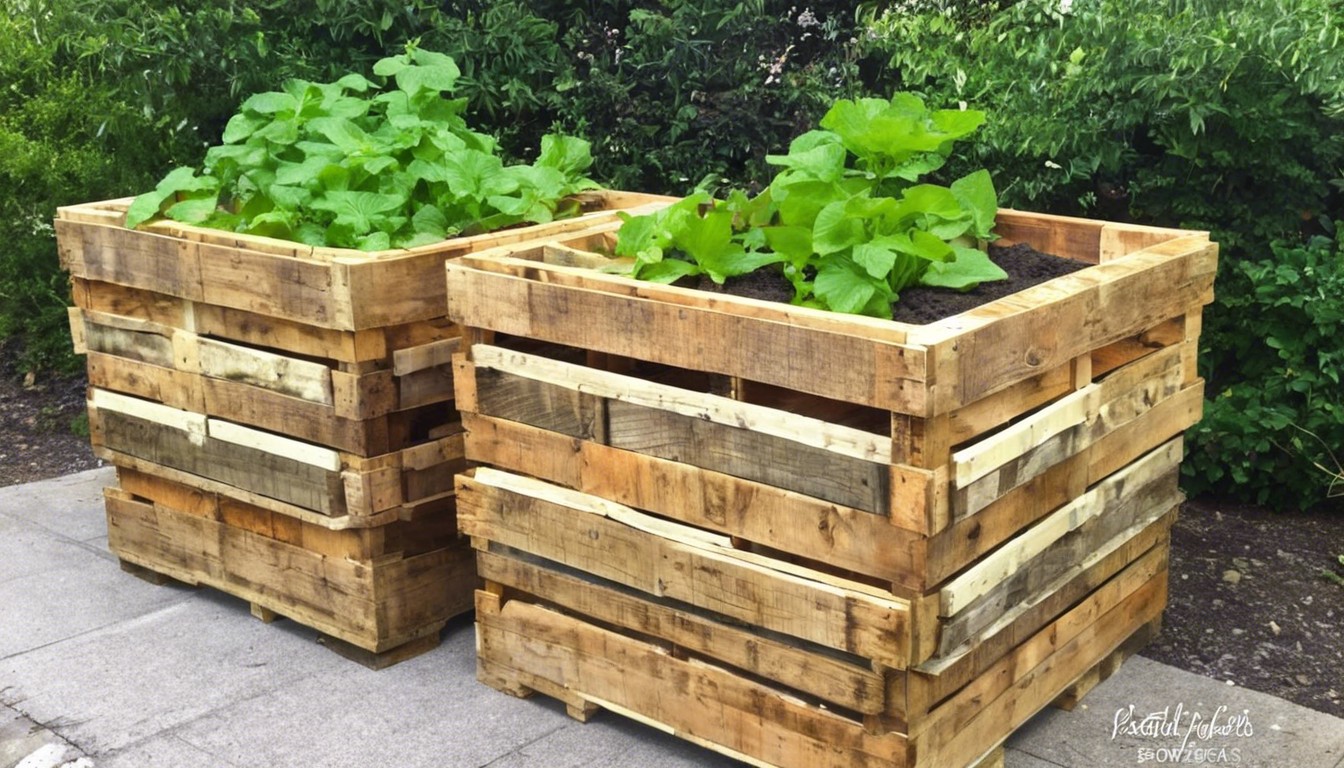
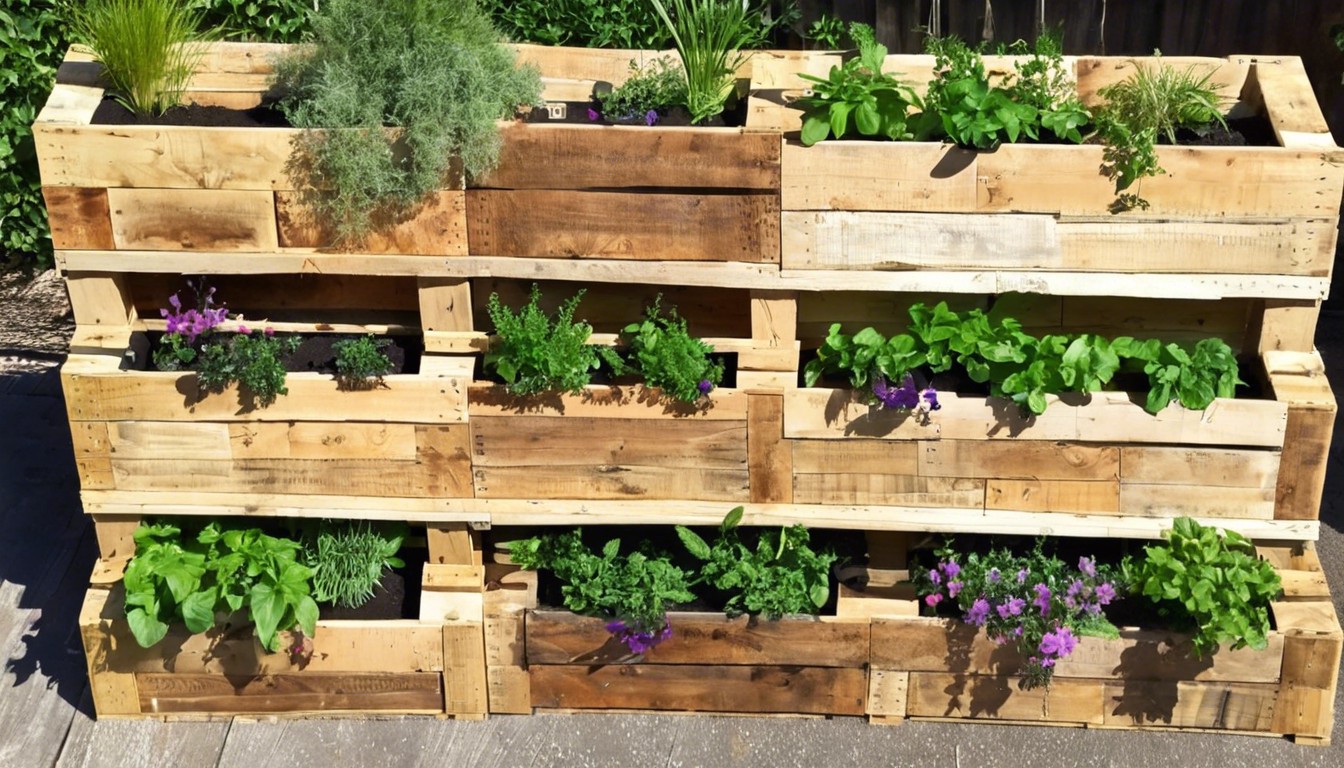
Quality used pallets may be used to construct a greenhouse, make raised surfaces for working, or even build shelf planters.
Empty vinegar containers, plastic containers, industrial-sized water containers, milk jugs, plastic cat litter containers, and any other containers that haven’t touched harmful chemicals can all be upcycled and used for planting, storing fertilizer, etc.
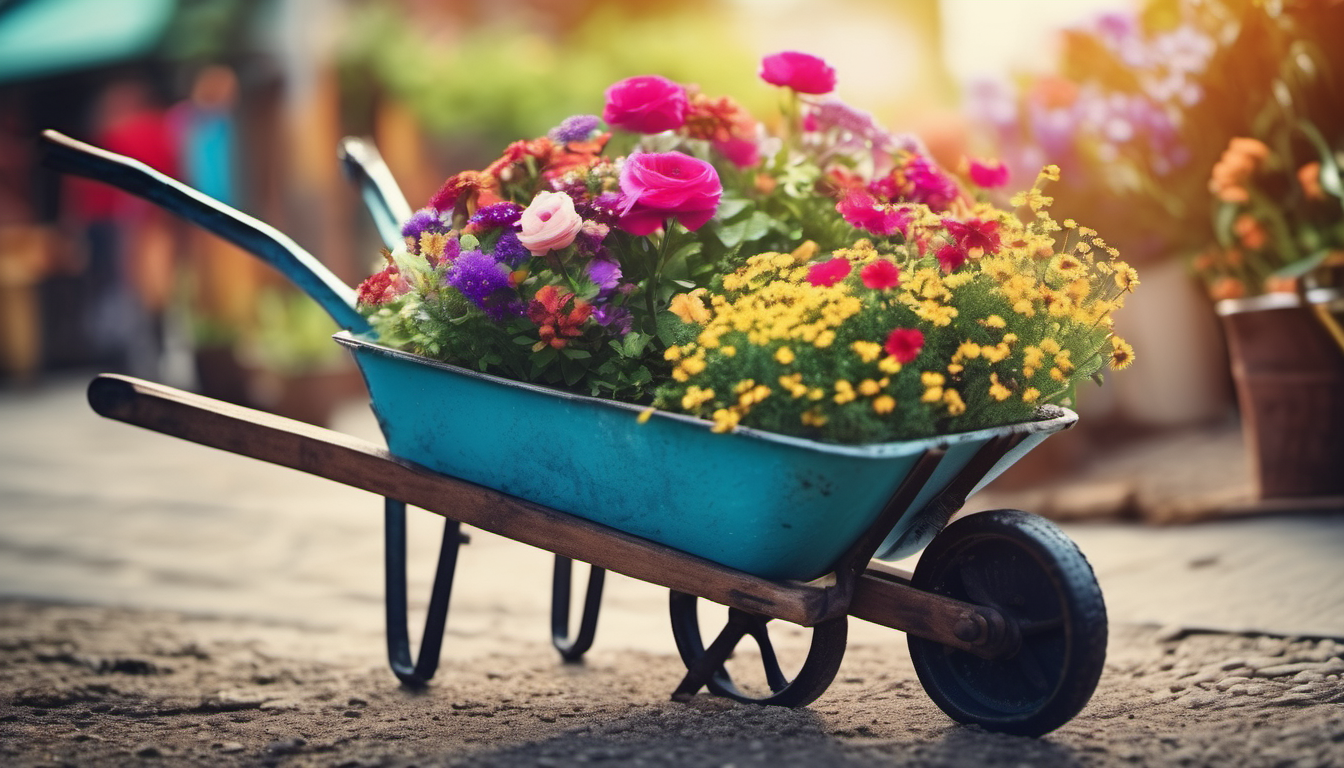
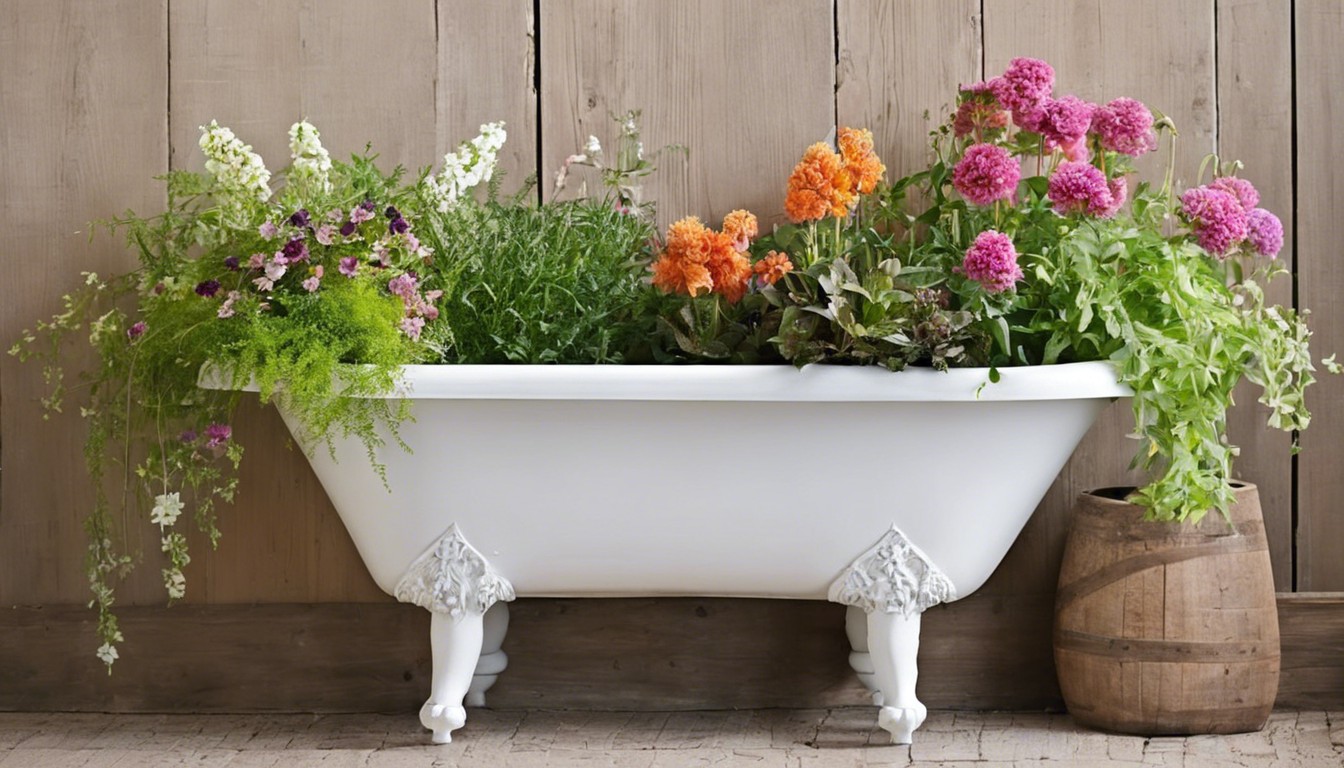
Wheelbarrows, old trash cans, claw-footed bathtubs, and other interesting containers make really unique planters!
NOTE: Avoid lead-painted (which is toxic) items from 1978 or earlier. Once water is introduced to a lead painted item, in this case to be an upcycled planter, the lead can be absorbed by the water and the toxins may leech up and into a plant through the roots.
DID YOU KNOW? Laundry machine soap containers are rejected if they have not been thoroughly rinsed. It is important to thoroughly wash out containers prior to recycling.
Chemicals stored in containers can leech into plastics and thereafter leech into the soil and affect a plant! Do not use chemical buckets from automotive shops, liquid chemical industrial containers, etc.
Compost
Compost converts decaying matter to nutrient rich soil!
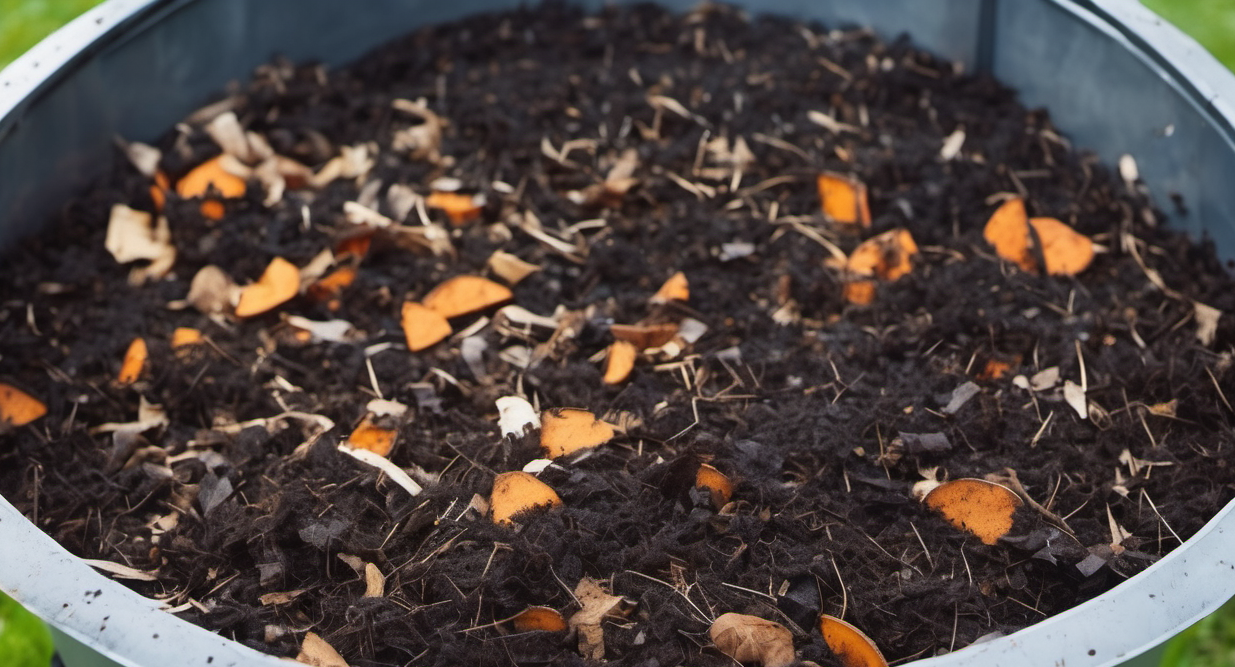
Organic Scraps + 6 months to 1 year = Nutrient Rich Soil
(Depending on the climate, hot weather breaks matter down faster than cold weather.)
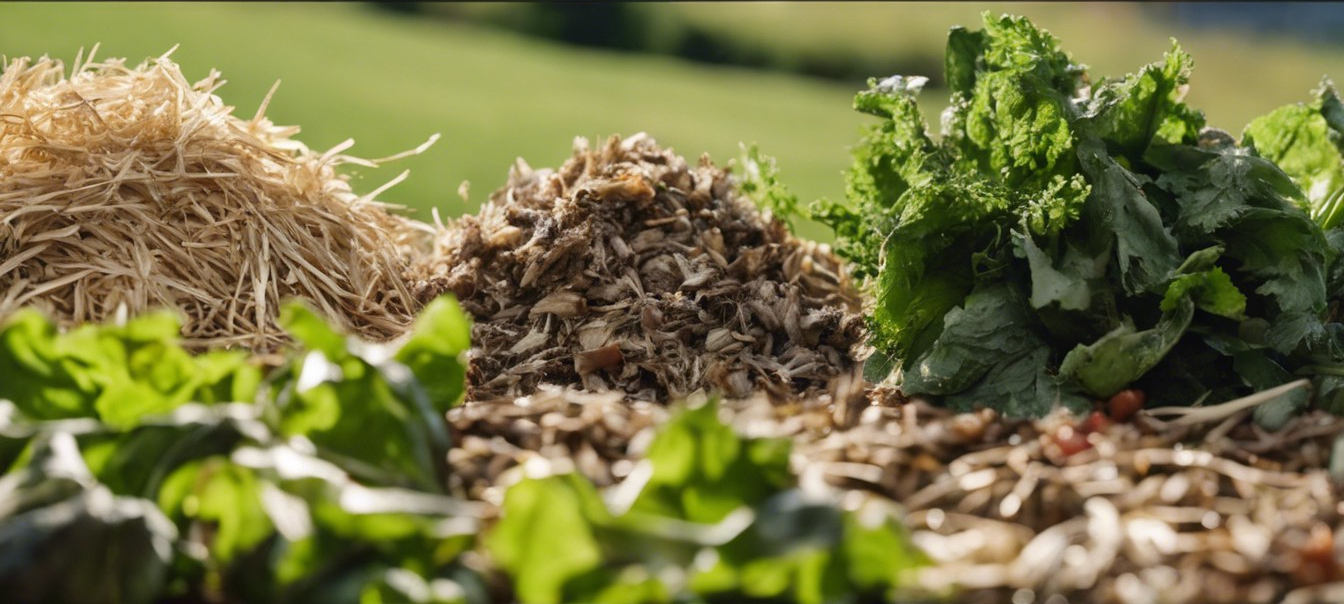
◦ Organic kitchen scraps (Vegetable leftovers, teabags, fruit peels)
◦ Natural wood ash (No lumps of charcoal; no burned garbage or burned treated wood)
◦ Organic yard matter (Dead leaves or grass clippings not sprayed with pesticides)
◦ Organic hay and straw
This is the preferred way to fertilize everything and causes plants to radiate vibrant colors and grow healthfully! Anyone can compost, from a tiny container (IE: a popcorn tin lined with a durable bag), a small compost tumbler, to a huge pile. Adding too many dead leaves causes an undesirable amount of tannins (a bitter compound found naturally in leaves), which some plants may be sensitive to and react negatively to.
 Vegan Botany