
The information provided on this site is for educational purposes only, please consult with a qualified healthcare professional regarding your specific health requirements.
Survival and Preservation
RANDOM FACT
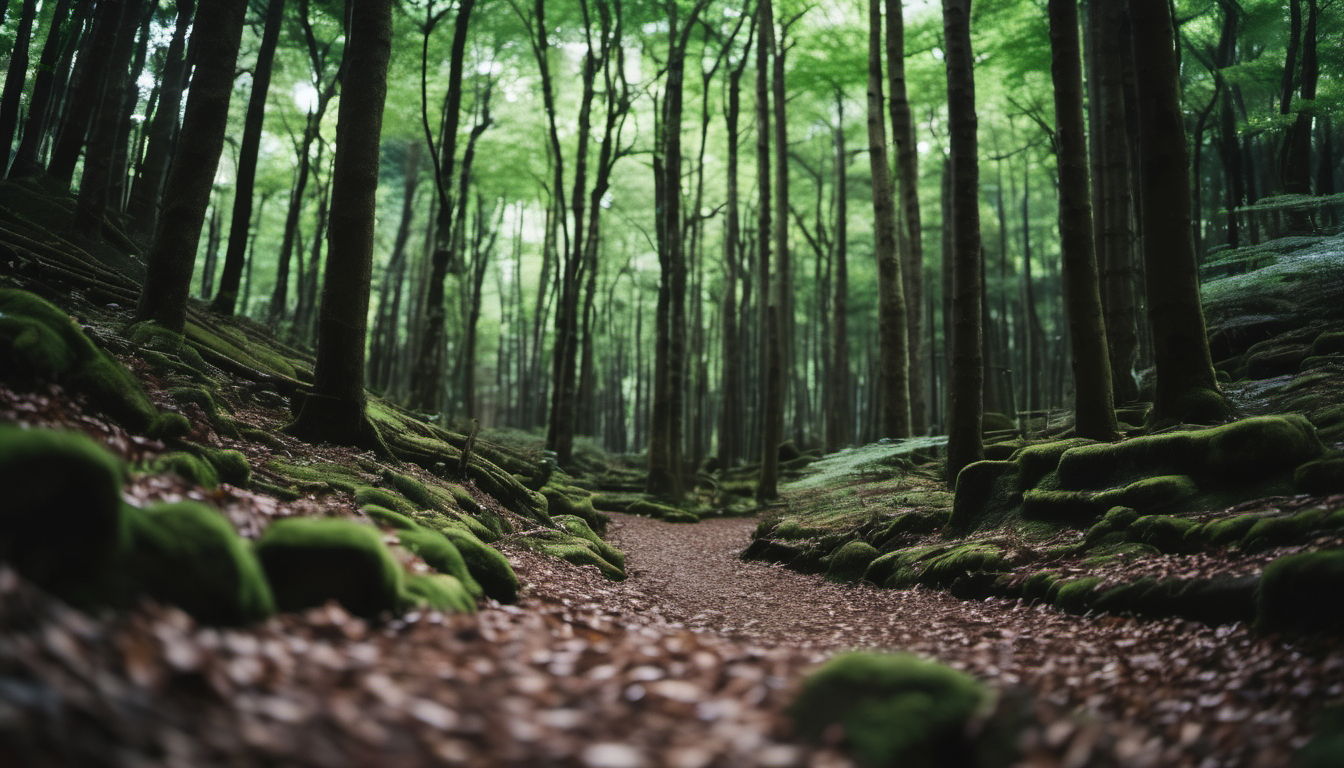
While traveling in forests, be aware of decomposing trees which pose a hazard as potential deadfalls. A deadfall is a tree that is dead, rotten, and unstable. Simply being touched or blown by the wind could cause it to fall and severely injure or kill someone.
Survival for a vegan in the woods is short-term, finding enough nutrients is challenging. Vitamin B12 is necessary to live, maintain brain, blood, and nerve health, excellent sources are fortified soy milk (Silk refrigerated or shelf stable soy milk), specific raw mushrooms (white button, cremini), cooked portobello, raw almonds, fresh organic vegetables (beet greens, spinach, raw spirulina), fresh organic fruit (avocado, sugar apple, durian).
Hygiene
Cleaning equipment and the body prevents sickness and infection.
Toothpaste cleans teeth and gums, removes food particles and plaque, and freshens breath.
Herbal Toothpaste: Crushed rosemary leaves, crushed sage leaves, crushed mint leaves, crushed mint flowers, or crushed echinacea flower mixed as a paste and brush. Also safe to consume!
Mouthwash is suggested to be used every time one brushes their teeth.
Homemade Mouthwash: Combine 1 teaspoon fresh, crushed organic lavender flowers (antiseptic) with an optional 1 teaspoon fresh, crushed bad breath herb and steep for 5 to 10 minutes. Swish vigorously with for 60 seconds and spit, do not swallow.
Saltwater: Swishing with a mild saltwater after brushing reduces inflammation and promote healing, however not suitable as a daily substitute for toothpaste.
Tooth decay and stinky breath are prevented by brushing teeth after each meal, flossing, using mouthwash, and drinking plenty of water.
Coconut Oil: Do a preliminary brush of teeth with water to remove hard food particles, flossing also suggested. Then, swish with 1 tablespoon of coconut oil vigorously for approximately 1 minute, known as “oil pulling”. Either consume or spit out the oil, and then brush with toothpaste afterwards, flossing again. Coconut oil contains lauric acid, which has antimicrobial activity against many microorganisms.
Nutrition
Click here to view food sources for specific vitamins, minerals, and nutrients.
Rations: Grape nuts cereal (protein, fiber, and many vitamins and minerals), dry quinoa (rinse and eat raw for more nutrients than cooked quinoa or cook), dry chickpeas [garbanzo] (soak for 6 hours prior to cooking or cook for extra time if not soaked), dry lentils nuts seeds (does not need to be soaked), nuts (pistachios, almonds, pecans, walnuts, brazil nuts), and seeds (chia, flax, sunflower, pumpkin, squash).
Pine Needle Tea: Ancestors and explorers would steep pine needles in hot water and drink the hot tea to increase vitamin C and ward off scurvy. Harvest fresh, green pine needles and steep in hot water for 10 to 15 minutes.
Microgreens: Excellent fast-growing emergency food that may be grown from the following seeds: chia seeds, flax seeds, quinoa, buckwheat, broccoli, pea, radish, clover, mustard, chickpea {garbanzo}, lentil, mung bean, soybean, black bean, and kidney bean. Ready for harvest in 1 to 2 weeks, source of low calories carbohydrates, fiber, protein, calcium, iron, and other nutrients.
Protein and Omega-3 and Omega-6 Fatty Amino Acids:
Chia seeds and flax seeds are lightweight, portable, ready to plant, and are a source of carbs, fiber, low protein, calcium, iron, and other nutrients. Raw seeds maintain their nutritional integrity better than cooked seeds. Ingest the most nutrition from seeds by thoroughly chewing the seeds. Add at the end of cooking, especially after a dish has cooled down to preserve the nutritional properties. Mix chia seeds well in liquid immediately after adding to prevent clumping. Excellent for grits, organic oatmeal, vegan protein recipes, sauce, marinade, soup, stew, salad, dressing, dip, garnish, dessert, jam, baked goods, smoothie, and tea.
Vitamins: Supplements have many vitamins, minerals, and nutrients and are lightweight.
Vegan Egg: 1 tablespoon of either flax, chia, plantago major seeds + 2.5 tablespoons of water. After a few hours, consume for nutrients and protein or use with a recipe as a binding agent.
Gear Selection
Every ounce counts.
Necessary Gear: At least one set of clothing (full brimmed hat to wear as sunblock, shirt, underwear, pants, belt, socks), raingear or a poncho, waterproof boots, hydration bladder or water container, several dry bags (store cell phone, electronics, keys, wallet, foraged food, dry tinder, etc., and haul water), several plastic bags, small waterproof hygiene bag (toothbrush, toothpaste, floss, nail clippers), solar lantern or solar flashlight, tarred mariner line (for tying branches, keeping food stored off the ground away from animals), carbon steel knife, and one piece of flint or one ferrocerium rod.
Color Selection: Vibrant and neon colors are easy to see in the daytime and at night, however these scare and aggravate wild animals. Natural colors white, green, brown, black, and grey camouflage equipment with nature.
Organization: Having items easily accessible is necessary for functionality and convenience. Think about every item to keep in the bag and what will be used most frequently, which should influence the choice of backpack taking into consideration how many compartments there are and what those compartments would be specifically used for. Store the least used objects at the bottom of your backpack, keeping frequently used items on the top. Dry bags (advertised below) keep items dry, protected, and organized. I suggest at least a minimum of 4 bags, two 3 L bags (good for electronics and hygiene items) and two 35 L bags (one for folded clean clothes, the other for dirty laundry). Using plastic bags is another alternative for organization.
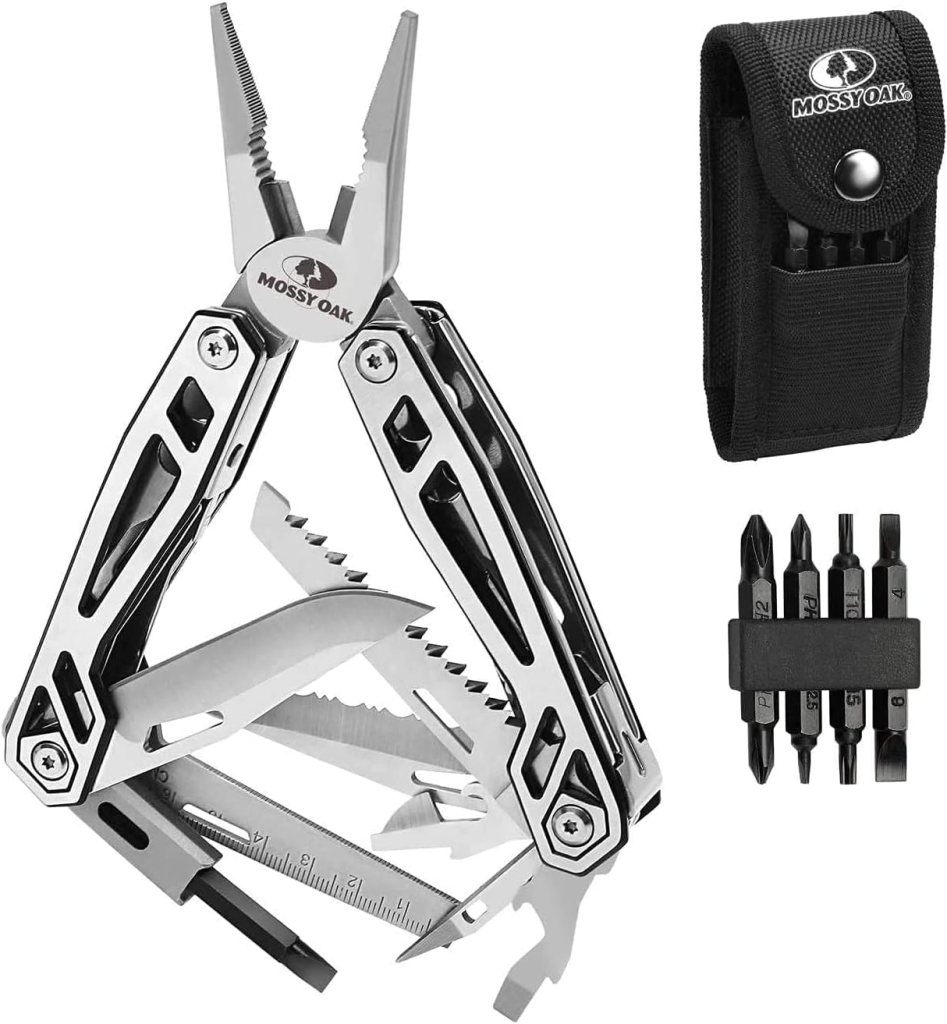
Mossy Oak Multitool, 21-in-1 (Knives Saws, Screwdriver, Self-locking Pliers)
I use this multitool around the garden and the house frequently and keep it in my backpack for emergencies.
$35.99
$23.79
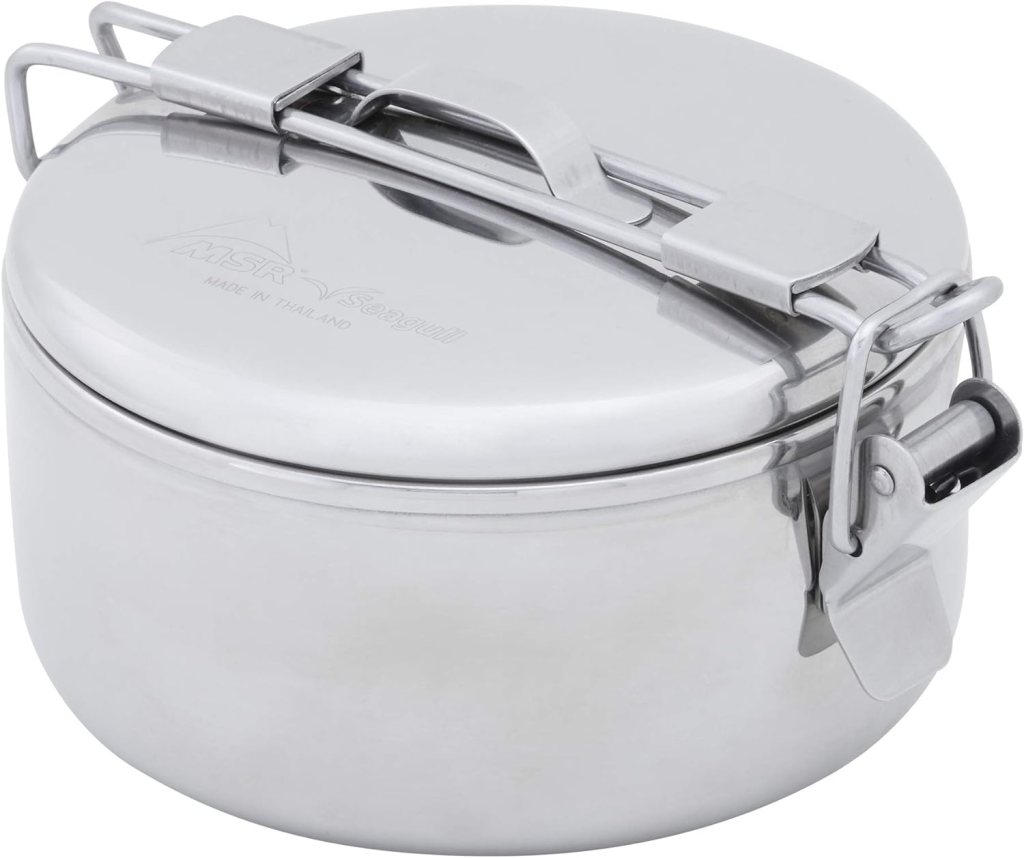
MSR Alpine Stainless Steel Stowaway Camping Pot
Camping pot with hinged, locking handle and durable design, excellent for storing items while not being used (such as food, tools, tinder hygiene products, etc.). I suggest the 1.6 Liter to boil the most amount of water.
$22.95 to $34.95
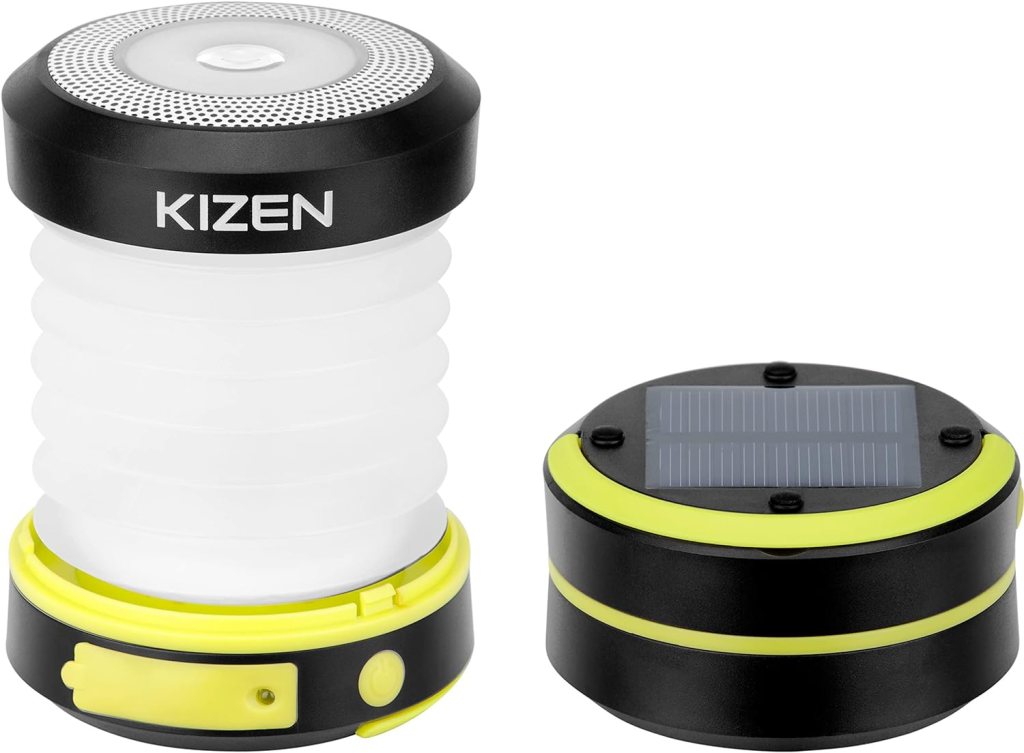
Kizen LED Solar Collapsible, Rechargeable Camping Lantern
Keep in the car, backpack, by the bed. Nice for power outages, emergency flashlight and camping light.
$24.99
$19.99
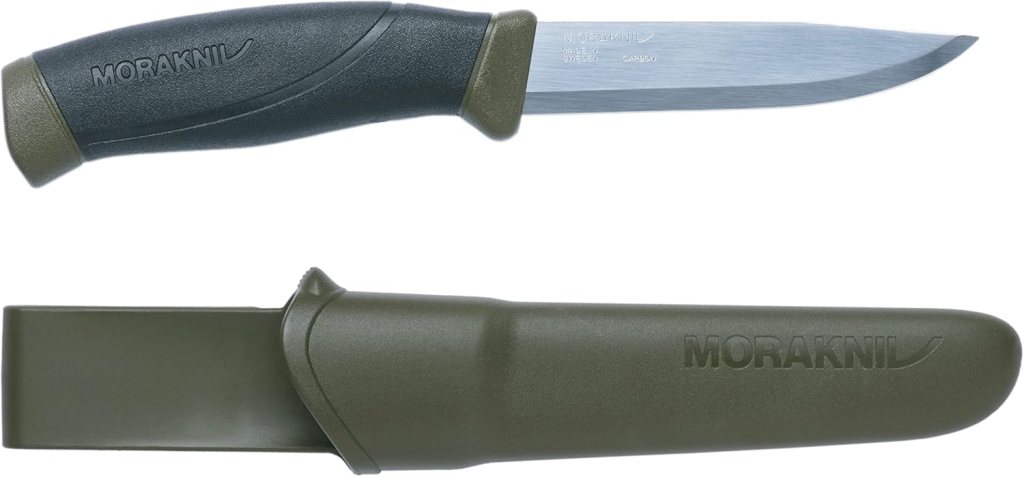
Morakniv Companion Carbon Steel 4.1″ Fixed Blade Knife with Sheath
Excellent quality knife for use in the garden, outdoors, woodcarving, and for culinary endeavors.
$15.06
Free Shipping and Free Returns
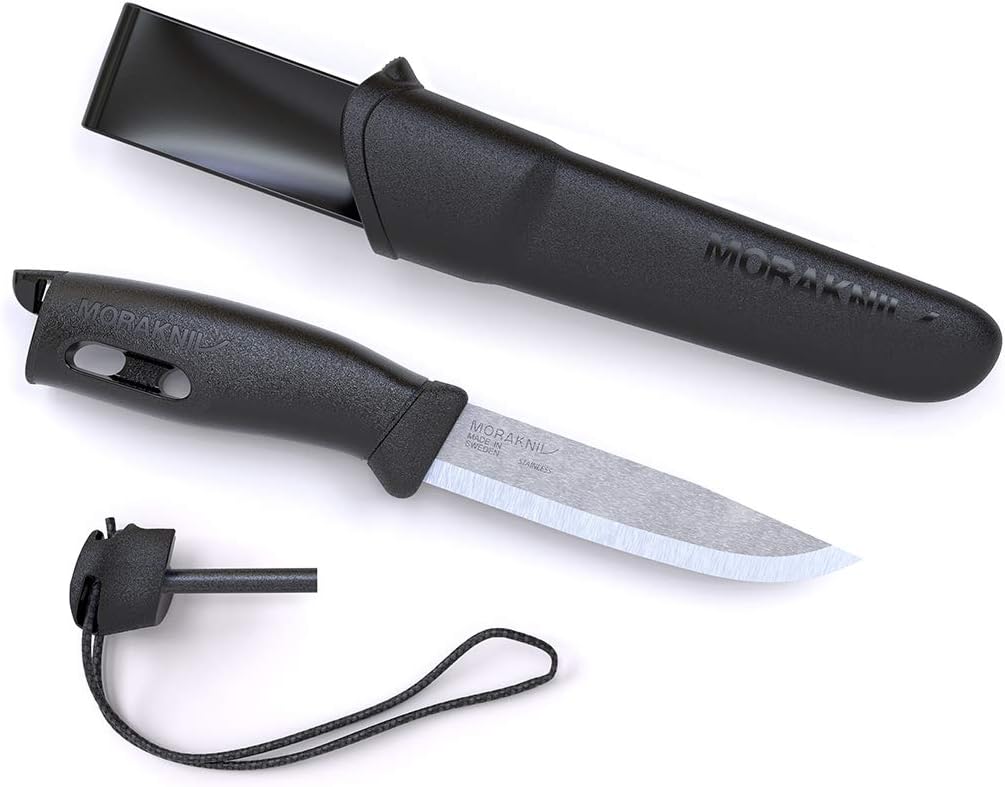
Morakniv Companion Spark 3.9″-Inch” Fixed Blade Outdoor Knife and Fire Starter
Excellent quality knife for use in the garden, outdoors, fire starting, woodcarving, and for culinary endeavors.
$33.59
Free Shipping and Free Returns
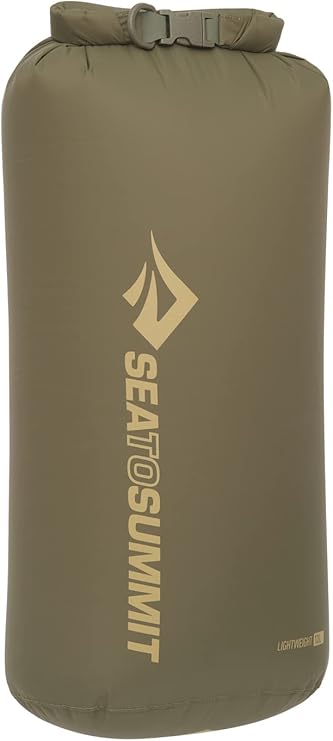
Sea to Summit Lightweight Dry Bag, Multi-Purpose Dry Storage
Lightweight, roll top nylon dry bags keep items dry and help organize for backpacking, hiking, camping, sea kayaking, ski touring, cycling and travel. I use one 3 L bag for electronics, one 3 L bag for hygiene products, one 35 L bag for clean clothes, and one 35 L bag for dirty clothes (keeps odors locked in), keeping the backpack organized and smelling fresh.
Doing Laundry: Use the dirty laundry bag and a bar of soap (preferably biodegradable) in a dirty sock to scrub all the clothes (especially stinky areas like the armpits and groin, do a smell test to ensure it’s clean) to do laundry by hand, then all the soaped clothes to the bag with clean water (preferably warm) and shake vigorously for 3 to 5 minutes. Open the bag carefully to keep the water in, use hands to repetitively squeeze the clothing and agitate to further clean. Dispose of the water appropriately, and add fresh water to the bag with the soapy clothes. Shake vigorously again for 3 to 5 minutes, then dispose of the water. Repeat as necessary until the clothes are soap free. For very stinky clothes, add them to the bag with 2 cups of white distilled vinegar and fill with clean water (preferably warm) to do a presoak before washing with soap.
$17.95 to $34.95
Free Shipping and Free Returns

