
Soil and Ground Cover
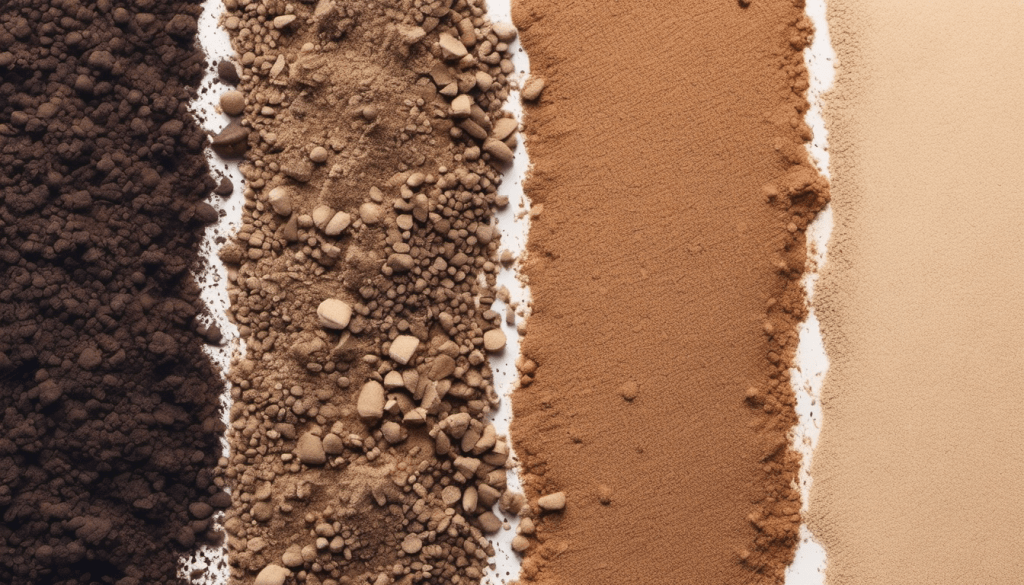
Plants grow in a variety of substrates, some very adapted and able to survive various environments, while some are delicate and particular, needing specific conditions to be met.
Types of substrates are loam, peat, silt, rock, stone, clay, sand, wood, mulch, saline, and water (hydroponic).
Loamy soil and organic compost are best soil types because of nutrient density and good drainage. For starting seeds, my preference is mixing sand with compost.
Substrate Preference Rating
| ~ 1 Fair | ~ 2 Average | ~ 3 Good | ~ 4 Best |
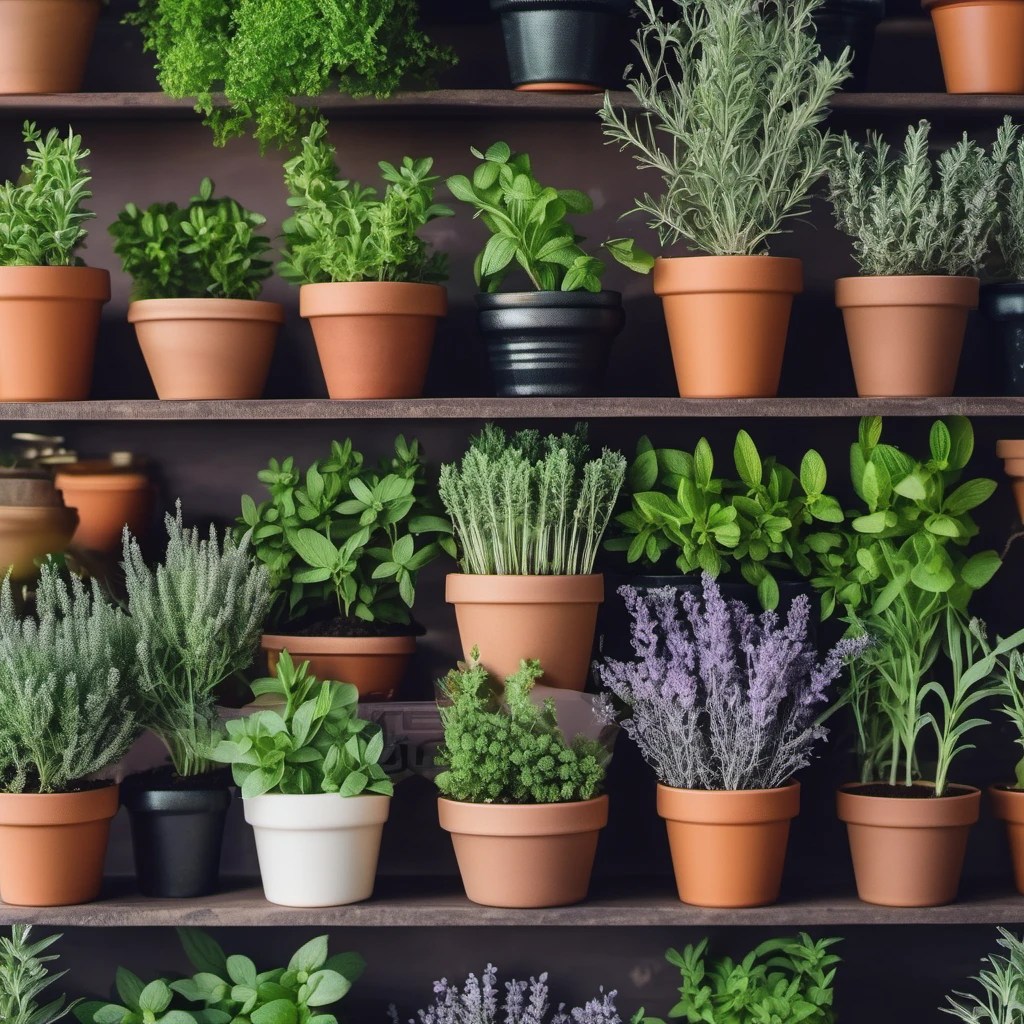

Soil Types

Loam (~ 4): This soil has balanced water retention. Naturally rich with nutrients and minerals, rich compost typically becomes loam after 6 months to 1 year.
➕ Good: Rich in nutrients and minerals, well drained.
➖ Bad: If not refreshed for a period of time, can become dried out and stale. (The solution is to mix in fresh organic compost and water, mixing until the loam retains water again.)
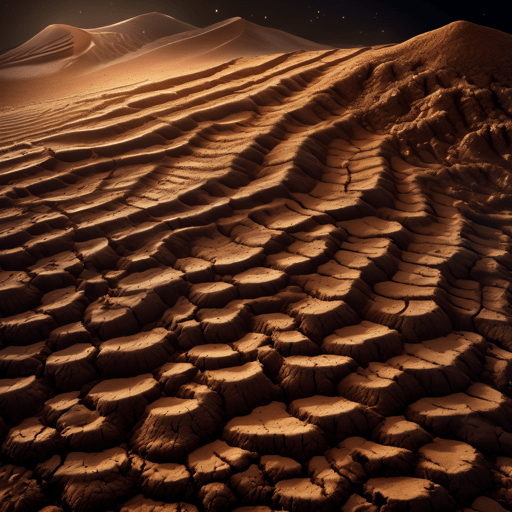
Clay (~ 2): Naturally contains nutrients and minerals. Clay particles are smaller than sand or silt, it sticks to itself easily, making it difficult to break apart. Readily absorbs water, if dried solid (usually from not receiving water from long periods of time), it won’t take water unless amended.
➕ Good: When broken up and loose, it is rich in nutrients, retains water well. Excellent when mixed with sand and loam.
➖ Bad: Poor aeration and impermeable to water when compact. Difficult to break apart, messy when wet and leaves clay residue (just like wet pottery clay).
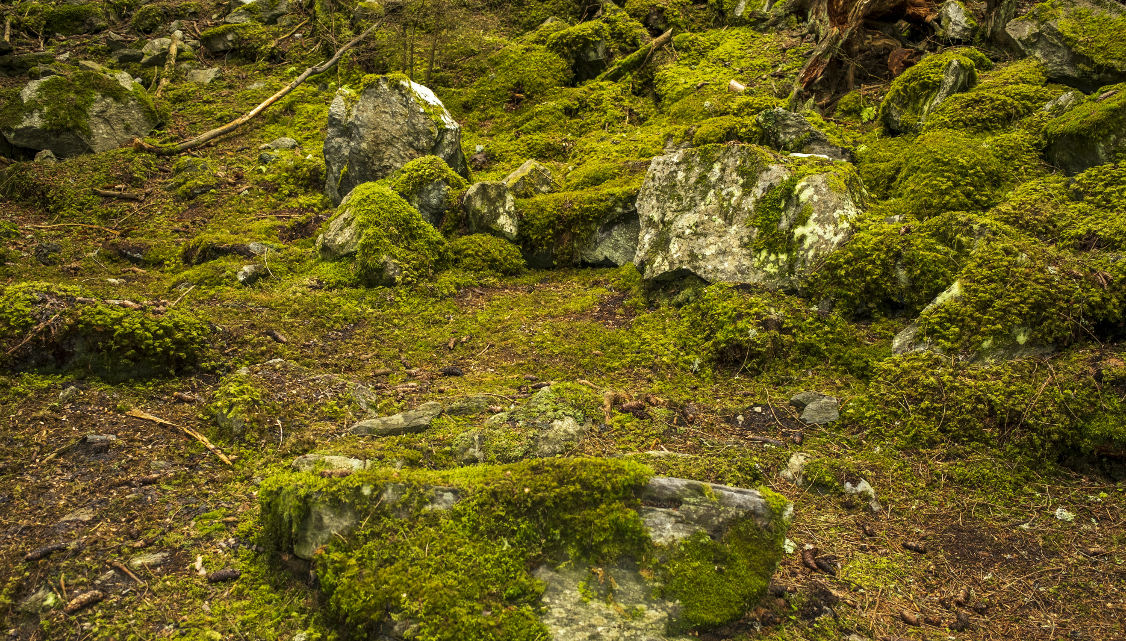
Peat (~ 4): Harvested from peat bogs and wetlands of Earth’s northern hemisphere, peat retains water (more than sand, less than loam) and is very well drained. For this reason, it makes an excellent substrate when mixed with loam.
➕ Good: Excellent soil amendment, resists soil compacting, lacks bacteria and fungi, lasts for many years, good for acidic soils, used for hydroponic growing medium.
➖ Bad: Non-renewable, some countries have banned peat moss sales. Harvesting releases carbon back into the atmosphere, contributing to global warming. Taking this natural resource also destroys a native habitat essential to the survival of many birds, reptiles, insects and small mammals.

Saline (~ 4) (for salt-loving plants): – Some plants thrive in salty conditions, called halophytes. Saline (or salty) conditions occur in swamps, shorelines, salt lakes, and semi-deserts. Some plants are tolerant of salt, and it may be only the foliage is salt tolerant, only the roots are salt tolerant, or both could be salt tolerant. (Sadly, this salt tolerance specificity is not addressed by plant nurseries for customers as much as it should be. I’ll attempt to add this information when I can.)
➕ Good: Provides necessary growing medium for specific plants.
➖ Bad: Not all plants can tolerate salty soil. Water salinity can be tested for free at pool stores, and soil salinity can be tested by local universities and colleges for free or at a price (search online: soil sample test [your state or most local university/college] IE: search for “soil sample salinity University Central Florida”).
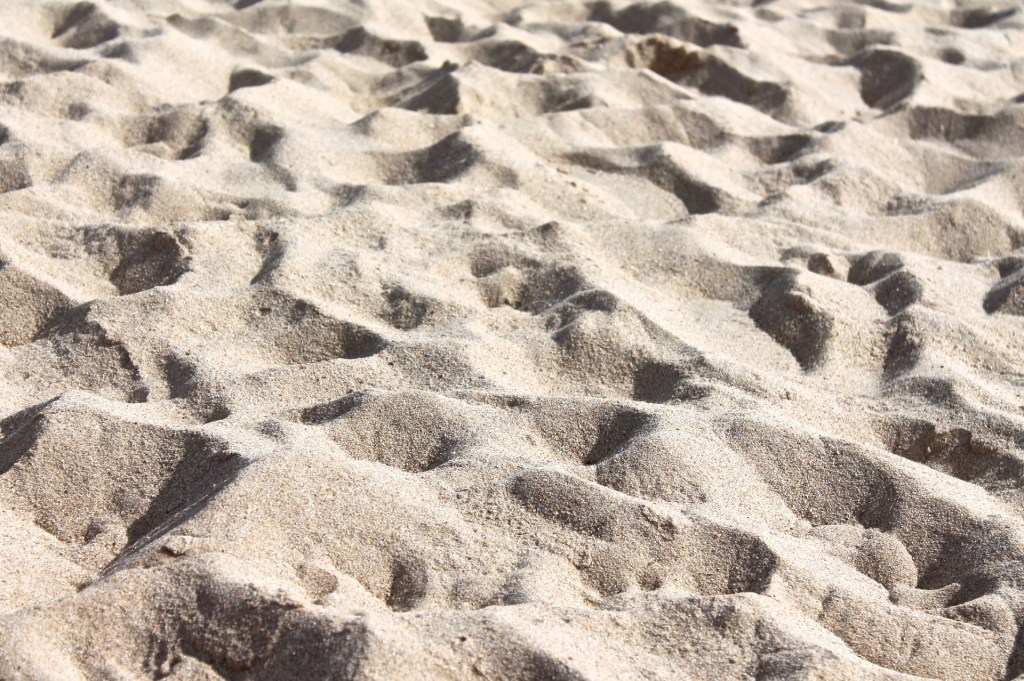
Sand (~ 2): Nutrients and minerals run down through sand quickly, so plants rooted in sand need to have their fertilizer replenished at least twice as often, depending on how much water they require. Water drains through sand quickly, so water must be replenished more often than denser soils. If sandy soil is without water for a long time, the water will bead off the surface and run off without being absorbed. Using a sprayer to gently entice the water into the sandy soil can help reintroduce moisture so that it starts to absorb once again.
➕ Good: Good drainage, lightweight.
➖ Bad: Fast draining, loses nutrients and minerals faster than other soils, prone to erosion.

Silt (~ 4): Fine rock and mineral particles, larger than clay and smaller than sand. Sediment dust is transported and deposited by water, ice, and wind.
➕ Good: Naturally fertile, smoother than sand, and very compatible to mix with other soil types. Retains water better and has higher capacity for holding nutrients (like calcium, magnesium, and potassium) than sand does, less draining and aeration than sand (more similar to loam in this manner). Easier to work with than clay.
➖ Bad: Erosion could be an issue (The solution is mixing in fresh organic compost).
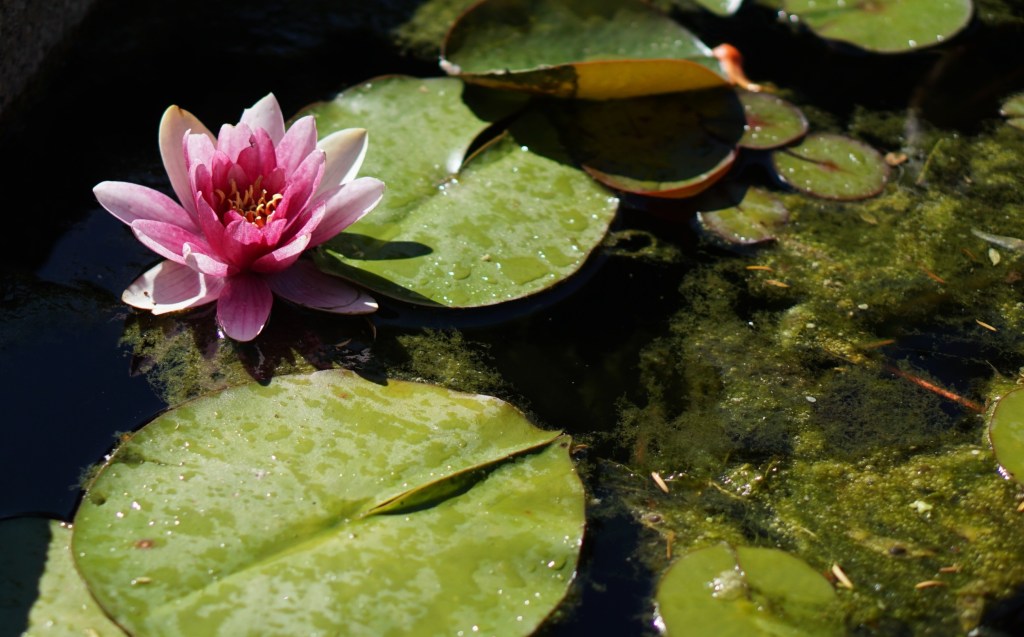
Water (~ 4 ) (for salt-loving plants): – An excellent starter and sustainer, suitable for plant cuttings and is the basis for hydroponics.
Water is like an alien-like phenomenon that acted as a substrate for the first lifeforms on this Earth. Combined with the powerful rays of light, gamma radiation, from the sun, single-celled microorganisms known as microbes were created.
➕ Good: Lack of pests, controllable medium (mostly), can quickly positively affect plants (via nutrient dispersion), water is free (in nature, at least), take your plant cuttings and place them in clean drinking water for them to root! (works with most plants) Some seeds, like avocado seeds, can also be started in water!
➖ Bad: Heavy en masse, Requires constant monitoring, waterborne diseases can occur if not maintained properly and supervised, and waterborne pathogens can quickly negatively affect plants (via disease). Hydroponics are vulnerable to power outages, so solar panels and batteries stored with unused energy are suggested.
Ground Cover
Prevention is the best suppressant method. Landscaping sometimes calls for ground cover to stop erosion. Ground cover may also prevent other plants from growing excessively and taking over customized landscaping planting designs. Weed block combined with either rock/stone or mulch are the most common “weed” suppressants. Competitive and aggressive plants are an excellent way to fill an area with welcomed vegetation that looks beautiful and consistent. Aggressive plants with dense roots act as an excellent living soil stabilizer to prevent erosion. My favorite ground covers are medicinal herbs, such as chickweed and clover, that fill empty areas. In tall tree pots, I plant at least 4 of an herb to make the most of the room, which helps the pot retain water. Planting herbs in large tree containers does cause a little competition for nutrients, ensure to fertilize somewhat more often.
If an aggressive plant variety roots somewhere, then the competition can be so fierce that many of the already existing plants could be so overtaken and suffocated that they die off. Some competitive plants require a host, and typically end up killing the host. There are cases, however, when the relationship is beneficial to both. For example, usually a strangler fig smothers and conquers it’s host. There have been some remarkable cases when trees have been taken over by strangler figs and survived tropical cyclones thanks to the invasive plant protection. Strangler figs use their own foliage for photosynthesis and do not leech nutrients from their host. It is the physical takeover that covers the host’s existing foliage, rendering the host far less capable of taking in sunlight to produce food.
Beware: Plants such as the Mexican Petunia are aggressive and could completely take over areas, do research prior to planting.
Herbs and Edibles (~ 2 to 4): My favorite ground cover. Fill in empty gaps with short ground covers such as edible garden nasturtium, chickweed, strawberry plants, edible purslane, red clover, plantain, thyme, oregano, mint, and edible ginger., most of which are medicinal herbs.
➕ Good: Replaces unwanted weed with desired herbal medicine or culinary flavors.
➖ Bad: Some plants may try to take over other plants, such as edible ginger which spreads by root.
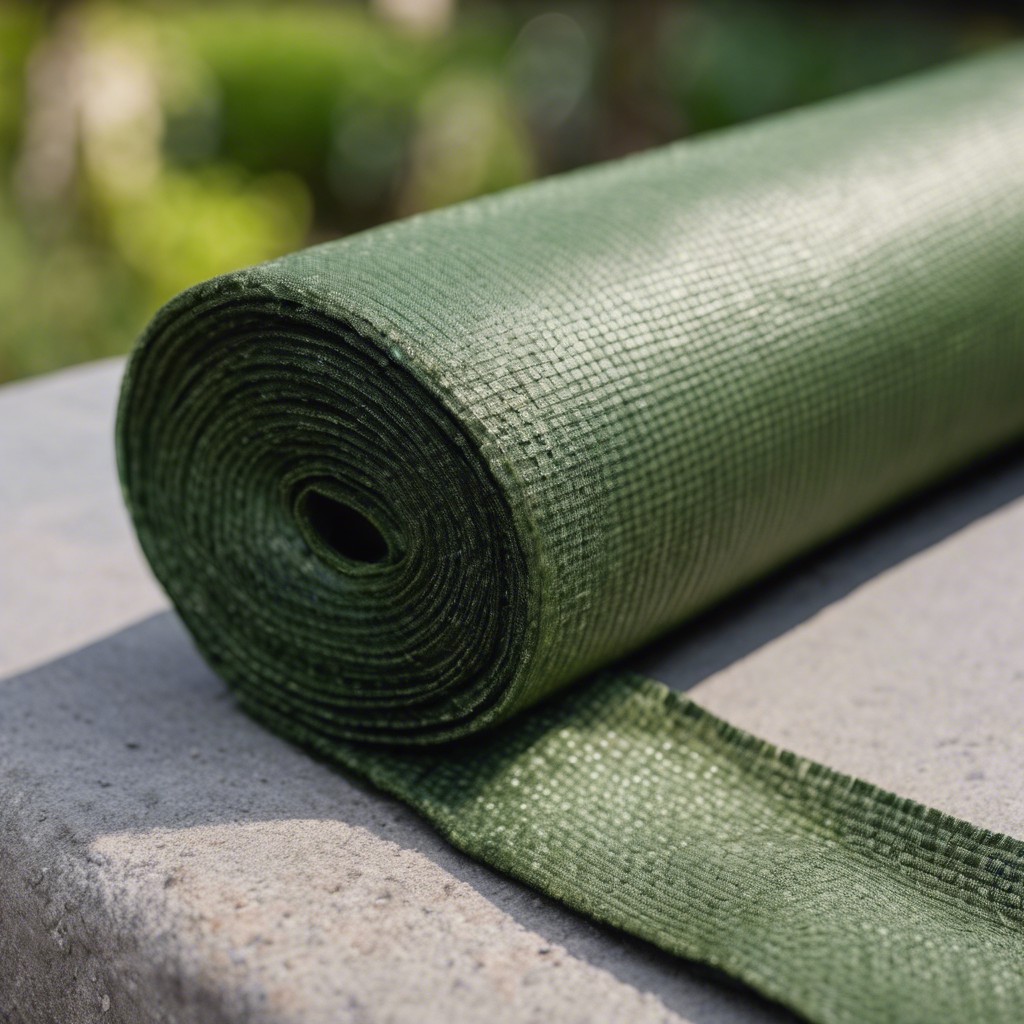
Weed Block (~ 1 to 3): Heavy-duty, tear-resistant material that prevents weeds from growing through and significantly reduces the spread of weeds.
➕ Good: Greatly reduces weed reproduction, helps to make organizing plants easier, easier to slide plastic pots around on.
➖ Bad: Can only be cut once in the same area, holes and tears are hazardous and should be patched, needs replacing over the years in heavily trafficked areas.
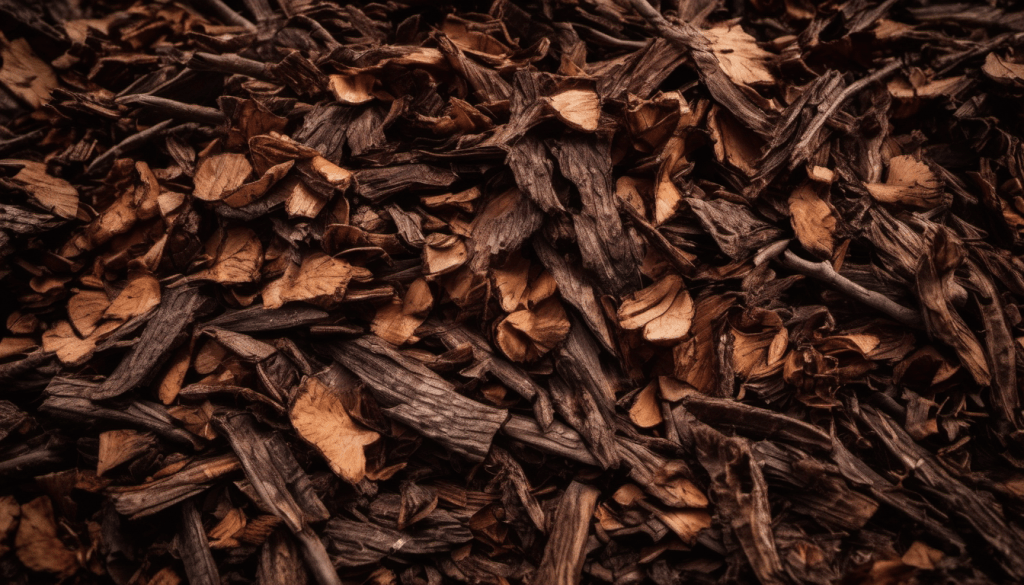
Mulch (~ 2): Leaves, shredded wood, bark, mulch, straw are all examples of mulch. Always know the source of your mulch to assure it is organic and hasn’t been sprayed with pesticides.
➕ Good: Excellent for vegetable gardens (especially squash and strawberries) to prevent produce rot which occurs when making contact with soil, helps retain water and warmth.
➖ Bad: Excessive water retention can lead to rotting mulch and could cause disease in plants. Mulch can also become the home of unwelcome pests (insects, snakes, etc.).

Pine Straw (~ 2 to 3): Dried pine needles from pine trees, better aeration than wood mulch and adds some acidity to soil (excellent for strawberry and blueberry plants). Always know the source of your mulch to assure it is organic and hasn’t been sprayed with pesticides.
➕ Good: Excellent for vegetable gardens (especially squash and strawberries) to prevent produce rot which occurs when making contact with soil, helps retain water and warmth. Adds acidity to soil.
➖ Bad: Breaks down over the years and needs replacing. Mulch can also become the home of unwelcome pests (insects, snakes, etc.).
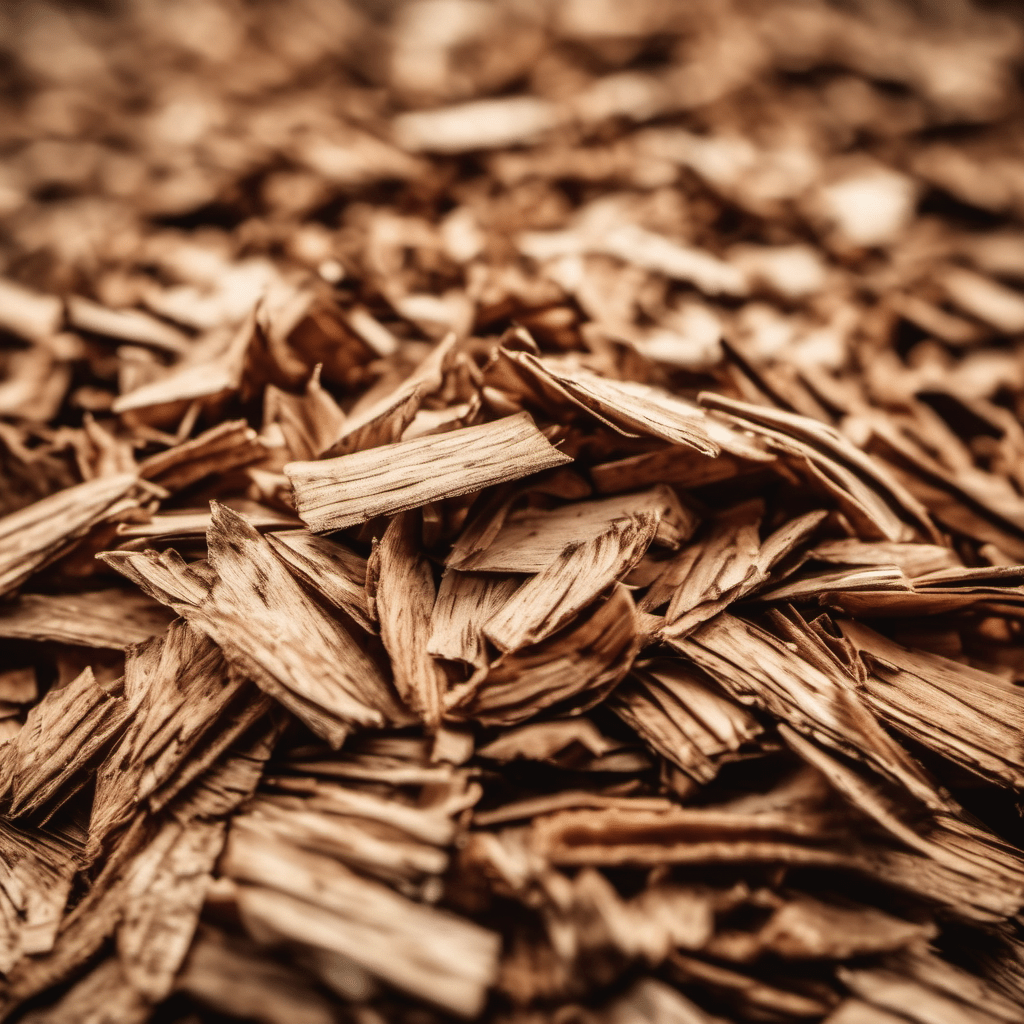
Wood (~ 1 to 4 [depending on plant]): Tree trunks, deadfall trees, hollow logs, and stumps are natural homes to many plants, mushrooms, and wild animals. Ferns, moss, and mushrooms cling to the bark and thrive under canopy protection.
➕ Good: Natural renewable resource, can be used in a variety of ways.
➖ Bad: Decays over time, not all plants can grow on wood, can be the home of various pests and insects.
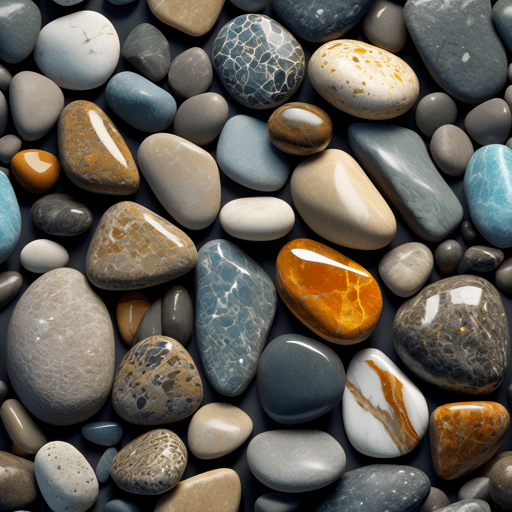
Stone (~ 3): Smooth and rounded, water drains through quickly. Naturally found in riverbeds, there are small pebbles, medium stones, and large stones of many colorful hues. Mixed with rich, loamy soil (and perhaps sand), rock can provide excellent drainage and weigh down pots. Rock may contain nutrients within themselves, though would need to be finely crushed and dispersed through soil or water for a plant to absorb nutrients and minerals through the roots.
➕ Good: Fast draining (good in certain circumstances), stone beds and retaining stone walls help prevent erosion and assist with retaining water, weighs down pots.
➖ Bad: Fast draining (bad in certain circumstances), by itself it doesn’t retain water or nutrients, possibility for weeds to grow on stone in heavily weeded areas (smoother than rock so less likely to happen).
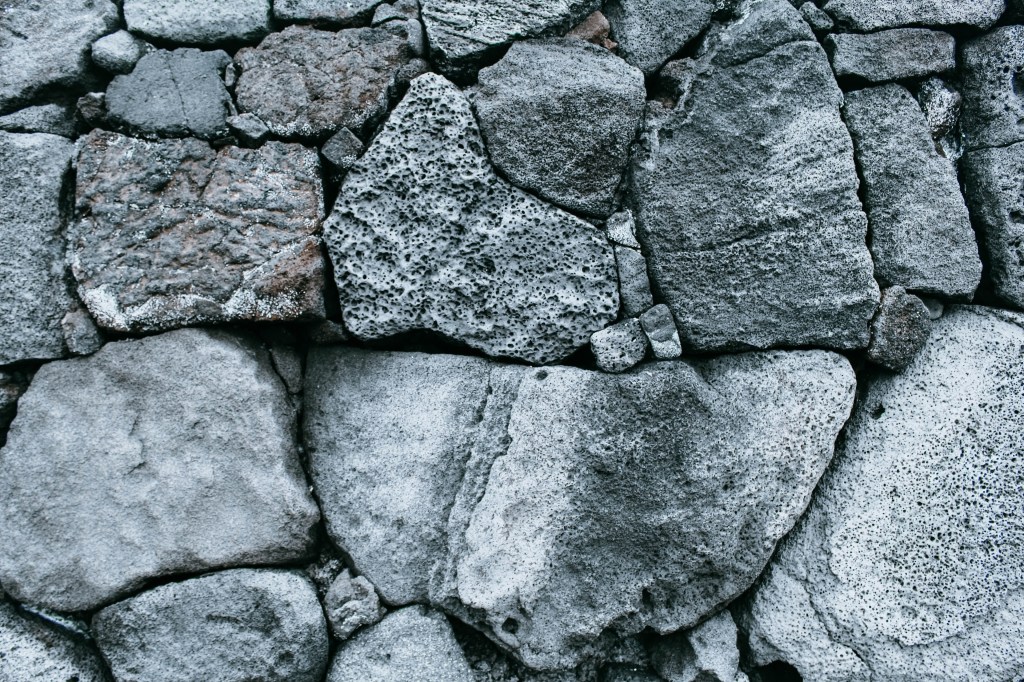
Rock (~ 2): Naturally found on Earth’s surface, there are small, medium, and large sized rocks of many varying beautiful colors. Rough and course in texture, water drains through quickly. Tough plants that have adapted to harsh conditions naturally weave their roots through the tiny gaps between compacted rock along cliffsides and rocky mountain peaks. Mixed with rich, loamy soil (and perhaps sand), rock can provide excellent drainage and weigh down pots. Rock may contain nutrients within themselves, though would need to be finely crushed and dispersed through soil or water for a plant to absorb nutrients and minerals through the roots.

