
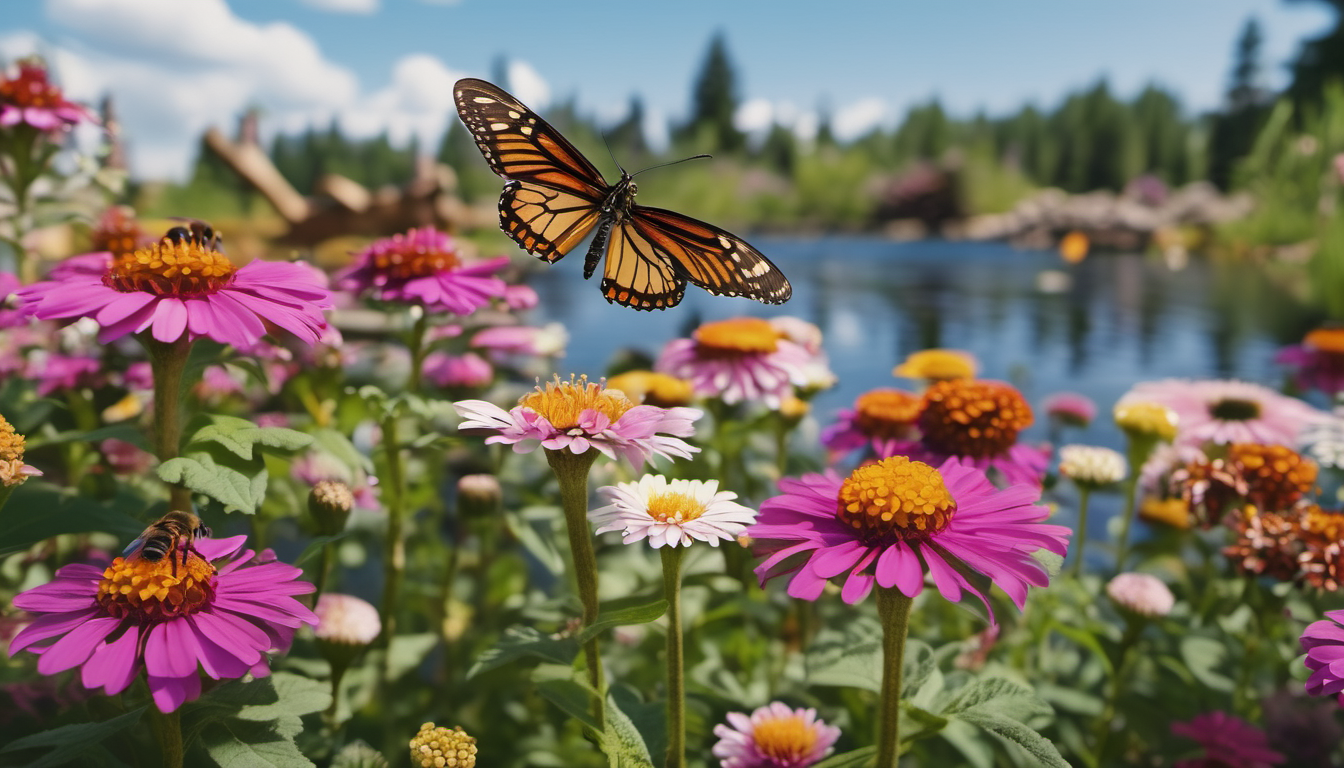
Pollinator Attractors
Pollination
Pollination is the transfer of pollen from the male part of a flower (anther) to the female part (stigma). This process is essential for fertilization and production of seeds and fruit. The pollination and reproduction of many plants on Earth require the work from butterflies, bees, hummingbirds, other birds, and bats. Pollinators support a diverse range of plant life, which is essential for the delicate balance of nature and ecosystem health. Pollinating animals visit flower after flower, collecting nectar or pollen, inadvertently adding pollen from the previous flowers which fertilizes the flower and helps plants reproduce. A world without pollinators would significantly reduce our trees, plants, flowers, food supply, and oxygen supply. When pollinator populations are gone, this world will suffer immensely and deteriorate.
Crop Plants That Require Pollinators
◦ Fruits: Avocado, berries (raspberries, blackberries, blueberries, strawberries), cherries, apple, plum, peach, citrus (lime, yuzu, mandarin, kumquat, orange, lemon)
◦ Vegetables: Beans, kale, broccoli, cauliflower, squash [pumpkin, acorn squash, butternut squash, zucchini, yellow crookneck or straightneck squash), bell pepper, other pepper, cucumber, tomato
◦ Nuts: Pistachios, cashews, pecans, walnuts, macadamia nuts, hazelnuts (filberts), almonds
◦ Seeds: Chia, flax, sunflower, poppy, and sesame
Creating A Pollinator Garden
◦ Plant Types: A variety of flowers with different shapes, colors, and blooming times attract a wide range of pollinators. Caring for plants that bloom at different time of the season provides continuous flowers throughout the year for pollinators. Prioritize native plants as they are often best suited for pollinators. Native wildflowers, herbs, and perennials are excellent kinds of flowering plants.
◦ Water source: Provide a shallow water source for pollinator friends to drink.
◦ Pesticide Avoidance: Chemicals, including neem and diatomaceous earth, may harm beneficial pollinators. Consider alternative ways of pest control prior to application. Avoid harsh pesticides.
Pollinators
Bees
◦ Plant a variety of bee-attracting flowers in different bloom times to provide a continuous food source throughout the season. Bees are attracted to flower color (white, blue, purple, orange, and yellow), short and tubular flowers, flower fragrance, and both pollen and nectar content of flowers.
◦ Plant single-flowered varieties over double-flowered ones, as bees can more easily access the nectar and pollen.
◦ Avoid using pesticides, including neem, in the garden, as they may harm bee populations.
Bee Attracting Plants
| Soap Aloe (Aloe maculata) |
| 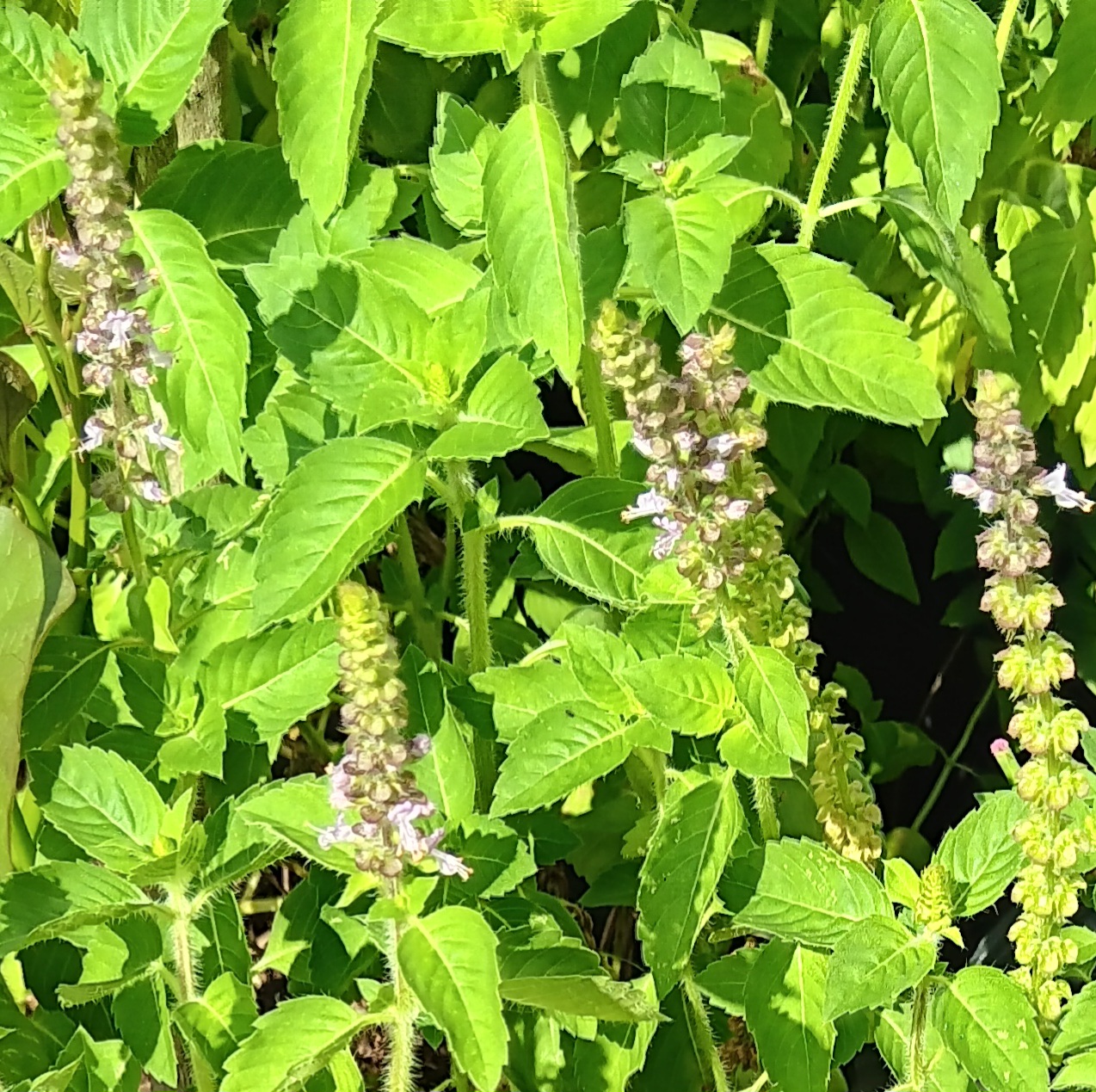 |
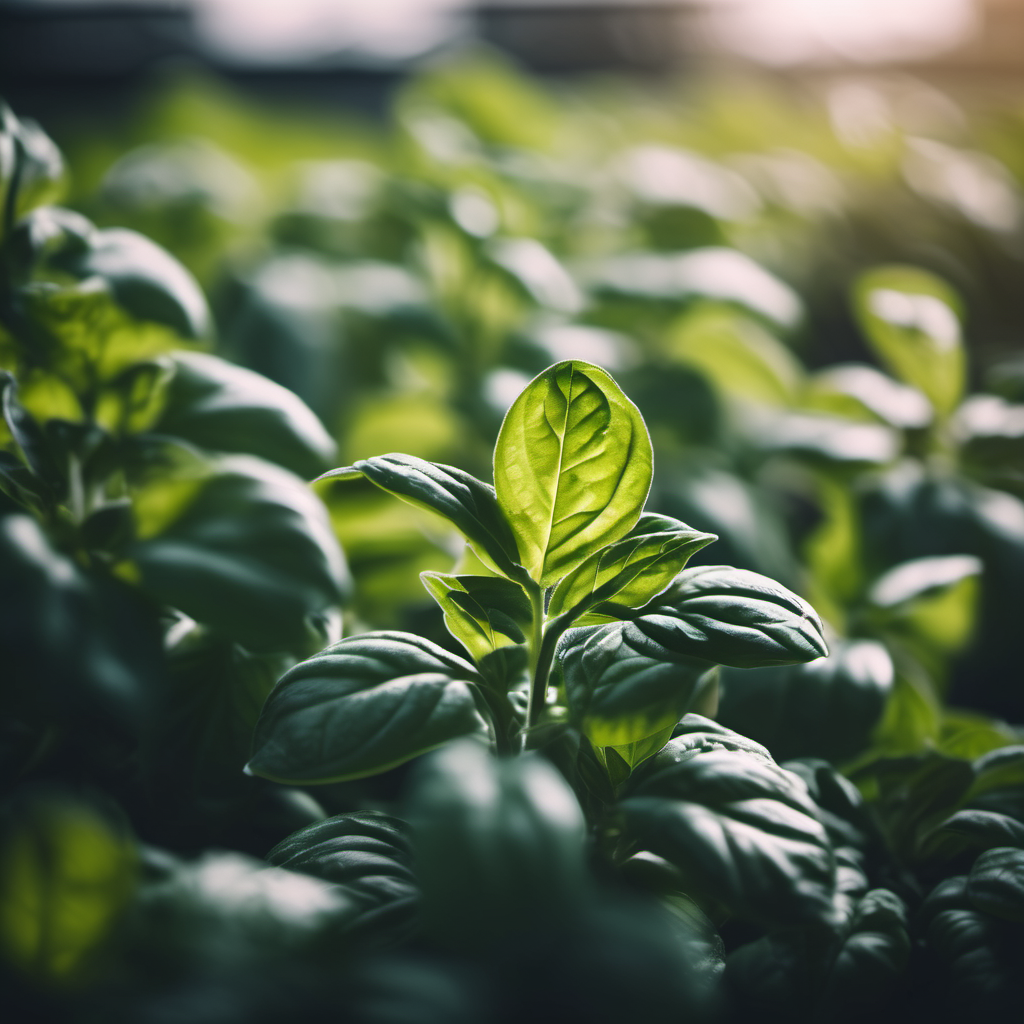 Sweet Basil (Ocimum basilicum sp.) | Thai Basil (Sweet Thai Basil, Ocimum basilicum sp.) | Bee Balm (Monarda) |
| Butterfly Bush (Buddleia) | Chia (Salvia hispanica L.) | 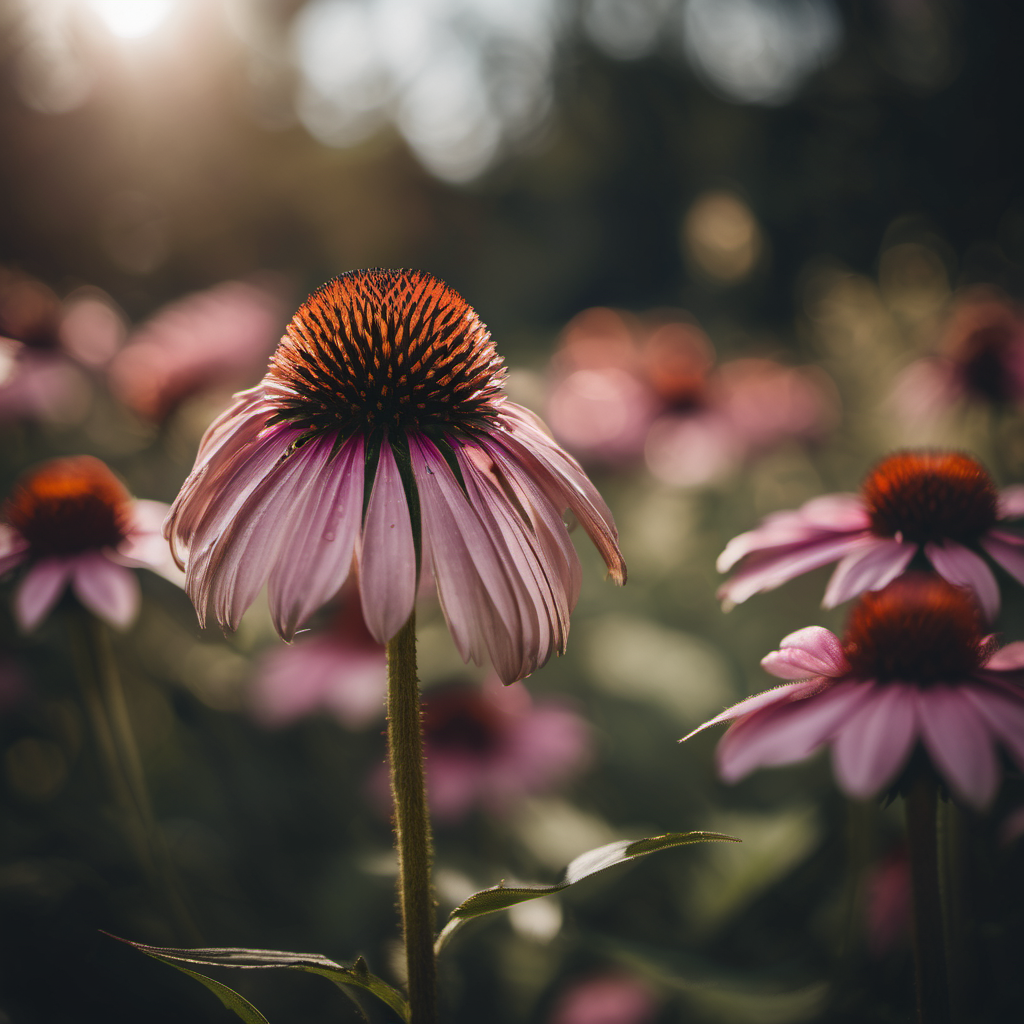 Echinacea (Purple Coneflower, Echinacea purpurea) |
| Honeysuckle (Lonicera) | Lantana | 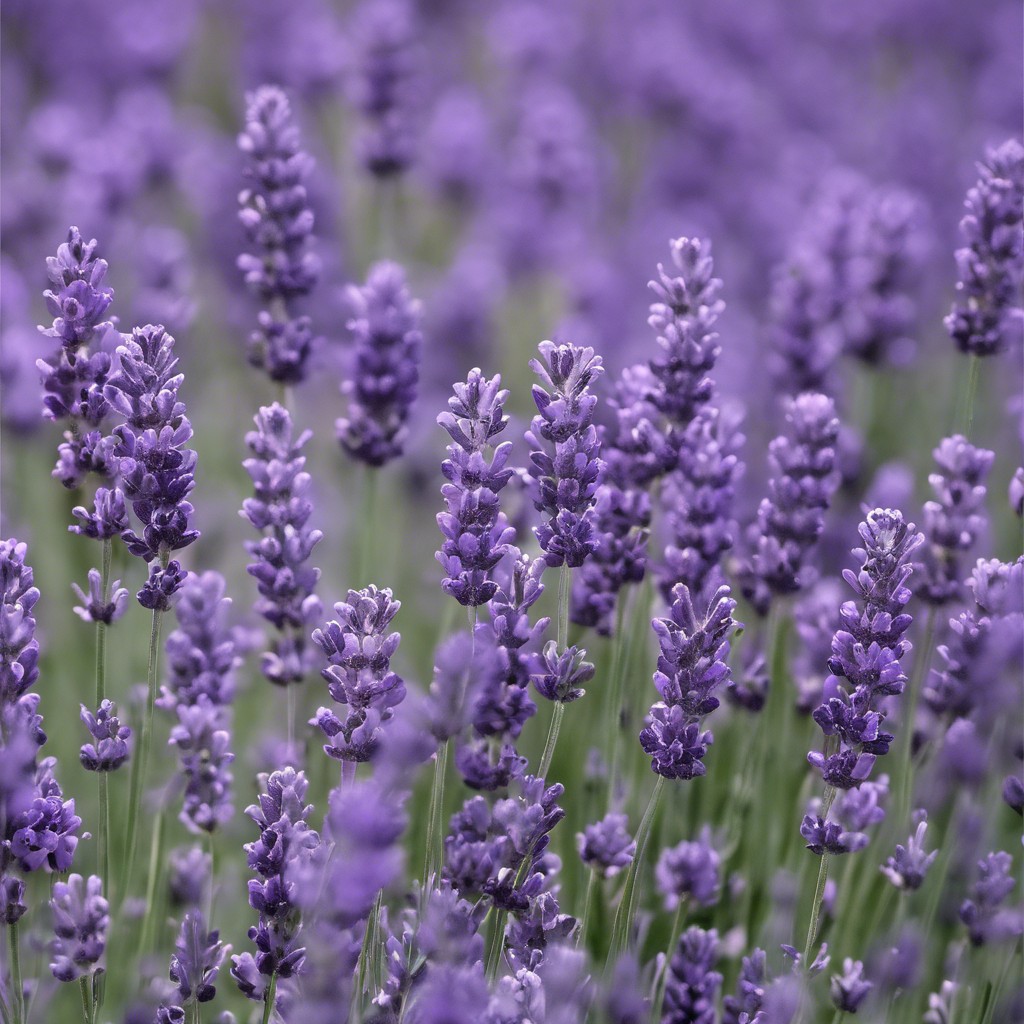 Lavender (Lavandula angustifolia) |
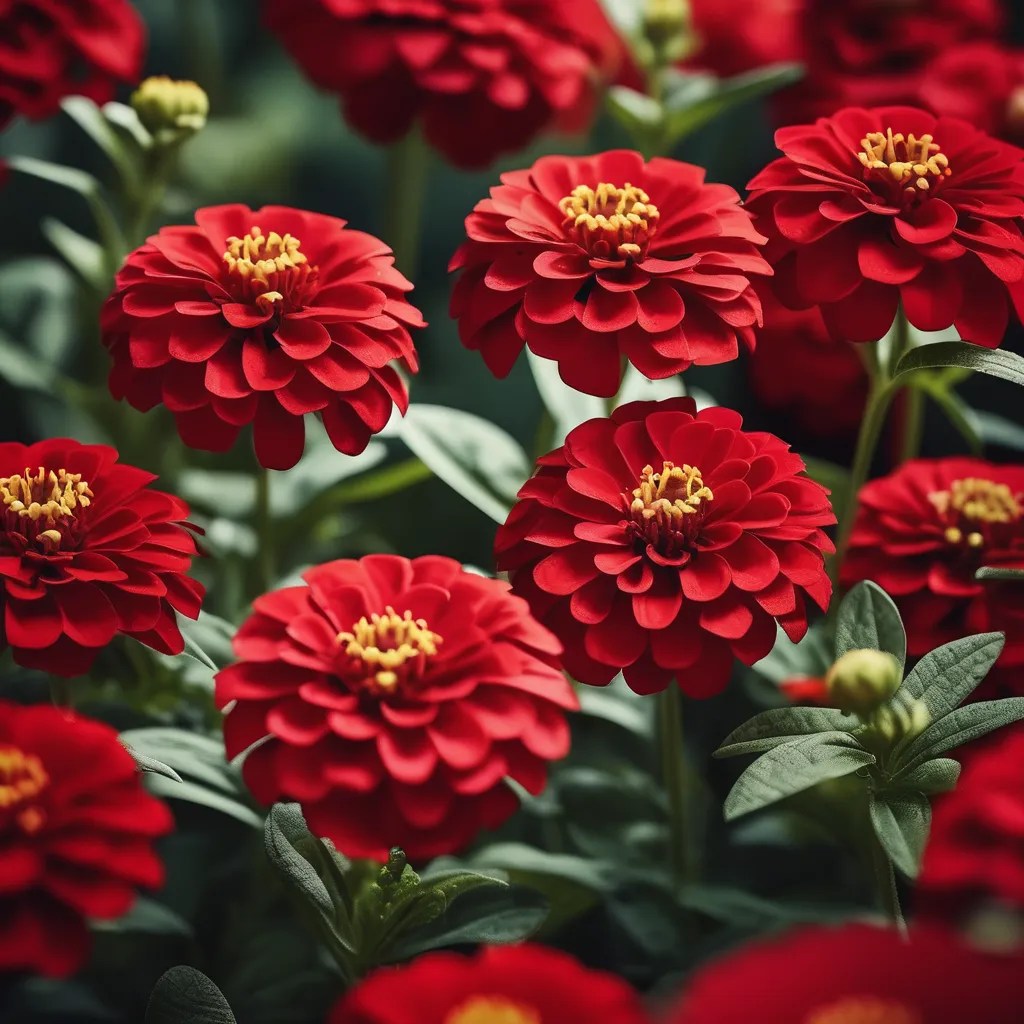
| 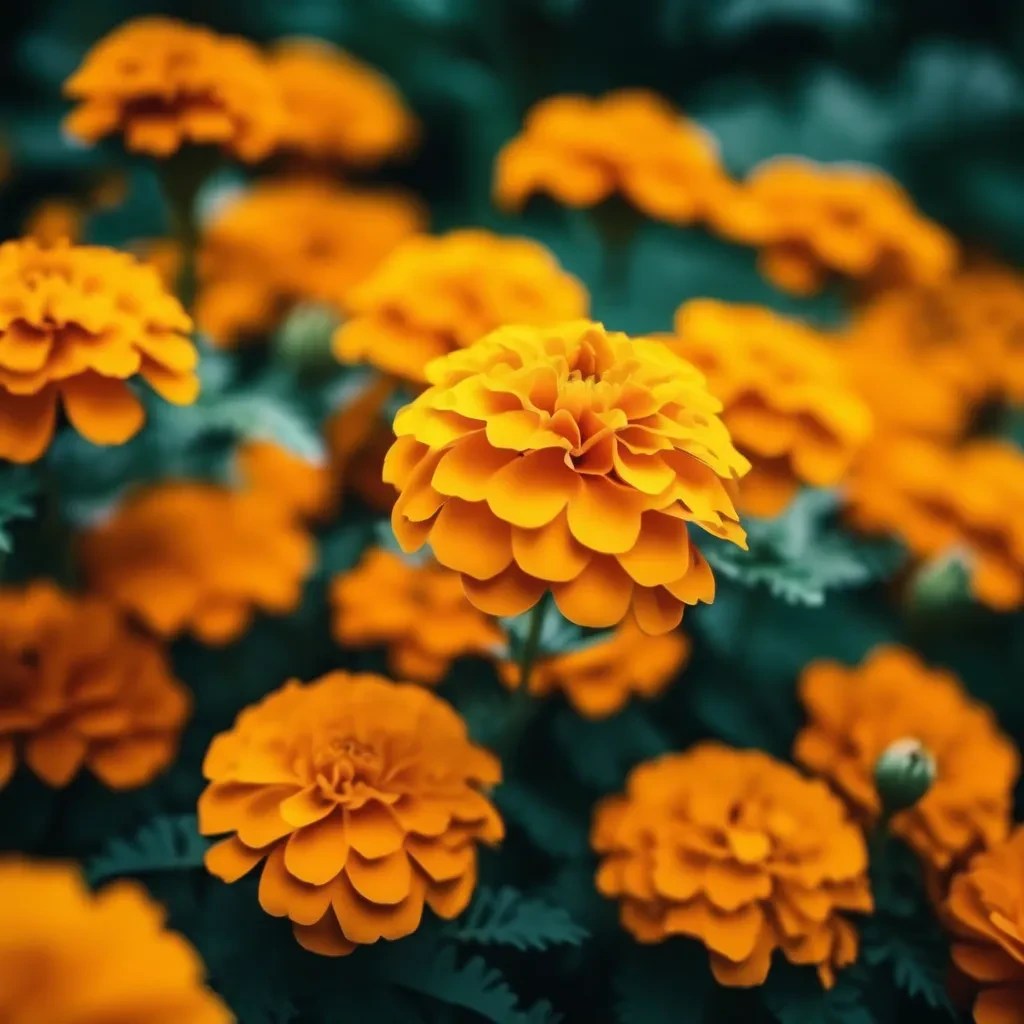 Marigold (Tagetes) | 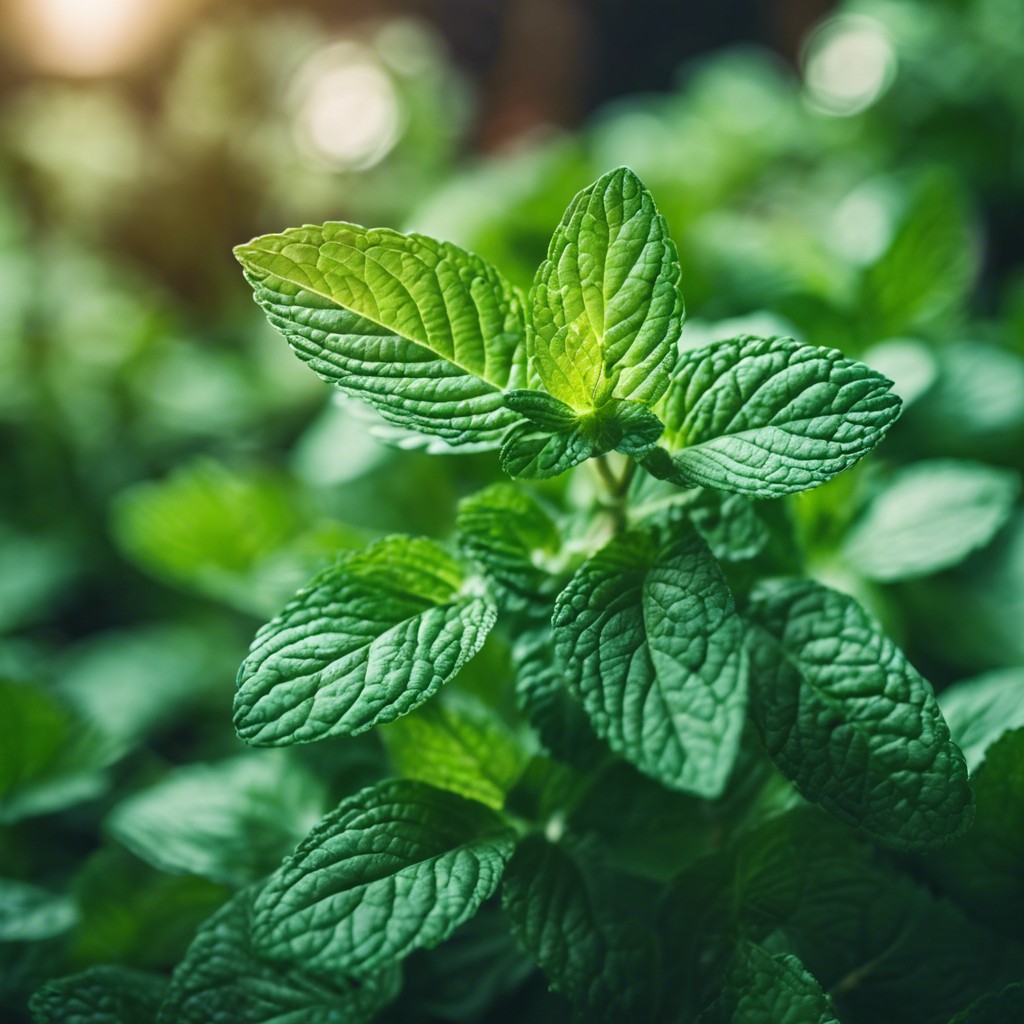 Mint (Peppermint, Mentha piperita) |
| Poppy (Papaver) | 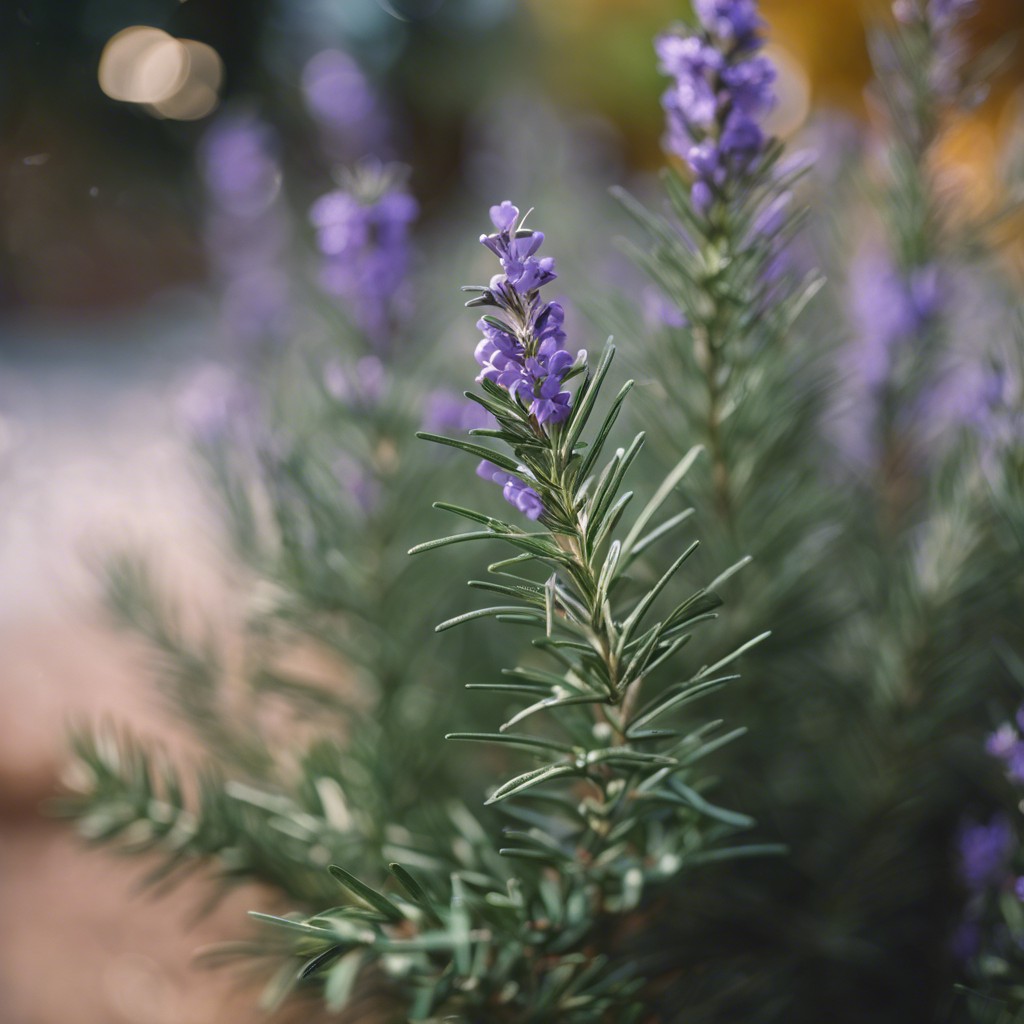 Rosemary (Rosmarinus officinalis) | 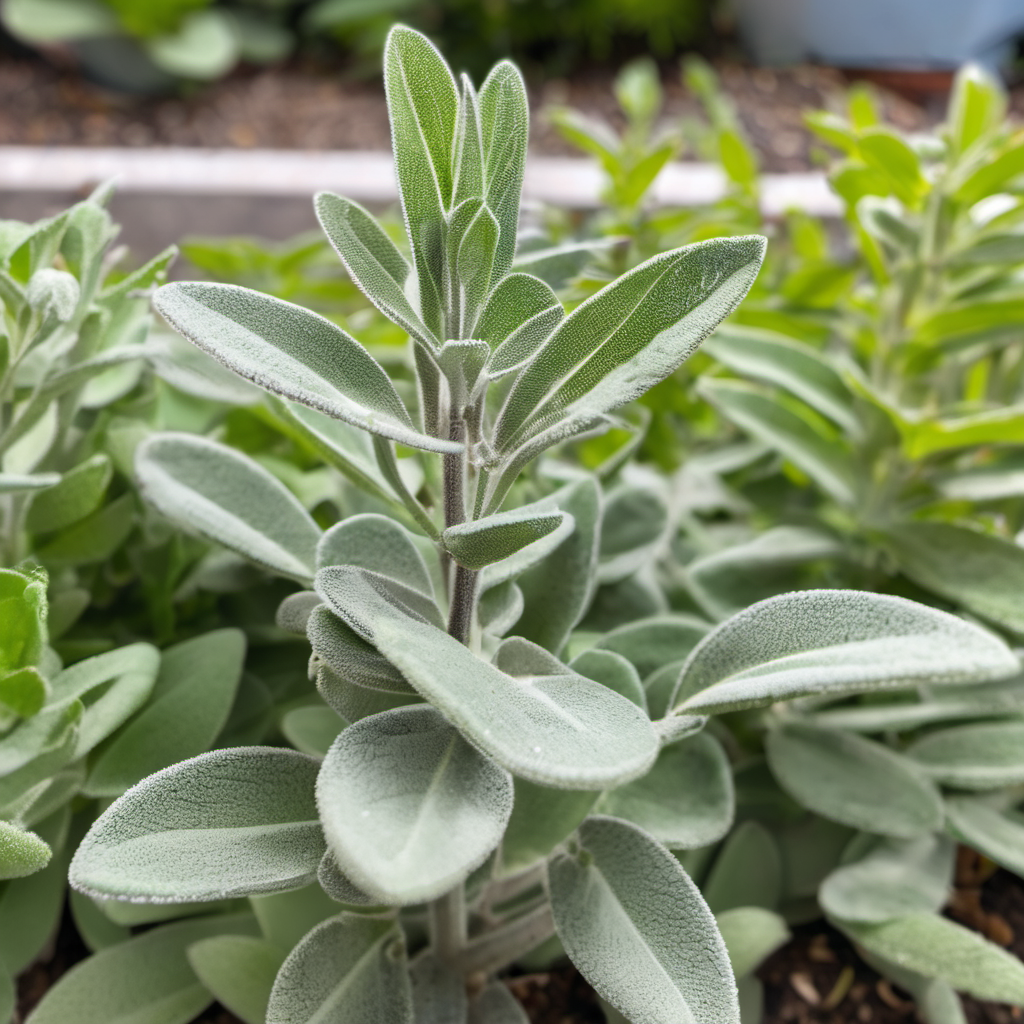 Sage (Salvia officinalis) |
| Salvia | Sunflower (Helianthus) | 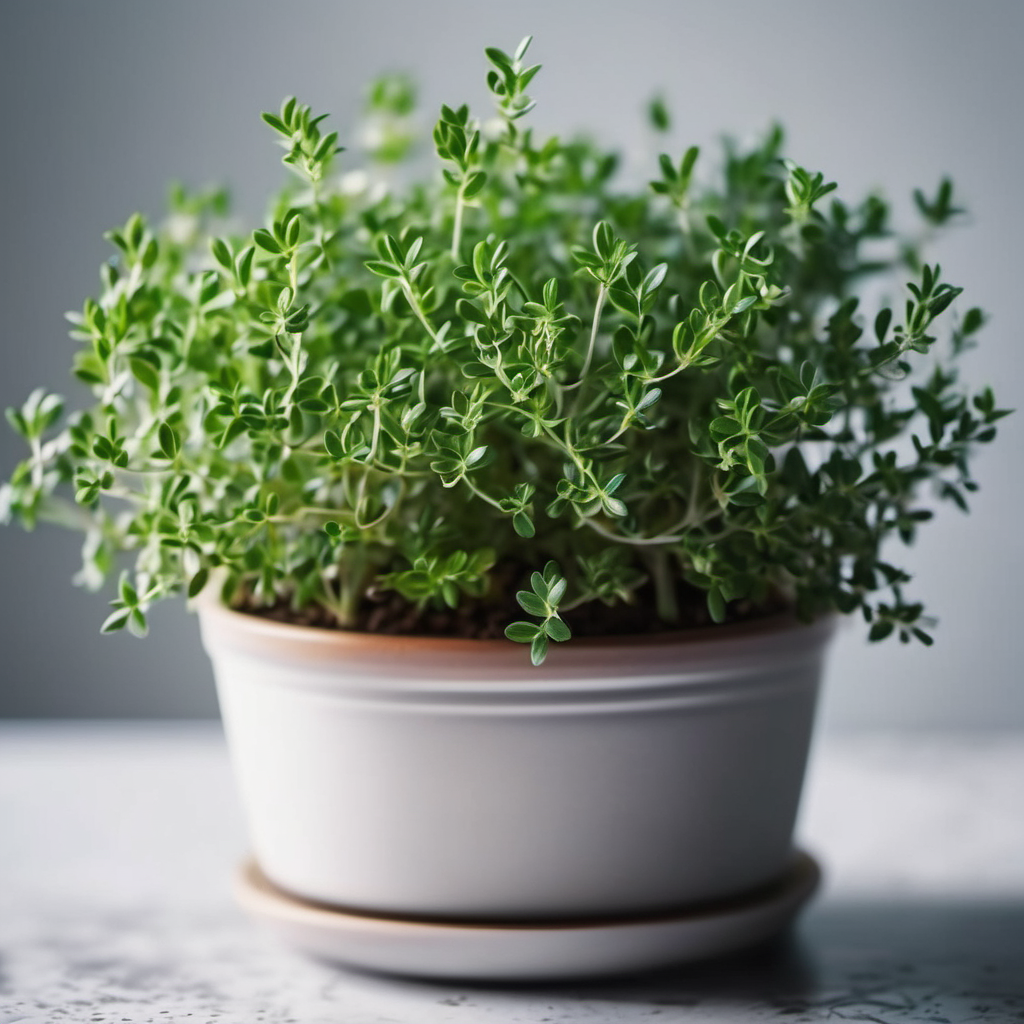 Thyme (Thymus vulgaris) |
Zinnia |
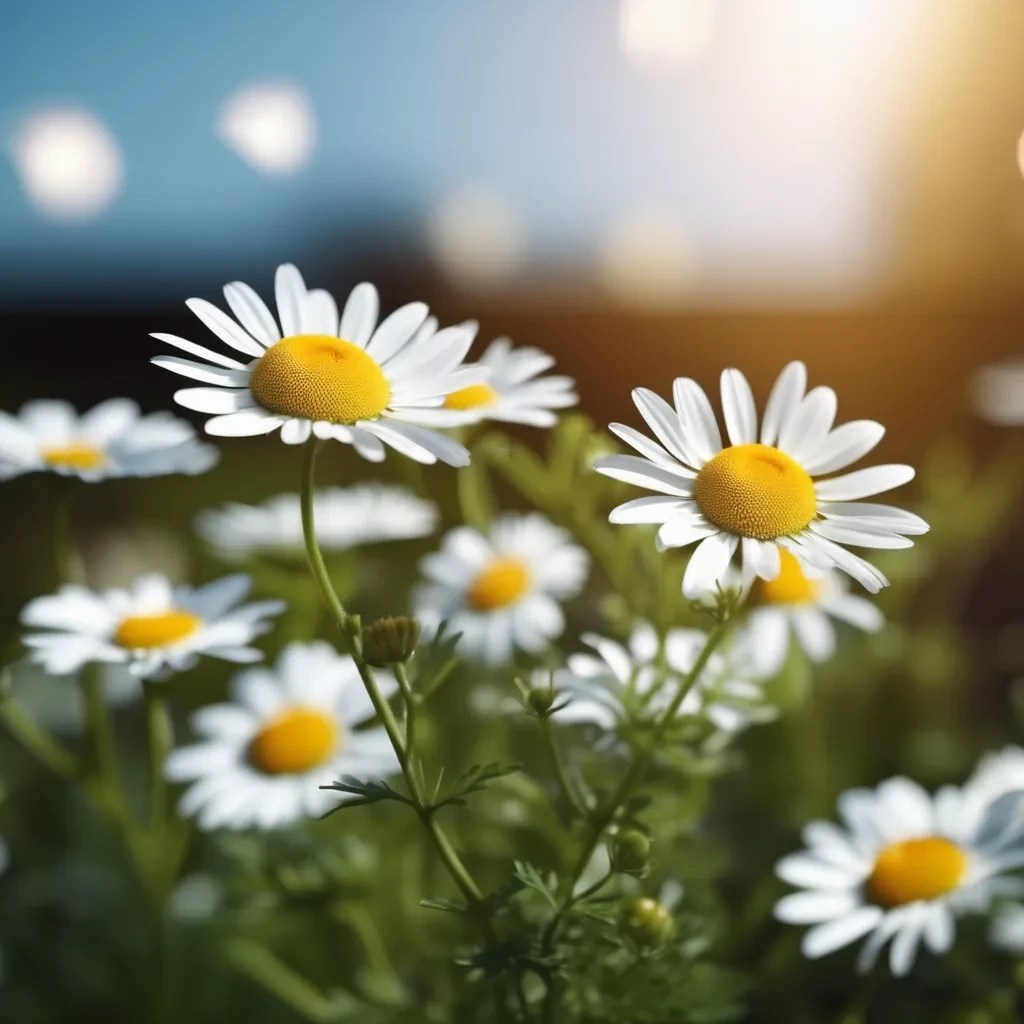
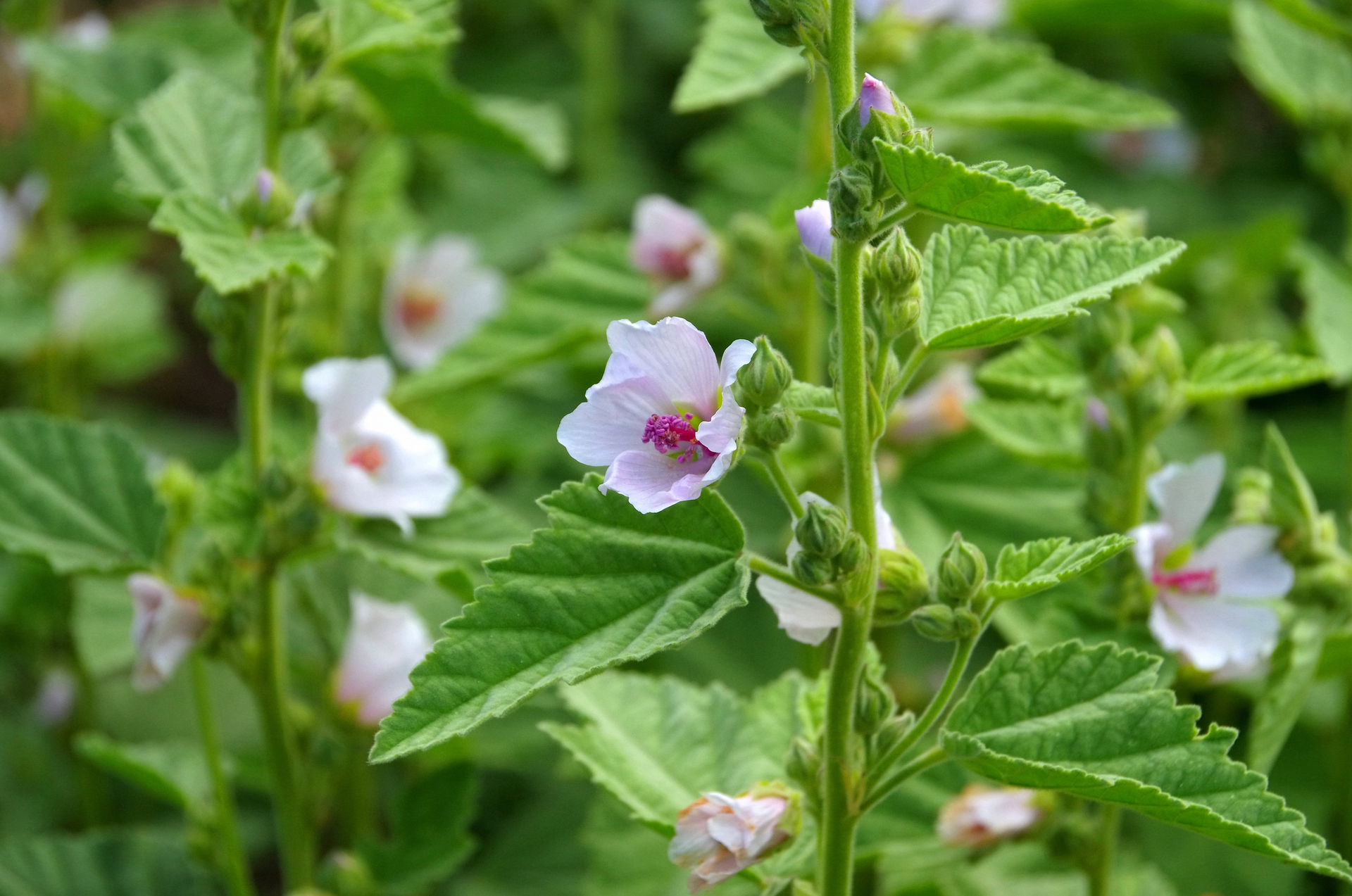
❗WITHOUT BEES, MANY OF OUR PLANTS WILL DIE.
💡Did you know Neem Oil, an organic pesticide, is toxic to honey bees? 🐝
Sadly, pesticides, habitat loss, and global warming is quickly lessening our bees of the Earth. I have personally witnessed many bees dead and dying on the roads of California while backpacking, and it was next to a field that had probably been sprayed with toxic pesticides.
Help the bees repopulate and survive by leaving wild hives alone in their natural habitat, creating and maintaining new bee colonies as a beekeeper, planting gardens with specific pollinator-attracting flowers and trees. Some plants, such as lavender, primarily rely on bees for pollination, as the physical structure and stigma receptivity of their flowers and the timing of pollen release often prevent self-pollination. That’s why insect pollinators play a crucial role in transferring pollen between different plants, promoting successful seed production.
Birds
◦ Dense tree canopies and shrubs provide protection from predators and shelter birds from environmental conditions such as intense heat, rain etc..
◦ Add nest boxes and bird houses to provide a safe home for birds to raise their babies. Keep out of reach from predatory mammals, especially house cats and raccoons.
◦ Provide a shallow birdbath with clean water for the hummingbirds to drink and bathe in. Keep the water fresh by refilling it a few times each week.
Bird Attracting Plants
| Beautyberry (Callicarpa) | Bee Balm (Monarda) | Blackberry Bush (Rubus subg. Rubus) |
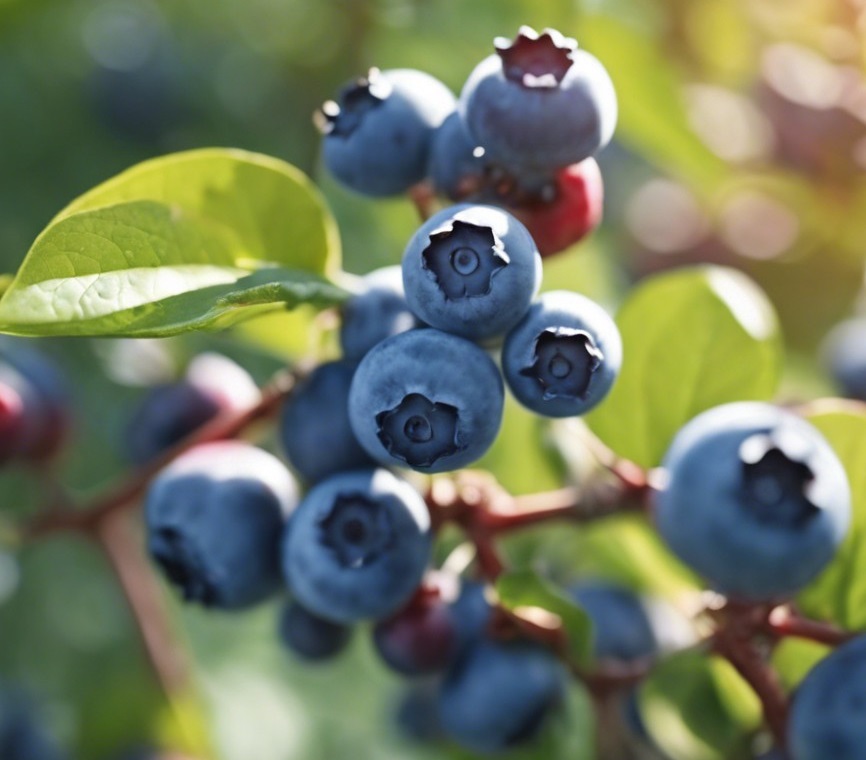 Blueberry Bush (Vaccinium) | Cherry (Prunus) | Crabapple Tree (Malus sylvestris, Malus angustifolia) |
| Currant (Ribes) | Dogwood (Cornus) | Echinacea (Purple Coneflower, Echinacea purpurea) |
| Elderberry (Sambucus) | Grape Vine (Vitis vinifera) | Hawthorn (Crataegus) |
| Holly (Ilex) | Juniper (Juniperus) | Lantana |
| Millet (Pennisetum glaucum) | Milkweed (Asclepias; Plant required for monarch butterfly survival, specific birds eat monarch butterflies.) | Oak (Quercus) |
| Peach and Nectarine (Prunus persica var.) | Pomegranate Tree (Punica granatum) | Raspberry Bush (Rubus idaeus) |
 Rose (Rosa) | Viburnum | Wax Myrtle (Myrica cerifera) |
Butterflies
◦ Plant a variety of butterfly-attracting flowers in different bloom times to provide a continuous food source throughout the season. Butterflies are attracted to flower color (red, pink, orange, and yellow), flower fragrance, short and tubular flowers, and flat umbels of blooming flowers.
◦ Plant single-flowered varieties over double-flowered ones, as bees can more easily access the nectar and pollen.
◦ Avoid using pesticides, including neem, in the garden, as they may harm butterfly populations.
Butterfly Attracting Plants
| Holy Basil (Tulsi, Ocimum tenuiflorum) |
|
| Thai Basil (Sweet Thai Basil, Ocimum basilicum sp.) | Bee Balm (Monarda) | Butterfly Bush (Buddleia) |
Echinacea (Purple Coneflower, Echinacea purpurea) | Honeysuckle (Lonicera) | Lantana |
Lavender (Lavandula angustifolia) | Marigold (Tagetes) | Milkweed (Asclepias) |
Mint (Peppermint, Mentha piperita) | Poppy (Papaver) | Rosemary (Rosmarinus officinalis) |
Sage (Salvia officinalis) | Salvia | Sunflower (Helianthus) |
Thyme (Thymus vulgaris) | Zinnia |
Hummingbirds
◦ Position plants in sunny locations, as hummingbirds prefer warm and sunny areas.
◦ Plant a variety of hummingbird-attracting flowers in different bloom times to provide a continuous food source throughout the season. Hummingbirds are especially attracted to the color red.
◦ Provide a shallow birdbath with clean water for the hummingbirds to drink and bathe in. Keep the water fresh by refilling it a few times each week.
Hummingbird Attracting Plants
| Soap Aloe (Aloe maculata) |
| Sweet Basil (Ocimum basilicum sp.) |
| Thai Basil (Sweet Thai Basil, Ocimum basilicum sp.) | Bee Balm (Monarda) | Butterfly Bush (Buddleia) |
| Chia (Salvia hispanica L.) | Echinacea (Purple Coneflower, Echinacea purpurea) | Honeysuckle (Lonicera) |
| Lantana | Lavender (Lavandula angustifolia) | Petunia |
Sage (Salvia officinalis) | Salvia | Thyme (Thymus vulgaris) |
 Vegan Botany