
This is for informational purposes only. For medical advice or diagnosis, consult a professional.
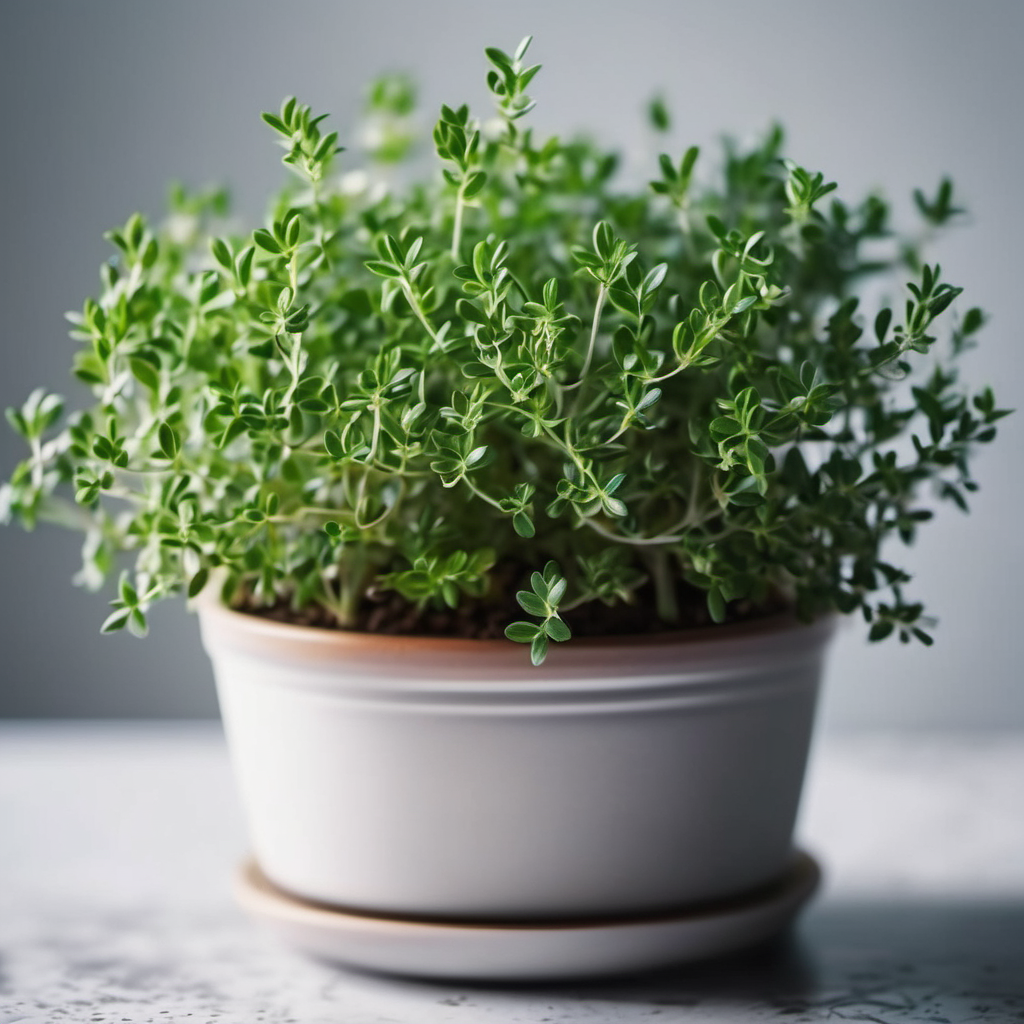
▷ IDENTIFICATION🔍
Common Name: Thyme
Botanical Name: Thymus vulgaris
Family: Mint family (Lamiaceae)
Drought-tolerant, herbaceous, evergreen perennial shrub for Zones 5 to 9
PRECAUTION: People having allergies is uncommon. May interact with several medications such (IF APPLICABLE) Not appropriate for all, consider consulting a doctor first.
▷ OTHER NAMES & LOOKALIKES 🏷️
Other Names 🏷️
The plant’s name “thyme” comes from the Greek words “thumos“, meaning “courage” or “perfume”, and the Latin word “vulgaris“, meaning “common” or “widespread”.
◦ Common Thyme
◦ English Thyme
◦ Garden Thyme
Lookalikes 🔎
◦ Lemon Thyme (Thymus citriodorus): Has a sweet citrus aroma and taste, but shares the minty, earthy, and floral notes of regular thyme.
◦ Orange Peel thyme (Thymus nitidus): A low growing edible thyme that smells like a mix of thyme and spices.
◦ Broad-Leaved Thyme (Thymus pulegioides): A dwarf shrub that can grow up to 9½” high with intensely aromatic leaves.
◦ Argentus (Thymus vulgaris ‘Argenteus’): A cultivator of common thyme that has green and yellow patterned leaves and grows upright from 8″ to 12″ high.
◦ Breckland Thyme (Thymus serpyllum): Also known as creeping thyme, elfin thyme, and wild thyme, it is native to most of Europe, including the UK.
▷ APPEARANCE 🪞
Plant Description🌿🗒️
Delicate, woody shrub with dense, fragrant foliage. Excellent as a short groundcover for attracting pollinators. The highly aromatic leaves covered in fine hairs which cause a green to green-silver hue, and measure ¼” to ½” length and 0.5mm to 2.5 mm width. Small, linear leaves are slightly curled at the edges and are opposite in arrangement on woody stems. Flowers are small, two-lipped, white, light pink, or light purple, occurring along a spike-like inflorescence appearing at the tips of the plant’s woody stems.
Dimensions, Root Depth, and Spacing 📏↔️
Height: 6″ to 12″
Width: 6″ to 16″
Root Depth: Shallow roots are 6″ deep and 12″ wide; Ideal minimum container size 7 gallon or 8 gallons. Larger containers allow plants to grow taller and wider!
Spacing: 8″ to 12″ apart
Flower Season and Fruit or Seed 🌻🍎🫘
Flower: Flowers are small white, light pink, or light purple, occurring along an inflorescence from Spring to Early Summer.
Seed: Very tiny, black to red-brown in hue. Edible and may be used for culinary.
▷ REPRODUCTION🌱
Sexuality: Hermaphrodite
Pollination: Bees, butterflies, moths, and other beneficial insects.
Growth Rate: Moderate
Propagation:
◦ Layering: Select a thick stem that is long enough to lay in nearby container of soil. Remove leaves from the middle section of the stem, this part of the stem will be planted carefully and directly into the soil while still attached to the plant. Water as is necessary to keep soil consistently moist, especially during the Summer. Roots should form on the buried stem in a month, and may thereafter be cut and replanted into individual pots.
◦ Roots: Carefully dig up plant. Select healthy stems that are connected to roots, divide them in to separate plants, and cut off dead leaves and stems. Make sure there are a few roots for at least 1 stem. If there is excessive foliage, trim back the foliage to have 4″ stems from the root system.
◦ Cuttings: Plant hardwood or softwood cuttings that are ⅜” to ½” diameter (the wider the stem, the higher percentage of success) and 4″ to 6″ tall. Add cuttings to water and change the water every day for 1 month until roots form, later planting in soil in a container, or propagate by planting in soil during the Spring. Protect the new plant by placing it in partial sun or under a grow light until it has matured, avoiding direct sun.
Seed Germination: Soil pH 6.5 to 7.0 at preferably 60°F to 70°F, kept moist, however not wet or dry. Plant seed ⅛” to ¼” deep, emerges 14 days to 28 days after being sown. Germination rate of 80% (depending on producer).
Indoor Planting: Grow plant for 1 year prior to transplanting outside 10 weeks after last frost date.
Outdoor Planting: Plant seed 10 weeks prior to last frost date.
▷ REQUIREMENTS❤️
Sunlight, Water, Fertilizer, and Pruning ☀️💧✂️
Sunlight: Prefers 6 to 8 hours of full sun
Note: Avoid aerial watering, which encourages fungal growth and disease.
Outdoor Watering: Water regularly during Summer (every 4 to 10 days) and less frequently in the Winter (every 1 to 2 weeks). Tiny pots and K-cup seed starters need water every day during Summer and every 2 days during Winter. Small pots require watering more often, especially if exposed to full sun, while large pots and shaded pots need less water.
Indoor Watering: Deep and infrequent, allowing for soil to dry out prior to more water.
Drought Resistance: Drought resistant once established.
Fertilizer: At the start of the growing season, apply fertilizer every 4 weeks to 6 weeks. Scatter evenly at the base of plants, avoiding clumps of fertilizer and preventing contact with stalks and stems. Large clumps of fertilizer won’t evenly supplement nutrients into the entire soil surface after it mixes with water from rain or irrigation. Fertilizer clumps around the base of plants make cause the main stalk to rot or have contact burns, which could damage or kill the plant. Do not throw fertilizer over plant tops, as the clumps of fertilizer caught in between leaf nodes and on foliage may either burn or rot the foliage.
Pruning: Avoid pruning during Winter as it may kill the plant. This same rule applies for the Fall in northern climates. Remove withered flowers, dead leaves, and leggy stems to enhance plant’s appearance. This also promotes new stems to appear with more leaves and flowers.
Soil, Planting, and Environment 🌄🏞️🏜️
Soil : Prefers well-drained, dry to medium, loose, sandy, or rocky soils. Dislikes wet, rich, or compacted soil
pH: 6.5 to 7.0
Planting: When planting a potted plant, dig a hole that’s as deep as the pot and as wide as the root base. For plants with wide roots, dig a hole that is twice the width of the pot and gently space out the root system and then cover with soil to promote healthy growth. Burying tangled roots could cause health issues or stunted growth. The soil should be gently pressed in or watered in to fill the air pockets, preventing soil from collapsing in when watering or raining. Unplanted roots add to the stress of plants and could cause health problems or diseases. Cover every root with soil and smooth the soil’s surface.
Habitat: Native to dry slopes, rocks, and maquis in the Mediterranean basin, specifically in central and southern Europe, the Balkans, and the Caucasus.
Temperature Preference and Temperature Tolerance🌡️
Temperature: Prefers 65°F to 85°F
Heat Tolerance: 85°F; Above 85°F may slow growth and harm health. Drought tolerant once established
Cold Tolerance: Mature plants tolerate to 5°F; Young plants need protection during their first few Winters. Mulch roots to retain water and to protect the root system from the cold during Winter. Keep dead leaves on the plant as a shield to protect the plant from cold, then cut back in the Spring to promote new foliage growth.
Salt, Wind, and Pollution Tolerance 🧂💨 ☣️
Salt Tolerance: Low tolerance
Wind Tolerance: Moderate tolerance
Pollution Tolerance: High tolerance
▷ ADDITIONAL INFORMATION📚
Description 📝
Thyme is a small, woody, evergreen shrub that is native to southeastern Italy and Southwestern Europe. It is commonly grown as a culinary herb in gardens.
Attract and Repel Wildlife🐝🦋🐦🐌🪰🐇🦌
Deer and Rodent Resistant🦌🐇🐁
Attracts: Bees, butterflies, and other beneficial pollinators.
Repels: Mosquitoes, earworms, maggots, hornworms, and whiteflies
Diseases and Pests🐜🦠
Note: Proper care keeps plants resilient and healthy, preventing diseases and pests. This list details the potential threats, specific diseases and pests vary depending on environmental climate.
Diseases:
◦ Botrytis Rot:
◦ Powdery Mildew: Disease caused by a fungus due to overwatering or overcrowding, making the plant vulnerable to other pests.
◦ Root Rot: Affects the roots of plants growing in wet or damp soil, may be lethal to both indoor and outdoor plants.
Pests:
◦ Aphids: Small, soft-bodied sucking insects which pierce plant tissues and draw out the juices.
◦ Mealybugs: Mealybugs feed on the juices from leaves and stems of plants, damaging a wide variety of host plants.
◦ Thrips: May spread plant viruses called tospoviruses, which cause diseases such as tomato spotted wilt, impatiens necrotic spot, and iris yellow spot virus. Thrips suck the sap from leaves, flowers, and buds, resulting in discolored, distorted, or stunted growth.
◦ Scale: Parasite that infest a plant’s leaves and stems and suck sap from plants through their mouth parts. Heavy infestations cause yellowing or wilting of leaves, stunting or unthrifty appearance of the plants, and eventually death of all or part of the plant.
◦ Spider Mites: They feed by bruising plant cells with their small, whiplike mouthparts and ingesting the sap. Spider mites produce a fine silk webbing, often found at leaf nodes or the undersides of leaves, which may kill plants or cause serious stress.
Animal Toxicity and Medicine Interactions ☠️❤️🩹
Thyme has very low, safe levels of thujone. Thujone is a chemical compound found in specific herbs and is toxic in high amounts. Pregnant, breastfeeding mothers, and young children should avoid consuming thujone. Consuming excessive thujone may cause nausea, vomiting, abdominal cramps, dizziness, seizures, damage to the liver and nervous system, coma, or death. Thujone toxicity is higher with concentrated forms like teas, extracts, and oils. Thujone consumed from common culinary use of these herbs now and then is considered safe for consumption.
High Thujone Content: Wormwood (do not eat) and Mugwort
Moderate Thujone Content: Holy Basil, Sage, and Yarrow
Low Thujone Content: Thai Basil Sweet Basil, Thyme, and Oregano
Animal Toxicity: Safe for dogs, cats, and horses.
ASPCA Website – Toxic and Non-Toxic Plants “Thyme”
Medicine Interactions:
Individuals may have a sensitivity or allergies to thyme, consult a healthcare professional first and proceed at own risk.
◦ Anticoagulant and antiplatelet medicine (Blood thinners): Thyme may slow blood clotting. Taking thyme with medications intended to slow blood clotting may increase the risk of bruising and bleeding.
◦ Cholinergic medication (for Glaucoma, Alzheimer disease, etc.): Thyme can increase a chemical in the body called acetylcholine. Medications that also increase acetylcholine levels may increase the chance of side effects.
◦ Anticholinergic medications: Thyme can increase a chemical in the body called acetylcholine. Taking thyme may decrease the effects of anticholinergic drugs, which block the effects of acetylcholine in the body. Thyme may increase acetylcholine levels.
◦ Estrogen: Thyme might act like estrogen in the body. Taking thyme along with estrogen might decrease the effects of estrogen.
WebMD Website – Thyme “Interactions”
Use and Harvest⚕️🌾
❗Never ingest essential oils, instead use organic fresh or dried herbs.
Use:
◦ Flowers or flower buds: As potpourri, herbal tea, crushed for seasoning, or garnishes.
◦ Leaves: Excellent in sauces, marinades, stir-fry, soup, salad, flavored salt, flavored oil, dressings, garnishes, desserts, and beverages. Leaves externally applied in the form of herbal oil, poultice, salve, cream, or therapeutic tea soak. Flowers have mild medicinal properties.
◦ Essential Oil: Click Here for Precautions, Instructions, and Dilution Ratios
Benefits: Blood thinner (reduces blood clots), Antioxidant, antimicrobial, antiseptic, antibacterial, antiviral, antidisease, anticancer, antifungal, anti-inflammatory, antimutagenicity, antihypertensive (lowers blood pressure), prevents and fights infection, relieves swelling, skin ailments such as acne, insect bites, and minor cuts, parasitic worms, supports immunity, relieves yeast infection, colds (flu or influenza), fever, cough, sore throat, bad breath, respiratory tract infection (bronchitis, chest congestion, pharyngitis, and whooping cough), and reduces cholesterol. Occasional limited use may improve heart conditions (cardiovascular health).
Dosing: ¾ teaspoon to 1½ teaspoons each day for adults
Click Here for How To Harvest, Dry, and Properly Store Herbs and Seeds
Harvest: Never harvest more than 20% of a plant’s leaves or roots!
◦ Flowers: From Spring to Early Summer.
◦ Leaves: Harvest any time, the best time to harvest is late Spring to Early Summer.
◦ Seeds: Harvest the dry, brown, crunchy flowers from Summer to Fall. Follow harvesting techniques in the link above to extract and properly store the seeds.
Aroma, Flavor, and Culinary Combinations🧼🍴
Does flowering stage impact leaf flavor?
Flavor: Pleasantly herbaceous, slightly woody and sweet; Similar to a mild basil
Aroma: Herbaceously floral with a hint of peppery clove
Culinary Combinations: Thyme compliments herbs and spices (thyme, rosemary, nutmeg, cinnamon, mint, oregano, cilantro, parsley, sage, chamomile, goldenseal, lavender, elderberry, cardamom, coriander, tarragon, chives, lemongrass, and ginger), quinoa, whole wheat enriched pasta, wild rice, beans (sugar snap peas, green beans, chickpeas [garbanzos], black, pinto), legumes (lentils, mung beans), tofu, tempeh, mushrooms, nuts (roasted cashews, almonds, walnuts, pecans, and pine nuts), vegetables (arugula, cabbage, corn, broccoli, cauliflower, Winter squash [pumpkin, butternut squash, acorn squash], Summer squash [zucchini, straightneck, and crookneck], sweet potato, red potato, white potato, eggplant, zucchini, garlic, lemongrass, bell pepper, carrot, beet, asparagus, brussels sprouts, radish, tomato, and cucumber), and fruits (avocado, raspberries, blackberries, blueberries, strawberries, cranberries, apricot, peaches, mango, citrus [lemon and lime], and figs)
Click Here to explore a comprehensive list of vitamins, minerals, and nutrients with function explanations, deficiency or excess symptoms, and vegan food source rankings (high, medium, low)
History 📜
It has been used by humans for centuries as a culinary herb, flavoring agent, and herbal medicine. The plant’s name comes from the Greek word thumos, which means “courage” or “perfume”, and the Latin word vulgaris, which means “common” or “widespread”.
Lifespan⏳
2 years to 6+ years longevity for life expectancy.
 Vegan Botany