
The information provided on this site is for educational purposes only, please consult with a qualified healthcare professional regarding your specific health requirements.
🐝🦋 Popular pollinator attractor
🛡️Bring indoors during Winter
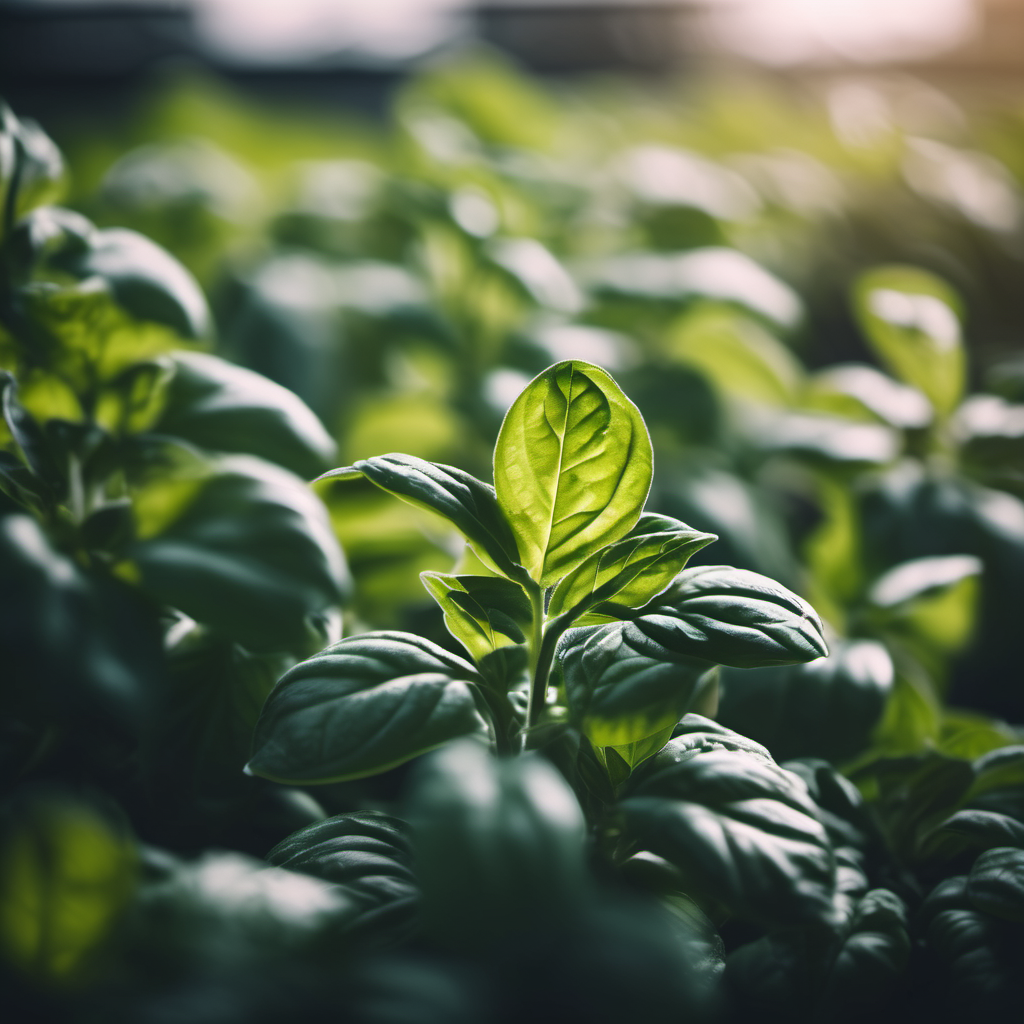
▷ IDENTIFICATION🔍
Common Name: Sweet Basil
Botanical Name: Ocimum basilicum
Family: Mint family (Lamiaceae)
Fragrant annual, biennial, or perennial tropical shrub for Zones 2A to 11B
PRECAUTION: Contains low thujone content. May interact with anticoagulant and antihypertensive medications. Not appropriate for all, consider consulting a doctor first. See section “ADDITIONAL INFORMATION > Animal Toxicity and Medicine Interactions”.
❗Children, pregnant, or breastfeeding: This plant may be harmful if used internally for young children, pregnant, or breastfeeding people. Research or speak with a healthcare professional. 🚼
▷ OTHER NAMES & LOOKALIKES 🏷️
Other Names 🏷️
The name “ocimum” comes from the Greek word “okimom”, which means “aromatic herb”, and basilicum comes from the Greek word basileus, which means “king”.
◦ Genovese Basil: A cultivator of Sweet Basil
◦ Italian Large Leaf Basil
◦ Dolce Fresca Basil
◦ Garden Basil
Lookalikes 🔎
◦ Lemon Basil (Ocimum basilicum citriodorum): A hybrid of sweet basil and American basil, with narrower leaves that have slightly serrated edges.
◦ Holy Basil (Ocimum tenuiflorum or Ocimum sanctum): Also known as tulsi, it has smaller leaves and a fuzzy stem, and a sweet taste with a slight spice.
◦ African Blue Basil (Ocimum kilimandscharicum × basilicum ‘Dark Opal’): A hybrid of sweet basil and camphor basil, with a strong camphor flavor.
▷ APPEARANCE 🪞
Plant Description🌿🗒️
Branched shrub with a beautiful scent, excellent for attracting pollinators. Edible bright green leaves are glossy, and ovate in shape, arranged opposite on square stems. Flowers are small, tubular, two-lipped, and white, appearing in small clusters as whorls on spike-like inflorescence.
Dimensions, Root Depth, and Spacing 📏↔️
Height: 1.5′ to 6′
Width: 1′ to 2′
Root Depth: 12″ deep; Ideal minimum container size 7 gallon or 8 gallons. Larger containers allow plants to grow taller and wider!
Spacing: 1′ to 3′ apart
Flower Season and Fruit or Seed 🌻🍎🫘
Flower: Fragrant, white clusters of flowers appearing along tall inflorescence
Seed: Tiny black seeds, 3.2 millimeters length and 1.8 millimeters width
▷ REPRODUCTION🌱
Sexuality: Hermaphroditic
Pollination: Primarily by bees, also pollinated by butterflies and other beneficial insects.
Growth Rate: Fast
Propagation:
◦ Layering: Select a thick stem that is long enough to lay in nearby container of soil. Remove leaves from the middle section of the stem, this part of the stem will be planted carefully and directly into the soil while still attached to the plant. Water as is necessary to keep soil consistently moist, especially during the Summer. Roots should form on the buried stem in a month, and may thereafter be cut and replanted into individual pots.
◦ Roots: Not relevant
◦ Cuttings: Plant cuttings that are ⅜” to ½” diameter (the wider the stem, the higher percentage of success) and 4″ to 6″ tall. Add cuttings to water and change the water every day for 1 month until roots form, later planting in soil in a container, or propagate by planting in soil during the Spring. Protect the new plant by placing it in partial sun or under a grow light until it has matured, avoiding direct sun.
Seed Germination: When soaked for 15 minutes, seeds develop a gel coating. Soil pH 6.5 to 7.5 at preferably 75°F to 85°F, kept moist, however not wet or dry. Plant seed ⅛” deep, emerges 5 to 14 days after being sown. Germination rate of 80% to 90% (depending on producer).
Indoor Planting: Grow plant for 1 year prior to transplanting outside 12 to 14 weeks after last frost date.
Outdoor Planting: Plant seed 10 weeks after last frost date.
▷ REQUIREMENTS❤️
Sunlight, Water, Fertilizer, and Pruning ☀️💧✂️
Sunlight: 6 hours to 8 hours of full sun
Note: Avoid aerial watering, which encourages fungal growth and disease.
Sweet basil is intolerant of overwatering, which may cause root rot or leaves to droop.
Outdoor Watering: Water regularly during Summer (every 2 to 4 days) and less frequently in the Winter (1 to 3 times per month, more often if a warm climate). K-cup seed starters need water every day during Summer and every 2 days during Winter. Small pots require watering more often, especially if exposed to full sun, while large pots and shaded pots need less water.
Indoor Watering: Deep and infrequent, allowing for soil to dry on the top layer prior to more water.
Drought Resistance: Drought tolerant once established.
Fertilizer: At the start of the growing season, apply fertilizer every 4 weeks to 6 weeks. Scatter evenly at the base of plants, avoiding clumps of fertilizer and preventing contact with stalks and stems. Large clumps of fertilizer won’t evenly supplement nutrients into the entire soil surface after it mixes with water from rain or irrigation. Fertilizer clumps around the base of plants make cause the main stalk to rot or have contact burns, which could damage or kill the plant. Do not throw fertilizer over plant tops, as the clumps of fertilizer caught in between leaf nodes and on foliage may either burn or rot the foliage.
Pruning: Avoid pruning during Winter as it may kill the plant. This same rule applies for the Fall in northern climates. Remove withered flowers, dead leaves, and leggy or dead stems to enhance plant’s appearance. This also promotes new stems to appear with more leaves and flowers.
Soil, Planting, and Environment 🌄🏞️🏜️
Soil: Prefers moist (not soggy), well-drained loam. Intolerable of very wet soil. Tolerates poor laterite to rich loam, and in mildly acidic, neutral, and mildly alkaline soils.
pH: Prefers 5.5 to 6.5; Tolerates 5.1 to 8.5
Planting: When planting a potted plant, dig a hole that’s as deep as the pot and as wide as the root base. For plants with wide roots, dig a hole that is twice the width of the pot and gently space out the root system and then cover with soil to promote healthy growth. Burying tangled roots could cause health issues or stunted growth. The soil should be gently pressed in or watered in to fill the air pockets, preventing soil from collapsing in when watering or raining. Unplanted roots add to the stress of plants and could cause health problems or diseases. Cover every root with soil and smooth the soil’s surface.
Habitat: Native to tropical regions of Africa and Asia, including islands in the South Pacific.
Temperature Preference and Temperature Tolerance🌡️
Temperature: Prefers 70°F to 80°F, tolerates 52°F to 84°F; Mulch roots to retain water and prevent evaporation.
Heat Tolerance: 85°F; Above 85°F may damage the plant, stop growth, or cause it to bolt. To prevent stress, shade the plant, mulch it, and help it adjust to temperature changes. Drought tolerant once established.
Cold Tolerance: 52°; Sensitive to cold, temperatures lower than 52°F may damage the plant. Below 40°F will cause leaves to turn black. Once cold weather arrives, optionally harvest the entire plant if it won’t be brought indoors before frost kills the plant.
Salt, Wind, and Pollution Tolerance 🧂💨 ☣️
Salt Tolerance: Low tolerance
Wind Tolerance: Moderate tolerance
Pollution Tolerance: Low tolerance
▷ ADDITIONAL INFORMATION📚
Description 📝
Sweet Basil is a tender herb well known for its aromatic leaves and history of cultural cuisine and medicinal applications.
Attract and Repel Wildlife🐝🦋🐦🐌🪰🐇🦌
Deer and Rodent Resistant🦌🐇🐁
Attracts: Bees, butterflies, hummingbirds, and other beneficial insects
Repels: Asparagus beetles, carrot flies, tomato hornworms, mosquitoes, whiteflies, and ticks
Diseases and Pests🐜🦠
Note: Proper care keeps plants resilient and healthy, preventing diseases and pests. This list details the potential threats, specific diseases and pests vary depending on environmental climate.
Diseases:
◦ Botrytis blight: Disease that appears as tan or brown spots on leaves, sometimes with a grayish mold, when plants are grown in high humidity, like in a terrarium.
◦ Downy mildew: A destructive disease that may become widespread if left uncontrolled.
◦ Gray mold: Causes wilted foliage on cankered stems.
◦ Fusarium wilt: A common disease caused by a seedborne fungus that stunted growth, wilting, or brown vascular tissues. Infected plants and seeds should be destroyed, and that family of plants shouldn’t be planted in the same area for 2 years to 3 years to prevent reinfection.
◦ Leaf Spot: A diseased or discolored area on a leaf caused by a plant disease or injury. Leaf spots may be caused by fungi, bacteria, or viruses, or by injuries from insects, nematodes, environmental factors, herbicides, or toxicity.
◦ Root Rot: Affects the roots of plants growing in wet or damp soil, may be lethal to both indoor and outdoor plants.
Pests:
◦ Aphids: Small, soft-bodied sucking insects which pierce plant tissues and draw out the juices.
◦ Flea Beetles: Flea beetles may overwinter in the soil, plant debris, or nearby weeds, and may go through multiple generations in a year.
Animal Toxicity and Medicine Interactions ☠️❤️🩹
Sweet Basil has very low, safe levels of thujone. Thujone is a chemical compound found in specific herbs and is toxic in high amounts. Pregnant, breastfeeding mothers, and young children should avoid consuming thujone. Consuming excessive thujone may cause nausea, vomiting, abdominal cramps, dizziness, seizures, damage to the liver and nervous system, coma, or death. Thujone toxicity is higher with concentrated forms like teas, extracts, and oils. Thujone consumed from common culinary use of these herbs now and then is considered safe for consumption.
High Thujone Content: Wormwood (do not eat) and Mugwort
Moderate Thujone Content: Holy Basil, Sage, and Yarrow
Low Thujone Content: Thai Basil Sweet Basil, Thyme, and Oregano
Animal Toxicity: Safe for dogs, cats, and horses
ASPCA Website – Toxic and Non-Toxic Plants “Basil”
Medicine Interactions:
Individuals may have a sensitivity or allergies to sweet basil, consult a healthcare professional first and proceed at own risk.
◦ Anticoagulant and antiplatelet medicine (Blood thinners): Sweet basil may slow blood clotting. Taking sweet basil with medications intended to slow blood clotting may increase the risk of bruising and bleeding.
◦ Antihypertensive medication (High blood pressure medication): Sweet basil may lower blood pressure and strengthen the effect of blood pressure medications.
WebMD Website – Basil “Interactions”
Use and Harvest⚕️🌾
❗Never ingest essential oils, instead use organic fresh or dried herbs.
Use: Popular culinary herb for pesto, soups, and salad. common in Italian dishes. Sweet basil leaves may tolerate high cooking temperatures better than other types of basil.
◦ Flowers or flower buds: As potpourri, herbal tea, crushed for seasoning, or garnishes.
◦ Leaves: Most medicinal part of the plant. Renowned for pesto, sauces, and marinades. also excellent in stir-fry, soups, salads, dressings, flavored salt, flavored oil, garnishes, desserts, and beverages. Externally applied in the form of herbal oil, poultice, salve, cream, or therapeutic tea soak. Flowers have mild medicinal properties.
◦ Seeds: Seeds may be planted for edible sprouts or consumed as a seasoning or garnish. Mild, nutty flavor. Dry seeds are difficult to chew and should be soaked for 15 minutes to 20 minutes prior to soaking. Soaking seeds causes their size to triple, be sure to add enough water or the seeds will clump together.
◦ Essential Oil: Click Here for Precautions, Instructions, and Dilution Ratios
Benefits: Blood thinner (reduces blood clots), antioxidant, antibacterial, antidisease, antiviral, antifungal, anti-inflammatory, prevents and fights infection, colds (flu and influenza), fevers, relieves swelling, headache, digestive problems, digestion stimulating, promotes cardiovascular (heart) health, hypertension (reduces high blood pressure), lowers cholesterol, balances body pH, bad breath, reduces stress, anxiety, flatulence (farting), and acne.
Dosing: 1 teaspoon of dried herb or 1 to 2 teaspoons fresh herb every other day for adults, using irregularly for tea or to add flavor to meals. Use for 2 to 3 weeks, then stop use for 2 weeks prior to continuing use. 1 teaspoon of fresh sweet basil contains 10.4 mcg (9% RDV) of vitamin K, which supports blood health and bone strength.
Click Here for How To Harvest, Dry, and Properly Store Herbs and Seeds
Harvest: Never harvest more than 20% of a plant’s leaves or roots!
◦ Flowers: Harvest any time
◦ Leaves: Harvest any time, primarily Mid Spring to Late Summer
◦ Seeds: Harvest the dry, brown, crunchy flowers from Summer to Fall. Follow harvesting techniques in the link above to extract and properly store the seeds.
Aroma, Flavor, and Culinary Combinations🧼🍴
Note: The flowering stage may cause leaves to be more bitter. Drying the leaves slightly reduces flavor.
Aroma: Sweet, herbaceous, with a mild hint of peppery clove
Flavor: Sweet, savory, and herbaceous with a mild hint of peppery clove
Culinary Combinations: Sweet basil compliments herbs and spices (thyme, rosemary, mint, oregano, cilantro, parsley, cinnamon, nutmeg, sage, chamomile, goldenseal, lavender, cardamom, coriander, tarragon, lemongrass, chives, elderberry, ginger), quinoa, whole wheat enriched pasta, wild rice, beans (sugar snap peas, green beans, chickpeas [garbanzos], black, pinto), legumes (lentils, mung beans), tofu, tempeh, mushrooms, nuts (roasted cashews, almonds, walnuts, pecans, and pine nuts), vegetables (arugula, cabbage, broccoli, cauliflower, Winter squash [pumpkin, butternut squash, acorn squash], Summer squash [zucchini, straightneck, and crookneck], sweet potato, red potato, white potato, eggplant, zucchini, garlic, bell pepper, carrot, beet, asparagus, brussels sprouts, radish, tomato, and cucumber), and fruits (avocado, raspberries, blackberries, blueberries, strawberries, cranberries, apricot, mango, citrus [lemon and lime], and figs)
Click Here to explore a comprehensive list of vitamins, minerals, and nutrients with function explanations, deficiency or excess symptoms, and vegan food source rankings (high, medium, low)
History 📜
Sweet basil, or Ocimum basilicum, has been cultivated in India and Southeast Asia for over 5,000 years. The name Ocimum comes from the Greek word okimom, which means “aromatic herb”, and basilicum comes from the Greek word basileus, which means “king”. Basil has been used in many cultures, including the ancient Egyptians, Greeks, and Romans.
Lifespan⏳
1 year to 4+ years longevity for life expectancy

