
The information provided on this site is for educational purposes only, please consult with a qualified healthcare professional regarding your specific health requirements.
🐝🦋 Popular pollinator attractor
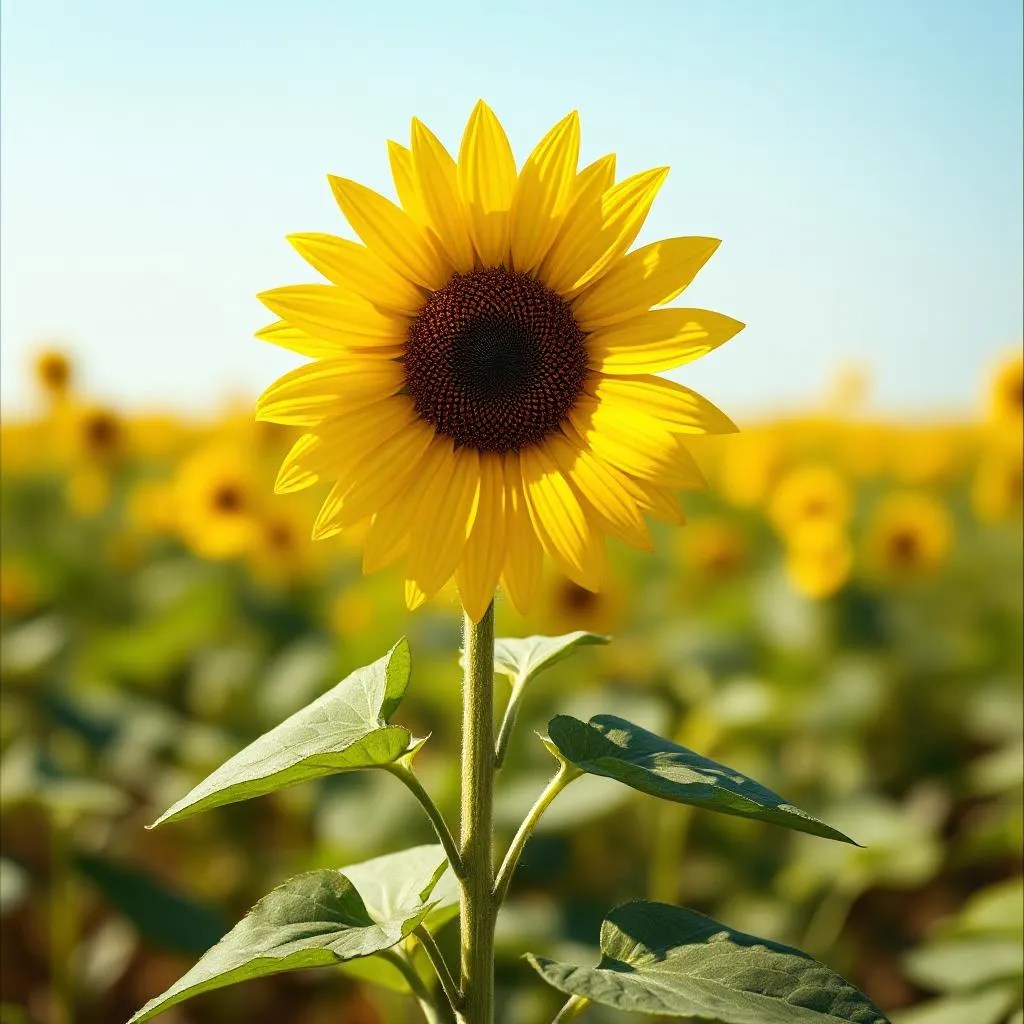
▷ IDENTIFICATION🔍
Common Name: Sunflower
Botanical Name: Helianthus annuus
Family: Aster family (Asteraceae)
Annual ornamental plant with edible seeds for Zones 2 to 9
PRECAUTION: May interact with diabetes medications. Not appropriate for all, consider consulting a doctor first. See section “ADDITIONAL INFORMATION > Animal Toxicity and Medicine Interactions”.
❗People having allergies is uncommon.
▷ LOOKALIKES 🔎
◦ Coneflower: Plant of the Asteraceae family, coneflower blooms have many colors, including yellow, orange, red, purple, and fuchsia.
◦ Gaillardia: Also known as Blanket Flower, these flowers are red in the center with yellow edges.
◦ Gerbera: Aster family plant with flowers that are yellow, orange, white, pink, or red, and often look like sunflowers.
◦ Black-eyed Susan Also known as Gloriosa Daisy, this annual flower has a dark brown center and yellow petals, similar to sunflowers.
▷ APPEARANCE 🪞
Plant Description🌿🗒️
Annual plant with fuzzy, tall, hollow stems. Leaves are large, green, have serrated edges, are shaped like hearts, and are alternately arranged. The flowers are large, 2″ to 14″ depending on the variety, with centers filled with disc florets, surrounded by bright yellow petals. The disc florets in the center, once pollinated, develop into sunflower seeds.
Dimensions, Root Depth, and Spacing 📏↔️
Height: 2′ to 12′, depending on the variety and environment
Width: 1½’ to 3½’
Root Depth: 4′ to 10′ deep; Ideal minimum container size 7 gallon or 8 gallons. Larger containers allow plants to grow taller and wider!
Spacing: 6″ to 12″ for smaller varieties, 2′ for large varieties
Flower Season and Fruit or Seed 🌻🍎🫘
Flower: Large and yellow, from July to September
Seed: ⅔” to ½” length, oval with a narrow end, exterior is white with black lines
▷ REPRODUCTION🌱
Sexuality: Hermaphroditic
Pollination: Bees, butterflies, and other beneficial pollinator insects
Growth Rate: Fast
Propagation:
◦ Roots: Not applicable
◦ Cuttings: Create cuttings, ⅜” to ½” diameter (the wider the stem, the higher percentage of success) and 4″ to 6″ tall. Add cuttings to water and change the water every day for 1 month until roots form, later planting in soil in a container, or propagate by planting in soil during the Spring. Protect the new plant by placing it in partial sun or under a grow light until it has matured, avoiding direct sun.
Seed Germination: Soil pH 6.0 to 7.5 at preferably 70°F to 85°F, kept moist, however not wet or dry. Plant 1″” deep, emerges 7 to 10 days after being sown. Germination rate of 85% to 90% (depending on producer).
Indoor Planting: Grow plant for 1 month prior to transplanting outside 14 to 17 weeks after last frost date.
Outdoor Planting: Plant seeds 14 weeks after last frost date.
▷ REQUIREMENTS❤️
Sunlight, Water, Fertilizer, and Pruning ☀️💧✂️
Sunlight: Prefers 6 to 8 hours of full sun
Note: Avoid aerial watering, which encourages fungal growth and disease.
Outdoor Watering: Seeds require water every day, keep soil moist though not soggy. Water regularly during Summer (every 2 to 3 days) and less frequently in the Winter (once a week). Tiny pots and K-cup seed starters need water every day during Summer and every 2 days during Winter. Small pots require watering more often, especially if exposed to full sun, while large pots and shaded pots need less water.
Indoor Watering: Deep and infrequent, allowing for soil to dry on the top layer prior to more water.
Drought Resistance: Drought tolerant once established
Fertilizer: At the start of the growing season, apply fertilizer every 4 weeks to 6 weeks. Scatter evenly at the base of plants, avoiding clumps of fertilizer and preventing contact with the stalk and stems. Large clumps of fertilizer won’t evenly supplement nutrients into the entire soil surface after it mixes with water from rain or irrigation. Fertilizer clumps around the base of plants may cause the main stalk to rot or have contact burns, which could damage or kill the plant. Do not throw fertilizer over plant tops, as the clumps of fertilizer caught in between leaf nodes and on foliage may either burn or rot the foliage.
Pruning: Avoid pruning during Winter as it may kill the plant. This same rule applies for the Fall in northern climates. Remove withered flowers, dead leaves, and leggy stems to enhance plant’s appearance. This also promotes new stems to appear with more leaves and flowers.
Soil, Planting, and Environment 🌄🏞️🏜️
Soil: Prefers rich, well drained soil
pH: 6.0 to 7.5
Planting: When planting a potted plant, dig a hole that’s as deep as the pot and as wide as the root base. For plants with wide roots, dig a hole that is twice the width of the pot and gently space out the root system and then cover with soil to promote healthy growth. Burying tangled roots could cause health issues or stunted growth. The soil should be gently pressed in or watered in to fill the air pockets, preventing soil from collapsing in when watering or raining. Unplanted roots add to the stress of plants and could cause health problems or diseases. Cover every root with soil and smooth the soil’s surface.
Habitat: Native to North American and South America, common in grasslands, dry foothills, and forest edges.
Temperature Preference and Temperature Tolerance🌡️
Temperature: Prefers 70°F to 78°F
Heat Tolerance: 78°F; Hotter temperatures may cause damage, drought tolerant once established
Cold Tolerance: 30°F; Colder temperatures may cause damage. Mulch roots to retain water and to protect the root system from the cold during Winter. Keep dead leaves on the plant during Winter as a shield to protect the plant, then cut back in the Spring to promote new foliage growth. The day prior to a freeze, use blankets to cover the trunk and foliage to protect the plant from being injured or killed.
Salt, Wind, and Pollution Tolerance 🧂💨 ☣️
Salt Tolerance: Low to moderate tolerance
Wind Tolerance: Low tolerance
Pollution Tolerance: Moderate tolerance
▷ ADDITIONAL INFORMATION📚
Description 📝
The seeds of the sunflower have many nutrients and are used globally for food and birdseed.
Attract and Repel Wildlife🐝🦋🐦🐌🪰🐇🦌
Deer and Rodent Resistant🦌🐇🐁
Attracts: Bees, butterflies, and birds
Repels: Weevils and beetles
Diseases and Pests🐜🦠
Note: Proper care keeps plants resilient and healthy, preventing diseases and pests. This list details the potential threats, specific diseases and pests vary depending on environmental climate.
Diseases:
◦ Charcoal Rot: A serious disease that infects the roots and can kill plants.
◦ Downy mildew: A destructive disease that may become widespread if left uncontrolled.
◦ Powdery Mildew: Disease caused by a fungus due to overwatering or overcrowding, making the plant vulnerable to other pests.
◦ Rust: This fungal disease is caused by more than 7,000 species of fungi. It affects the aerial parts of plants, most commonly the leaves, plus the stems, flowers, and fruit. Each type or plant rust has its own distinctive symptoms, such as bright red, orange, yellow, or brown spots on the leaves. As spores form, the spots turn reddish-orange and eventually black.
Pests:
◦ Aphids: Small, soft-bodied sucking insects which pierce plant tissues and draw out the juices.
◦ Cutworms: Moth larvae that damages young plants by cutting through the stem and feeding on foliage.
◦ Mealybugs: Mealybugs feed on the juices from leaves and stems of plants, damaging a wide variety of host plants.
◦ Spider Mites: They feed by bruising plant cells with their small, whiplike mouthparts and ingesting the sap. Spider mites produce a fine silk webbing, often found at leaf nodes or the undersides of leaves, which may kill plants or cause serious stress to them.
Animal Toxicity and Medicine Interactions ☠️❤️🩹
Animal Toxicity: Safe for dogs, cats, and horses.
ASPCA Website – Toxic and Non-Toxic Plants “Sunflowers”
Medicine Interactions:
Individuals may have a sensitivity or allergies to sunflowers, consult a healthcare professional first and proceed at own risk.
◦ Diabetes medication: Sunflower seeds and sunflower oil might lower blood sugar levels. Taking sunflower seeds or sunflower oil along with diabetes medications might cause blood sugar to drop too low. Monitor blood sugar closely.
Use and Harvest⚕️🌾
Use:
◦ Seeds: Nutrient packed superfood excellent as a snack or in sauces, stir-fry, salad, garnishes, trail mix, desserts. Sunflower seeds are nutritious for cows, chickens, and are popular mixed with birdseed. Sunflower seeds are used to produce sunflower oil.
Essential Oil: Click Here for Precautions, Instructions, and Dilution Ratios
Benefits: Antioxidant (protects cells), anti-inflammatory (reduces internal and external inflammation), increases energy, improves heart health, digestion, and brain function, regulates blood sugar, nerve function, and bone health, and helps hair, nails, skin, and weight loss. Sunflower seeds are a nutrient dense source of calories, omega-6 fats, fiber, protein, copper, iron, magnesium, manganese, phosphorus, selenium, zinc, vitamin B1 (thiamin), B2 (riboflavin), B3 (niacin), B6 (pyridoxine), and vitamin E.
Dosing: Supervise children while they eat sunflower seeds, which may be a choking hazard, and crush seeds to prevent choking. ¼ cup for adults each day. Unsalted, raw sunflower seeds provide the most nutrients.
Click Here for How To Harvest, Dry, and Properly Store Herbs and Seeds
Harvest: Never harvest more than 20% of a plant’s leaves or roots!
◦ Flowers: From Summer to Fall.
◦ Seeds: Harvest seeds once all the petals have dropped and the flower head has dried, seeds should be loose and fully ripened. Flower heads with mature seeds exposed to constant rain will cause them to mold and turn rancid, harvest once seeds are ready on a sunny day without rain.
Aroma, Flavor, and Culinary Combinations🧼🍴
Aroma: Sunflowers smell slightly sweet
Flavor: Seeds are mild and nutty
Culinary Combinations: Sunflower seeds compliment herbs and spices (thyme, rosemary, nutmeg, cinnamon, mint, oregano, cilantro, parsley, sage, chamomile, goldenseal, lavender, elderberry, cardamom, coriander, tarragon, chives, lemongrass, and ginger), quinoa, whole wheat enriched pasta, wild rice, beans (sugar snap peas, green beans, chickpeas [garbanzos], black, pinto), legumes (lentils, mung beans), tofu, tempeh, mushrooms, nuts (roasted cashews, almonds, walnuts, pecans, and pine nuts), vegetables (arugula, cabbage, corn, broccoli, cauliflower, Winter squash [pumpkin, butternut squash, acorn squash], Summer squash [zucchini, straightneck, and crookneck], sweet potato, red potato, white potato, eggplant, zucchini, garlic, lemongrass, bell pepper, carrot, beet, asparagus, brussels sprouts, radish, tomato, and cucumber), and fruits (avocado, raspberries, blackberries, blueberries, strawberries, cranberries, apricot, peaches, mango, citrus [lemon and lime], and figs)
Click Here to explore a comprehensive list of vitamins, minerals, and nutrients with function explanations, deficiency or excess symptoms, and vegan food source rankings (high, medium, low)
History 📜
Sunflowers are native to North and South America. Sunflowers were domesticated around 3,000 BC by Native American tribes in North America, who cultivated them for food and oil.
Lifespan⏳
Usually 1 year longevity for life expectancy. Sunflowers that have produced seeds die after the seeds are formed.

