
The information provided on this site is for educational purposes only, please consult with a qualified healthcare professional regarding your specific health requirements.
🐝🦋 Popular pollinator attractor
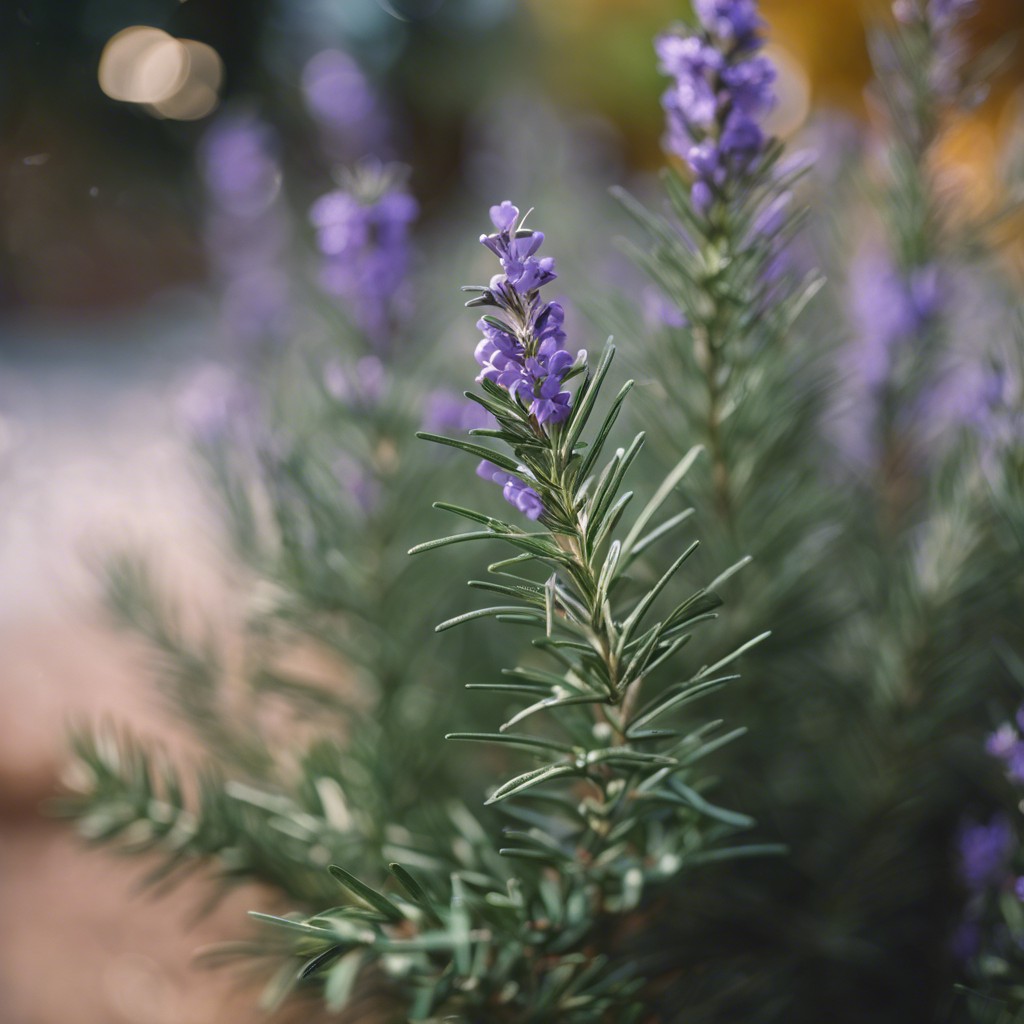
▷ IDENTIFICATION🔍
Common Name: Rosemary
Botanical Name: Salvia rosmarinus
Family: Mint family (Lamiaceae)
Aromatic, drought-tolerant, semi-woody evergreen perennial shrub Zones 8 to 11
Both varieties Rosmarinus officinalis ‘Arp’ and Rosmarinus officinalis ‘Madeline Hill’ are cold tolerant in Zones 6 to 7
PRECAUTION: May interact with several medications, such anticoagulants (for high blood pressure). Not appropriate for all, consider consulting a doctor first. See section “Additional Information > Animal Toxicity and Interactions”
❗Children, epileptic, pregnant or breastfeeding: This plant may be harmful if used internally for young children, epileptic, pregnant or breastfeeding mothers. Research or speak with a healthcare professional. 🚼
▷ OTHER NAMES & LOOKALIKES 🏷️
Other Names 🏷️
◦ Dew Of The Sea (Rosmarinus comes from the Latin ros maris)
◦ Rose of Mary (in honor of the Virgin Mary)
◦ Rosmarinus officinalis (Previous botanical name)
Lookalikes 🔎
◦ Lavender (Lavandula angustifolia, L. latifolia)
◦ Virginia Mountain Mint (Pycanthemum Virginianum) toxic
◦ Narrowleaf Mountain Mint (Pycanthemum tenuifolium)
◦ Pennyroyal (Mentha pulegium) highly toxic
◦ Rough False Pennyroyal (Hedeoma hispida) probably toxic
◦ Sagebrush (Artemisia tridentata)
◦ Curry Plant (Helichrysum italicum)
◦ Canadian horseweed (Conyza canadensis)
▷ APPEARANCE 🪞
Plant Description🌿🗒️
Large sized shrub suitable for topiary shapes or hedges. Stems are square shaped and wood-like rather than tender and herbaceous. Aromatic, green to green-grey, needle-like leaves are thick and supple in texture, oppositely arranged, ¾” to 1½” in length and ⅟₁₆” to ¼” wide. Flowers are small, white, pink, purple, or pale blue and grow in clusters of two or three along the branches. Flowering stage does not impact rosemary leaf flavor!
Dimensions, Root depth, and Spacing 📏↔️
Height: 2′ to 6′
Width: 2′ to 6′
Root Depth: 14″ deep; Ideal minimum container size 7 gallon or 8 gallons. Larger containers allow plants to grow taller and wider!container. The larger the container, the more a plant will grow!
Spacing: 2′ to 3′
Flower Season and Fruit or Seed 🌻🍎🫘
Flower: Produced Spring to Summer. Pruning periodically and removing leggy branches promotes an abundance of flowers.
Seed: Small, oval, tan-brown seeds may be harvested from the plant by pinching off the seed pods when they are dry and brown. Store in a cool, dry place for up to 1 year.
▷ REPRODUCTION🌱
Sexuality: Hermaphroditic
Pollination: Bees, butterflies, hummingbirds, and nectar-feeding flies.
Growth Rate: Moderate
Propagation: Typically, 20% of the seeds do not germinate.
◦ Layering: Select a thick stem that is long enough to lay in nearby container of soil. Remove leaves from the middle section of the stem, this part of the stem will be planted carefully and directly into the soil while still attached to the plant. Water as is necessary to keep soil consistently moist, especially during the Summer. Roots should form on the buried stem in a month, and may thereafter be cut and replanted into individual pots.
◦ Roots: Not available
◦ Cuttings: Plant hardwood or softwood cuttings that are ⅜” to ½” diameter (the wider the stem, the higher percentage of success) and 4″ to 6″ tall. Add cuttings to water and change the water every day for 1 month until roots form, later planting in soil in a container, or propagate by planting in soil during the Spring. Protect the new plant by placing it in partial sun or under a grow light until it has matured, avoiding direct sun.
Seed Germination: Soak seeds in warm water overnight to speed up germination. Soil pH 6.0 to 7.0 at 60°F to 70°F kept moist, however not wet or dry. Barely cover seeds with fine soil, emerges 14 to 30 days after being sown. Germination rate of 30% (depending on producer).
Indoor Planting: Grow plant for 1 year prior to transplanting outside 12 weeks after last frost date.
Outdoor Planting: Plant seeds 10 weeks prior to last frost date.
▷ REQUIREMENTS❤️
Sunlight, Water, Fertilizer, and Pruning ☀️💧✂️
Sun Light: Minimum 6 hours full sun per day, tolerates slight shade.
Note: Avoid aerial watering, which encourages fungal growth and disease.
Outdoor Watering: Water regularly during Summer (every 3 to 4 days) and less frequently in the Winter (every 1 week to 3 weeks). Allow the soil to dry on the surface prior to adding more water, too much water may cause root rot. K-cup seed starters need water every day during Summer and every 2 days during Winter. Small pots require watering more often, especially if exposed to full sun, while large pots and shaded pots need less water.
Indoor Watering: Deep and infrequent, allowing for soil to dry on the top layer prior to more water.
Drought Tolerance: Drought tolerant once established.
Fertilizer: Doesn’t usually need fertilizer. A small amount of low-nitrogen organic fertilizer in Spring or Early Summer if needed. Excessive fertilizer may be harmful. Alternatively, add organic matter to the soil before planting. Scatter evenly at the base of plants, avoiding clumps of fertilizer and preventing contact with stalks and stems. Large clumps of fertilizer won’t evenly supplement nutrients into the entire soil surface after it mixes with water from rain or irrigation. Fertilizer clumps around the base of plants make cause the main stalk to rot or have contact burns, which could damage or kill the plant. Do not throw fertilizer over plant tops, as the clumps of fertilizer caught in between leaf nodes and on foliage may either burn or rot the foliage.
Pruning: Avoid pruning during Winter as it may kill the plant. This same rule applies for the Fall in northern climates. Remove withered flowers, dead leaves, and leggy stems to enhance plant’s appearance. This also promotes new stems to appear with more leaves and flowers.
Soil, Planting, and Environment 🌄🏞️🏜️
Soil Preference: Sandy, slightly acidic, poor to moderately fertile, well drained soil. Very adaptable and may grow in a variety of climates, though not suitable for heavy clay soil.
pH: 6.0 to 8.0.
Planting: When planting a potted plant, dig a hole that’s as deep as the pot and as wide as the root base. For plants with wide roots, dig a hole that is twice the width of the pot and gently space out the root system and then cover with soil to promote healthy growth. Burying tangled roots could cause health issues or stunted growth. The soil should be gently pressed in or watered in to fill the air pockets, preventing soil from collapsing in when watering or raining. Unplanted roots add to the stress of plants and could cause health problems or diseases. Cover every root with soil and smooth the soil’s surface.
Habitat: Warm and moderately dry climates. Thrives in Mediterranean climates.
Temperature Preference and Temperature Tolerance🌡️
Temperature: Prefers day 60°F to 65°F, night 40°F to 50°F
Heat Tolerance: May tolerate to 95°F, however requires consistent moisture to survive and maintain health during hot conditions. Drought tolerant once established.
Cold Tolerance: Tolerates to 20°F, 10°F kills most varieties. For cold climates, consider growing in a pot to bring indoors during Winter. R. officinalis ‘Arp’ survives -10°F lowest! Mulch roots to retain water and to protect the root system from the cold during Winter, then cut back in the Spring to promote new foliage growth.
Salt, Wind, and Pollution Tolerance 🧂💨 ☣️
Salt Tolerance: Low to moderate salt tolerance in moderate amounts, not constantly
Wind Tolerance: Wind resistant
Pollution Tolerance: Not available
▷ ADDITIONAL INFORMATION📚
Description 📝
Native to the Mediterranean region, rosemary has been cultivated for thousands of years. Rosemary is a historical plant that symbolizes remembrance and loyalty. Easy to grow and pest resistant.
Attract and Repel Wildlife🐝🦋🐦🐌🪰🐇🦌
Deer and Rodent Resistant🦌🐇🐁
Attracts: Bees, butterflies, hummingbirds, and other insects. Ideal for gardens intended to attract wildlife.
Repels: Mosquitoes, cabbage loopers, carrot flies, house flies, Mexican bean beetles, slugs, snails, and other pests.
Diseases and Pests 🐜🦠
Note: Proper care keeps plants resilient and healthy, preventing diseases and pests. This list details the potential threats, specific diseases and pests vary depending on environmental climate.
Diseases:
◦ Blight: Bacterial disease that may cause the plant to wither and die, more common in wetter environments and high humidity.
◦ Powdery Mildew: Fungal disease that causes brown spots on the leaves of the plant, more common in wetter environments and high humidity.
◦ Root Rot: Rosemary is susceptible to root rot if the soil is too wet, or soil drainage is too poor.
Pests:
◦ Mealybugs: Appearing as white, cotton-like masses, these small, soft bodies insects may cause leaf yellowing and distortion.
◦ Spider Mites: Hot, dry climates may accumulate spider mites which cause discoloration and webbing on the leaves.
Animal Toxicity and Medicine Interactions ☠️❤️🩹
Rosemary is not for everyone, consider consulting a doctor first.
Use sparingly, very strong, aromatic flavor plus a concentrated potent medicine!
Animal Toxicity: Plant is considered “non-toxic” to most people, dogs, cats, and horses.
ASPCA Website, Toxic and Non-Toxic Plants “Rosemary”
Medicine Interactions: Individuals may have a sensitivity or allergies to rosemary, consult a healthcare professional first and proceed at own risk.
◦ Aspirin. Rosemary contains chemicals similar to aspirin. Taking rosemary along with aspirin might increase the effects and side effects of aspirin.
◦ Diabetes Medication: Taking rosemary along with diabetes medications might cause blood sugar to drop too low. Monitor blood sugar closely.
◦ Warfarin (Coumadin), blood thinning prescription. Taking rosemary might increase the risk of bruising and bleeding.
◦ Clopidogrel (Plavix), blood thinning prescription. Taking rosemary might increase the risk of bruising and bleeding.
◦ Salsalate (Disalcid), nonsteroidal anti-inflammatory and pain relief. Taking rosemary might increase the risk for side effects from salicylates.
◦ Choline Magnesium Trisalicylate (Trilisate), nonsteroidal anti-inflammatory and pain relief. Taking rosemary might increase the effects and side effects of choline magnesium trisalicylate.
◦ Medications changed by liver (Cytochrome P450 1A1 [CYP1A1] substrates), and (Cytochrome P450 1A2 [CYP1A2] substrates). Rosemary might change how quickly the liver breaks down medications prone to being changed or broken down by the liver. This could change the effects and side effects of these medications.
WebMD Website – Rosemary “Interactions”
Use and Harvest⚕️🌾
❗Never ingest essential oils, instead use organic fresh or dried herbs.
Some individuals may have sensitivities or allergies, use with caution.
Use: Commonly cultivated herb for medicine and cooking in the form of fresh and dried leaves. Rosemary is one of the most common essential oils used in aromatherapy. Approved as a food antioxidant preservative in several countries: Rosemary helps prolong the shelf life and heat stability of omega-3 fatty acids, which are prone to going rancid.
◦ Flowers: Flowers (remove calyx) are edible and beautiful, mild rosemary flavor, both sweet and savory.
◦ Leaves: Most medicinal part of the plant. Excellent in stir-fry, sauces, marinades, stuffing, soup, salad, dressing, flavored salt, flavored oil, garnishes, dessert, and beverages. Externally applied in the form of herbal oil, poultice, salve, cream, or therapeutic tea soak.
Essential Oil: Click Here for Precautions, Instructions, and Dilution Ratios
Benefits: Antioxidant, antimicrobial, antibacterial, antiviral, anti-inflammatory, astringent, moisturizing (external application), improves memory, neuroprotective, relieves swelling, colds (flu or influenza), digestion stimulating, pain relief, circulation, reduces flatulence (farting), and bad breath. Occasional, limited quantities may benefit heart conditions (cardiovascular health). Externally applied in the form of a poultice, therapeutic tea soak, herbal oil, salve, or cream.
Dosing: Moderate amounts of Rosemary are “generally safe” for adults, 1 teaspoon internally every other day may be okay. Not suggested to use internally with children, epileptic, pregnant, nor breastfeeding people.
Click Here for How To Dry and Harvest Herbs and Seeds
Never harvest more than 20% of a plant’s leaves or roots!
Harvest: May be harvested all year by clipping fresh leaves or twigs. Store in an air-tight container or use fresh. Flowers must be used for aesthetic decoration immediately after use.
Personal Experience: I once cared for a cat that got in a fight with another cat and endured a scratch to the eye. The eye became discolored and partially black. We remedied this by mixing ½ to 1 tbsp freshly rinsed and poulticed rosemary, 8 oz. fresh, warm water, and 1 tsp sea salt dissolved. Divide in to 2 portions, use the other half later in the day and rewarm as to not become contaminated. I used a clean wash cloth each session for 7 days, saturated it with the liquid, ensuring not too hot, and held him lovingly and pet the cat while holding the wet wash cloth gently on his eye, making sure the liquid did make contact with his closed eye, refreshing the freshness and warmth of the cloth every minute for 5 minutes total, twice a day.
Aroma, Flavor, and Culinary Combinations🧼🍴
Flowering stage does not impact rosemary leaf flavor!
Aroma: Strong, minty, herbal
Flavor: Pungent, slightly bitter, herbal, woody. Flowers are a mild rosemary flavor, both sweet and savory.
Culinary Combinations: Rosemary compliments herbs and spices (other mints, sweet basil, holy basil, oregano, thyme, sage, chamomile, goldenseal, elderberry, and lavender), quinoa, whole wheat enriched pasta, wild rice, bean sprouts, quinoa, whole wheat enriched pasta, wild rice, bean sprouts, beans (sugar snap peas, green beans, chickpeas [garbanzos], black, pinto), legumes (lentils, mung beans), tofu, tempeh, mushrooms, nuts (roasted cashews, almonds, walnuts, pecans, and pine nuts), vegetables (arugula, cabbage, broccoli, cauliflower, Winter squash [pumpkin, butternut squash, acorn squash], Summer squash (zucchini, straightneck, and crookneck), sweet potato, eggplant, garlic, lemongrass, bell pepper, carrot, asparagus, brussels sprouts, radish, tomato, and cucumber), and fruits (avocado, cranberries, apple, apricot, pear, citrus, and figs)
Click Here to explore a comprehensive list of vitamins, minerals, and nutrients with function explanations, deficiency or excess symptoms, and vegan food source rankings (high, medium, low)
History 📜
The earliest clearly recorded history of Rosemary use was 5000 B.C. on cuneiform stone tablets, later used by Egyptians starting 3500 B.C. for embalming corpses.
Lifespan ⏳
35 years longevity for life expectancy.

