
The information provided on this site is for educational purposes only, please consult with a qualified healthcare professional regarding your specific health requirements.
🐝🦋 Popular pollinator attractor
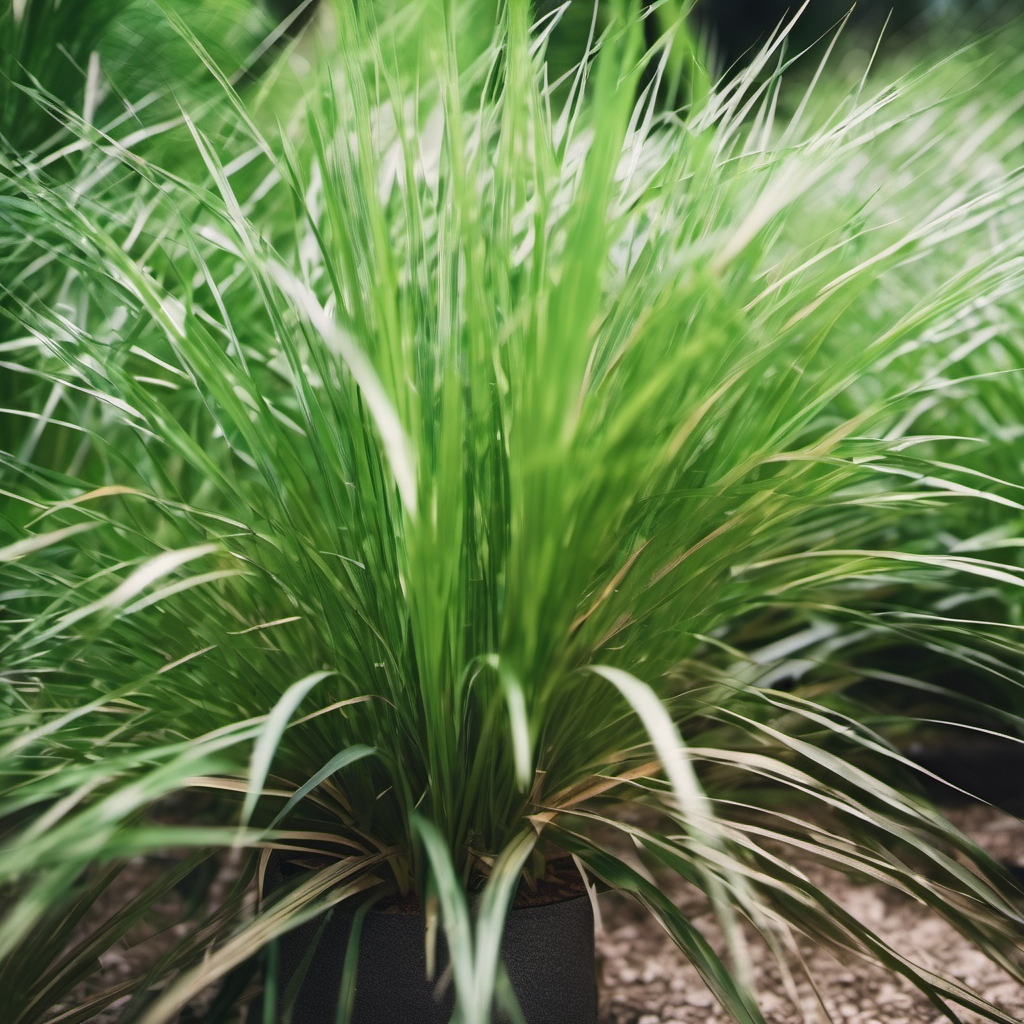
▷ IDENTIFICATION🔍
Common Name: Lemongrass
Botanical Name: Cymbopogon citratus
Family: Grass family (Poaceae)
Tropical aromatic evergreen perennial grass for Zones 9 to 11
PRECAUTION: May interact with _ medications. Not appropriate for all, consider consulting a doctor first. See section “ADDITIONAL INFORMATION > Animal Toxicity and Medicine Interactions”.
❗Children, pregnant, or breastfeeding: This plant may be harmful if used internally for young children, pregnant, or breastfeeding people. Research or speak with a healthcare professional. 🚼
▷ OTHER NAMES & LOOKALIKES 🏷️
Other Names 🏷️
◦ Takrai (ตะไคร้, pronounced ta-krai) in Thailand
◦ Sả (pronounced sah) in Vietnam
◦ Sluk (ស្លឹក, pronounced slaek) in Cambodia
◦ Serai (pronounced se-rah-ee) in Malaysia
◦ Serai (pronounced se-rah-ee) in Indonesia
◦ Xiang Mao (香茅 , pronounced shēng máo) in China
◦ Khas (pronounced khaas) in India
Lookalikes 🔎
◦ Citronella (Cymbopogon nardus): An invasive grass that has a citrus-like aroma, without the sweet lemon aroma of lemongrass. Citronella is a inedible herb and is suggested to avoid for consumption, unlike the edible lemongrass.
▷ APPEARANCE 🪞
Plant Description🌿🗒️
Tropical tufted grass that makes for a culinary addition and an attractive barrier. New stalks grow in a clumping growth pattern. Leaves are bright green, linear, 3′ length, 1″ width, have parallel venation, serrated edges, and ends that are tapered. If leaves are bruised or crushed, their aroma is sweet and lemon-like. Flowers are small, inconspicuous, green-white or yellow-white, occurring in branched clusters on tall flower stalks.
Dimensions, Root Depth, and Spacing 📏↔️
Height: 2′ to 6′
Width: 2′ to 3′
Root Depth: 12″ deep; Ideal minimum container size 7 gallon or 8 gallons. Larger containers allow plants to grow taller and wider!
Spacing: 2′ to 3′ apart
Flower Season and Fruit or Seed 🌻🍎🫘
Flower: Small, inconspicuous, green-white or yellow-white flowers from Late Summer to Early Fall
Seed: Small, linear, narrow, light brown to golden hued seeds are ⅛” to ¼” length
▷ REPRODUCTION🌱
Sexuality: Perfect flowers that are wind-pollinated
Pollination: Pollinated by the wind
Growth Rate: Fast
Propagation:
◦ Roots: Carefully dig up plant. Select healthy stems that are connected to roots, divide them in to separate plants, and cut off dead leaves and stems. Try to have at least 1 stem per root, if not the roots will grow back the foliage eventually. If there is excessive foliage, trim back the foliage to have 4″ leaves from the root system.
Seed Germination: Cold stratification for seeds either dry or in a moist environment in the fridge for 30 to 45 days may speed up germination. Soil pH 6.0 to 7.5 at preferably 70°F to 85°F, kept moist, however not wet or dry. Plant seed ¼” deep, emerges 14 to 25 days after being sown. Germination rate of 30% to 50% (depending on producer).
Indoor Planting: Grow plant for 1 year prior to transplanting outside 12 to 14 weeks after last frost date.
Outdoor Planting: Plant seed 12 to 14 weeks after to last frost date.
▷ REQUIREMENTS❤️
Sunlight, Water, Fertilizer, and Pruning ☀️💧✂️
Sunlight: Prefers 6 to 8 hours full sun
Note: Avoid aerial watering, which encourages fungal growth and disease.
Outdoor Watering: Requires constant water, water regularly during Summer (every 2 to 3 days) and less frequently in the Winter (once every 1 or 2 weeks). Tiny pots and K-cup seed starters need water every day during Summer and every 2 days during Winter. Small pots require watering more often, especially if exposed to full sun, while large pots and shaded pots need less water.
Indoor Watering: Deep and infrequent, allowing for soil to dry on the top layer prior to more water.
Drought Resistance: Not drought tolerant
Fertilizer: At the start of the growing season, apply fertilizer every 4 weeks to 6 weeks. Scatter evenly at the base of plants, avoiding clumps of fertilizer and preventing contact with stalks and stems. Large clumps of fertilizer won’t evenly supplement nutrients into the entire soil surface after it mixes with water from rain or irrigation. Fertilizer clumps around the base of plants make cause the main stalk to rot or have contact burns, which could damage or kill the plant. Do not throw fertilizer over plant tops, as the clumps of fertilizer caught in between leaf nodes and on foliage may either burn or rot the foliage.
Pruning: Avoid pruning during Winter as it may kill the plant. This same rule applies for the Fall in northern climates. Remove withered flowers, dead leaves, and leggy stems to enhance plant’s appearance. This also promotes new stems to appear with more leaves and flowers.
Soil, Planting, and Environment 🌄🏞️🏜️
Soil: Prefers well-drained, moist, fertile, rich loam soil with a high organic content
pH: 6.0 to 7.5
Planting: When planting a potted plant, dig a hole that’s as deep as the pot and as wide as the root base. For plants with wide roots, dig a hole that is twice the width of the pot and gently space out the root system and then cover with soil to promote healthy growth. Burying tangled roots could cause health issues or stunted growth. The soil should be gently pressed in or watered in to fill the air pockets, preventing soil from collapsing in when watering or raining. Unplanted roots add to the stress of plants and could cause health problems or diseases. Cover every root with soil and smooth the soil’s surface.
Habitat: Native to southern India, Sri Lanka, Thailand, and Burma, and may be cultivated in tropical regions around the world.
Temperature Preference and Temperature Tolerance🌡️
Temperature: Prefers 75°F to 85°F, tolerates 50°F to 90°F; Mulch roots to retain water and prevent evaporation.
Heat Tolerance: 100°F and hotter may damage the plant; Not drought tolerant
Cold Tolerance: Tolerates 40°F, 15°F kills the plant. Mulch to protect the root system during Winter. Keep dead leaves on the plant during Winter as a shield to protect the plant, then cut back in the Spring to promote new foliage growth. Potted lemongrass may be brought indoors during Winter, note they are toxic to dogs and cats.
Salt, Wind, and Pollution Tolerance 🧂💨 ☣️
Salt Tolerance: Low to moderate tolerance
Wind Tolerance: High wind tolerance
Pollution Tolerance: Moderate tolerance
▷ ADDITIONAL INFORMATION📚
Description 📝
Lemongrass is native to tropical Asia grasslands, and is today cultivated in tropical and subtropical regions around the world for its culinary and medicinal uses.
Attract and Repel Wildlife🐝🦋🐦🐌🪰🐇🦌
Deer and Rodent Resistant🦌🐇🐁
Attracts: Cats and bees
Repels: Mice, rats, mosquitoes, flies, ticks, ants, and gnats
Diseases and Pests🐜🦠
Note: Proper care keeps plants resilient and healthy, preventing diseases and pests. This list details the potential threats, specific diseases and pests vary depending on environmental climate.
Diseases:
◦ Blight: Bacterial disease that may cause the plant to wither and die, more common in wetter environments and high humidity.
◦ Powdery Mildew: Fungal disease that causes brown spots on the leaves of the plant, more common in wetter environments and high humidity.
Pests:
◦ Aphids: Small, soft-bodied sucking insects which pierce plant tissues and draw out the juices.
◦ Mealybugs: Mealybugs feed on the juices from leaves and stems of plants, damaging a wide variety of host plants.
◦ Scale: Parasite that infest a plant’s leaves and stems and suck sap from plants through their mouth parts. Heavy infestations cause yellowing or wilting of leaves, stunting or unthrifty appearance of the plants, and eventually death of all or part of the plant.
◦ Whiteflies: Flying insects that suck the sap from plants.
Animal Toxicity and Medicine Interactions ☠️❤️🩹
Animal Toxicity: Toxic to dogs, cats, and horses.
ASPCA Website – Toxic and Non-Toxic Plants “Lemongrass”
Medicine Interactions:
Individuals may have a sensitivity or allergies to lemongrass, consult a healthcare professional first and proceed at own risk.
◦ Pentobarbital: Lemongrass essential oil might cause sleepiness. Taking lemongrass together with a sedative drug like pentobarbital might increase side effects and feelings of sleepiness.
◦ Medications changed by liver (Cytochrome P450 1A1 [CYP1A1] substrates), (Cytochrome P450 3A4 [CYP3A4] substrates): Lemongrass might change how quickly the liver breaks down medications prone to being changed or broken down by the liver. This could change the effects and side effects of these medications.
◦ Medications changed by the liver (Glucuronidated drugs): Lemongrass might change how quickly the liver breaks down medications that are changed by or broken down by the liver. This could change the effects and side effects of these medications.
WebMD Website – Lemongrass “Interactions”
Use and Harvest⚕️🌾
❗Never ingest essential oils, instead use organic fresh or dried herbs.
Use: Lemongrass is used for culinary, medicine, aromatherapy, cosmetic, and insect repellents.
◦ Stalk: The most common part of the plant used for cooking due to it’s concentrated volume of the essential oil. Providing a crunchy texture, lemongrass stalks may be minced or chopped to add lemon flavor to stir-fry, soup, salad, dressings, curry, sauces, marinades, flavored salt, flavored oil, garnishes, desserts, herbal tea, and other beverages. Crush or bruise whole stalks to add an intense lemon flavor in soup, broth, and stew. Stalks may be used as skewers, infusing foods on the inside with flavor as they cook. Boil stalks in water and use as a cleanser to eliminate pollutants and rinse afterwards with clean water.
◦ Leaves: May be dried and used for potpourri, satchets, insect repellant, weaving mats, baskets, or other decorative items. Leaves may be crushed and bruised to flavor cuisine, however due to their unpalatable, fibrous, grassy texture, leaves should be removed prior to serving. Wrap lemongrass leaves around vegetables or vegan protein when grilling or steaming to contain the moisture and infuse a lemon flavor, thereby removing the leaves and composting after cooking.
◦ Essential Oil: Click Here for Precautions, Instructions, and Dilution Ratios
Benefits: Antioxidant, antimicrobial, antibacterial, antifungal, anti-inflammatory (internal inflammation and external inflammation), colds (flu or influenza), fever, regulate blood pressure, relieves pain, swelling, stress, anxiety, flatulence (farting), diabetes (high blood sugar or ‘hyperglycemia’), cholesterol, digestive tract spasms, stomach ache, digestion stimulating, increases metabolism, Lemongrass tea may also help flush out toxins from the digestive tract, bladder, liver, and kidneys. Occasional limited use may improve heart conditions (cardiovascular health).
Dosing: 1 cup of lemongrass tea each day for adults. 2 lemongrass stalks should be sufficient when cooking a meal
Click Here for How To Harvest, Dry, and Properly Store Herbs and Seeds
Harvest: Never harvest more than 20% of a plant’s leaves or roots!
◦ Stalks and leaves: Harvest any time, preferably when stalks are ½” diameter and 8″ to 24″ high. For colder climates, harvest prior to the first frost. Cold temperatures will damage the plant and affect the flavor of the stalks
◦ Seeds: Harvest the dry flower seedheads from Fall to Winter. Follow harvesting techniques in the link above to extract and properly store the seeds.
Aroma, Flavor, and Culinary Combinations🧼🍴
Aroma: Lemon
Flavor: Lemon
Culinary Combinations: Ginger compliments herbs and spices (thyme, rosemary, mint, oregano, cilantro, parsley, cinnamon, nutmeg, sage, chamomile, goldenseal, lavender, cardamom, coriander, tarragon, lemongrass, chives, elderberry), quinoa, whole wheat enriched pasta, wild rice, beans (sugar snap peas, green beans, chickpeas [garbanzos], black, pinto), legumes (lentils, mung beans), tofu, tempeh, mushrooms, nuts (roasted cashews, almonds, walnuts, pecans, and pine nuts), vegetables (arugula, cabbage, broccoli, cauliflower, Winter squash [pumpkin, butternut squash, acorn squash], Summer squash [zucchini, straightneck, and crookneck], sweet potato, red potato, white potato, eggplant, zucchini, garlic, bell pepper, carrot, beet, asparagus, brussels sprouts, radish, tomato, and cucumber), and fruits (avocado, raspberries, blackberries, blueberries, strawberries, cranberries, apricot, mango, citrus [lemon and lime], and figs)
Click Here to explore a comprehensive list of vitamins, minerals, and nutrients with function explanations, deficiency or excess symptoms, and vegan food source rankings (high, medium, low)
History 📜
Native to Southeast Asia, lemongrass has been used in cooking and herbal remedies for thousands of years in Asia and Africa, and has a long history of traditional medicinal use.
Lifespan⏳
4+ years longevity for life expectancy.

