
This is for informational purposes only. For medical advice or diagnosis, consult a professional.
🐝🦋 Popular pollinator attractor
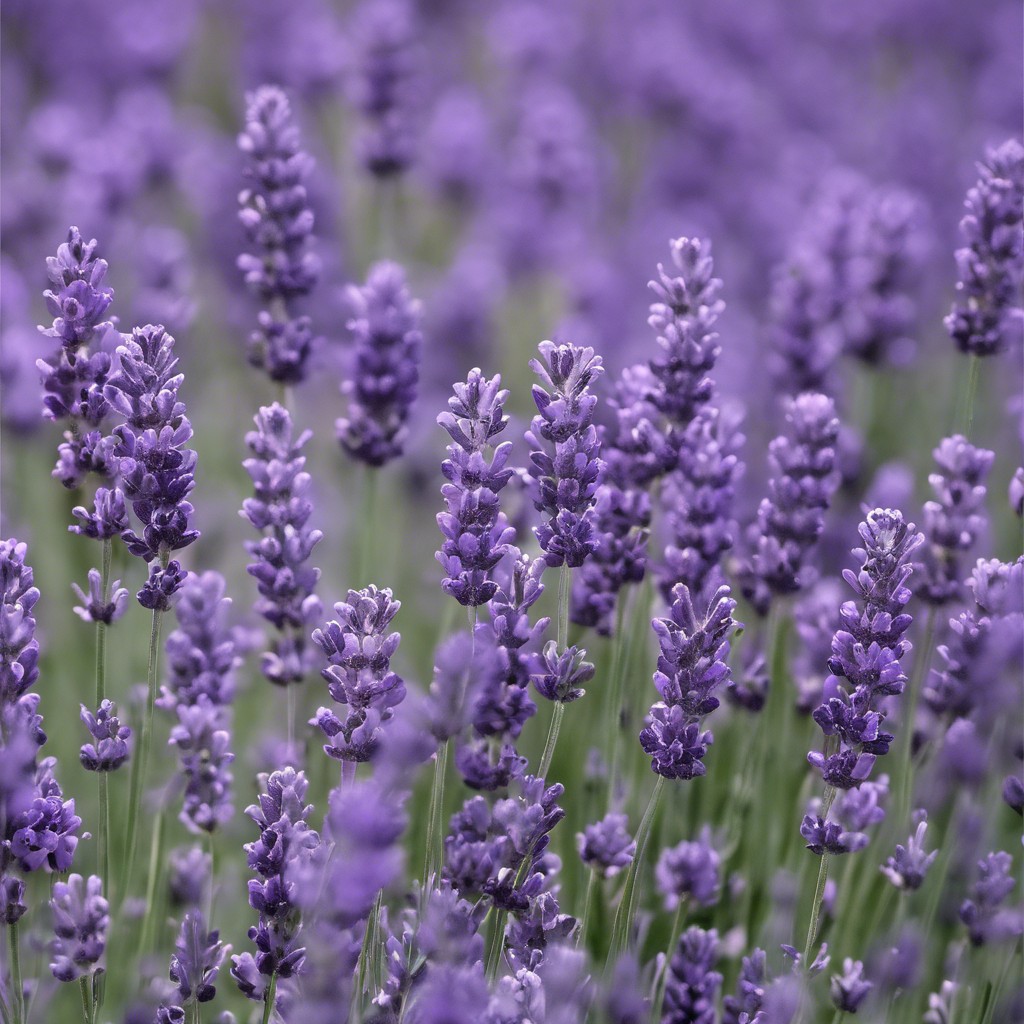
▷ IDENTIFICATION🔍
Common Name: Lavender
Botanical Name: Lavandula angustifolia
Family: Mint family (Lamiaceae)
Aromatic, drought-tolerant, semi-woody perennial evergreen shrub for Zones 5B to 9
PRECAUTION: May interact with sedative medications. Not appropriate for all, consider consulting a doctor first. See section “ADDITIONAL INFORMATION > Animal Toxicity and Medicine Interactions”.
❗Children, pregnant, or breastfeeding: This plant may be harmful if used internally for young children, epileptic, pregnant, or breastfeeding people. Research or speak with a healthcare professional. 🚼
▷ OTHER NAMES & LOOKALIKES 🏷️
Other Names 🏷️
The word “lavender” comes from the Latin word “lavare” which means “to wash”.
◦ English Lavender
◦ Common Lavender (the most commonly planted species)
◦ True Lavender (it is not a hybrid)
◦ Old English Lavender (previous name for the species)
Lookalikes 🔎
◦ Mexican Bush Sage (Salvia leucantha)
◦ Spanish Sage (Salvia lavandulifolia)
◦ Russian Sage (Salvia yangii)
◦ Rosemary (Rosmarinus officinalis)
◦ Catmint (Nepeta mussinii)
◦ Hyssop (Hyssopus officinalis)
◦ Anise Hyssop (Agastache foeniculum)
◦ Marsh Blazing Star (Liatris spicata)
◦ Spiked Speedwell (Veronica spicata)
▷ APPEARANCE 🪞
Plant Description🌿🗒️
Fragrant shrub with a round, compact growth habit, suitable as a decorative pollinator ornamental or as a short hedge. Leaves are narrow, silvery-green, needle-like, arranged oppositely, 1″ to 2.5″ length and 3⁄16″ to 1⁄4″ width. Square, erect stems raise terminal spikes with many purple flowers. The physical structure and stigma receptivity of a flower and the timing of pollen release often prevent self-pollination. That’s why insect pollinators play a crucial role in transferring pollen between different lavender plants, promoting successful seed production
Dimensions, Root Depth, and Spacing 📏↔️
Height: 1′ to 3′
Width: 2′ to 3′
Root Depth: May reach 8″ to 10″ deep; Ideal minimum container size 7 gallon or 8 gallons. Larger containers allow plants to grow taller and wider!
Spacing: Decorative planting, space 18″ to 36″ apart; Hedging, space plants 15″ to 18″ apart
Flower Season and Fruit or Seed 🌻🍎🫘
Flower: Tall, fragrant purple flowering spikes from May to August. Possible to flower once in the Spring, and if spent flowers are pruned back, the plant may again bloom in the Late Summer.
Seed: Tiny, black, 1 millimeter
▷ REPRODUCTION🌱
Sexuality: Hermaphrodite
Pollination: Primarily pollinated by bees, also pollinated by butterflies and other beneficial insects
Growth Rate: Moderate
Propagation:
◦ Roots: Not applicable
◦ Cuttings: Plant hardwood or softwood cuttings that are ⅜” to ½” diameter (the wider the stem, the higher percentage of success) and 4″ to 6″ tall. Add cuttings to water and change the water every day for 1 month until roots form, later planting in soil in a container, or propagate by planting in soil during the Spring. Protect the new plant by placing it in partial sun or under a grow light until it has matured, avoiding direct sun.
Seed Germination: Cold stratification for seeds either dry or in a moist environment in the fridge for 30 to 40 days may speed up germination. Soil pH 6.5 to 8.0 at preferably 65°F to 70°F kept moist, however not wet or dry. Plant seed ⅛” deep, emerges 14 to 20 days after being sown. Germination rate of 20% to 80% (depending on producer).
Indoor Planting: Grow plant for 1 year prior to transplanting outside 10 weeks after last frost date
Outdoor Planting: Plant seeds 10 weeks after to last frost date
▷ REQUIREMENTS❤️
Sunlight, Water, Fertilizer, and Pruning ☀️💧✂️
Sunlight: Prefers 8 hours to 10 hours full sun during the growing season; Minimum 6 hours full sun each day
Note: Avoid aerial watering, which encourages fungal growth and disease.
Outdoor Watering: Water regularly during Summer (every 2 to 4 days) and less frequently in the Winter (1 to 3 times each month, more often if a warm climate). Too much water may cause root rot. K-cup seed starters need water every day during Summer and every 2 days during Winter. Small pots require watering more often, especially if exposed to full sun, while large pots and shaded pots need less water.
Indoor Watering: Deep and infrequent, allowing for soil to dry on the top layer prior to more water. To protect lavender from drying out, keep it away from heaters, and to protect it from chilling, keep it away from drafty windows.
Drought Tolerance: Generally drought tolerant, however needs enough moisture during the growing season
Fertilizer: Lavender naturally prefers poor soil with very few nutrients and survives without fertilizer. Plant health may improve with 1 or 2 doses of fertilizer each year, however excess nitrogen causes too much foliage and fewer flowers. Scatter evenly at the base of plants, avoiding clumps of fertilizer and preventing contact with stalks and stems. Large clumps of fertilizer won’t evenly supplement nutrients into the entire soil surface after it mixes with water from rain or irrigation. Fertilizer clumps around the base of plants make cause the main stalk to rot or have contact burns, which could damage or kill the plant. Do not throw fertilizer over plant tops, as the clumps of fertilizer caught in between leaf nodes and on foliage may either burn or rot the foliage.
Pruning: Avoid pruning during Winter as it may kill the plant. This same rule applies for the Fall in northern climates. Only cut in the green sections of lavender after it stops flowering, usually in Late Summer to Early Fall. This may also be done in Spring while the plant is dormant or once green growth appears, before flower buds form. Cut about ⅔ of the height or to to the height of above the bottom two sets of leaves on each stem. This helps more stems to appear with new, healthy leaves and flowers. Be careful not to cut into the woody sections, which may cause damage and may prevent the plant from regrowing.
Soil, Planting, and Environment 🌄🏞️🏜️
Soil: Prefers well-drained, sandy, sandy loam, or gravelly soils; Lavender will struggle in heavy clay or poorly drained soils
pH: 6.7 to 7.3
Planting: When planting a potted plant, dig a hole that’s as deep as the pot and as wide as the root base. For plants with wide roots, dig a hole that is twice the width of the pot and gently space out the root system and then cover with soil to promote healthy growth. Burying tangled roots could cause health issues or stunted growth. The soil should be gently pressed in or watered in to fill the air pockets, preventing soil from collapsing in when watering or raining. Unplanted roots add to the stress of plants and could cause health problems or diseases. Cover every root with soil and smooth the soil’s surface.
Habitat: Native to the Mediterranean’s mountainous areas. Hot, dry conditions in sunny, rocky habitats with dry, chalky, or sandy soil.
Temperature Preference and Temperature Tolerance🌡️
Temperature: Prefers 60°F to 85°F; Mulch roots to retain water and prevent evaporation.
Heat Tolerance: 95°F; Generally drought tolerant, however needs enough moisture during its growing season, especially after planting
Cold Tolerance: -20°F; Newly planted lavender may be shocked by temperatures below 40°F. Mulch to protect the root system during Winter. Keep dead leaves on the plant during Winter as a shield to protect the plant, then cut back in the Spring to promote new foliage growth.
Salt, Wind, and Pollution Tolerance 🧂💨 ☣️
Salt Tolerance: Low tolerance
Wind Tolerance: Moderate tolerance
Pollution Tolerance: Low tolerance
▷ ADDITIONAL INFORMATION📚
Description 📝
Lavender is a beautiful and fragrant herb native to the Mediterranean region. Belonging to the mint family (Lamiaceae), lavender is well-known for its calming aroma and diverse uses. This versatile plant holds a significant place in the world of vegan medicine, aromatherapy, and even vegan cooking.
Attract and Repel Wildlife🐝🦋🐦🐌🪰🐇🦌
Deer and Rodent Resistant🦌🐇🐁
Attracts: Hummingbirds, bees, butterflies, and other beneficial pollinators
Repels: Deer and rodents
Diseases and Pests🐜🦠
Note: Proper care keeps plants resilient and healthy, preventing diseases and pests. This list details the potential threats, specific diseases and pests vary depending on environmental climate.
Diseases:
◦ Leaf Spot: Fungal infection that appears as small brown specks that can grow into larger lesions. These lesions are sometimes surrounded by yellow rings.
◦ Root Rot: Disease that causes root system to deteriorate. Occurs when plant roots have constantly excessive or too much standing water around them. Common with indoor plants due to overwatering.
Animal Toxicity and Medicine Interactions ☠️❤️🩹
Animal Toxicity: Toxic to dogs, cats, and horses
ASPCA Website – Toxic and Non-Toxic Plants “Lavender”
Medicine Interactions:
Individuals may have a sensitivity or allergies to lavender, consult a healthcare professional first and proceed at own risk.
◦ Sedative medications (CNS depressants or Benzodiazepines): Taking lavender with sedatives may cause excessive sleepiness and excessive slowed breathing problems.
WebMD Website – Lavender “Interactions”
Use and Harvest⚕️🌾
Use: The flowers, leaves, and stems of the lavender plant have been used in traditional herbal medicine for centuries. Lavender flowers are the most utilized part of the plant. Lavender is a versatile herb with many medicinal benefits, and all parts of the plant can be used in a variety of applications, including teas, infused oils, and aromatherapy. Lavender consumption is generally discouraged as it may be mildly irritating to the digestive system and may not be suitable for everyone. For cooking, a pinch or two of crushed lavender flowers for a large pot of soup or for a marinade is sufficient to add a subtle floral note.
◦ Flowers: Whole or crushed flowers are used in satchets, potpourri, for decor, and as a soothing herbal tea. Dried flowers are used to produce lavender essential oil. Excellent for vegan baking, marinades, and herbal flavoring oils. Crush lavender flowers to release flavor, which is easily overpowering so use ⅓ of the suggested amount first and test flavor. 1 teaspoon to 2 teaspoons of lavender to dough recipes or lavender agave nectar drizzled on dishes on into herbal tea.
◦ Leaves: Leaves contain strong aromatics and antimicrobial and antispasmodic properties. Leaves and stems may be used for, herbal oils, poultices, salves, and creams. Excellent for therapeutic steams, baths, and soaks.
❗Never ingest essential oils, instead use organic fresh or dried herbs.
◦ Essential Oil: Click Here for Precautions, Instructions, and Dilution Ratios
A few drops of essential oil in diffusers generates relaxation, stress relief, and restful sleep.
Benefits: Antimicrobial, anti-inflammatory (reduces internal and external inflammation), antidisease, calming, improves mood, reduces anxiety, stress, and depression, and relieves headaches. Topical applications sooth aches and skin irritation (dryness, skin irritation, dermatitis, eczema, burns, bites, stings). May interact with sedative medications. Potentially irritating to sensitive individuals. Avoid using lavender for children with asthma. Do not use lavender products on babies under 6 months.
Dosing: 1 cup of tea (1 teabag equivalent to 1 teaspoon dried herb) each day for adults. Steep tea for 5 minutes to 10 minutes. For culinary use, 1 or 2 pinches of crushed dry lavender flower or ⅓ of the suggested amount for recipes due to the potency and test first. If using leaves for cooking or beverages, the leaves are more bitter though may replace flowers in cooking recipes, be sure to remove the leaves from teas and soups prior to serving.
Click Here for How To Harvest, Dry, and Properly Store Herbs and Seeds
Never harvest more than 20% of a plant’s leaves or roots!
Harvest:
◦ Flowers: Mid-July is the best time to harvest, as the oil in lavender flowers is most potent and fragrant at this time. May be harvested from June to August.
◦ Leaves: Best harvested late Fall, around the first frost, or Early Spring. Optimal time of day to harvest is the early morning, prior to the heat of the day drying the plant’s essential oils.
◦ Seeds: Harvest the dry, brown, crunchy flowers in Late Summer. Follow harvesting techniques in the link above to extract and properly store the seeds.
Aroma, Flavor, and Culinary Combinations🧼🍴
Aroma: Pungent, floral, and a peppery. Lavender pairs well with lemon
Flavor: Richly floral and peppery
Culinary Combinations: Lavender compliments herbs and spices (thyme, sage, rosemary, oregano, mint, rose, chamomile, goldenseal, hibiscus, black pepper, lemongrass, ginger), nuts (almonds, walnuts, pecans), vanilla, chocolate, fruit (especially citrus, strawberries, blueberries, and pears)
Click Here to explore a comprehensive list of vitamins, minerals, and nutrients with function explanations, deficiency or excess symptoms, and vegan food source rankings (high, medium, low)
History 📜
Lavender is believed to have originated in the Mediterranean, Middle East, and India around 2,500 years ago. Egyptians used lavender for mummification, perfume, and healing ointments. Romans scented their baths, beds, clothes, and hair with lavender, and also discovered its medicinal properties. Lavender has been used in perfumes, toilet waters, potpourris, and sachets since the Middle Ages and Renaissance.
Lifespan⏳
4 years to 25 years longevity for life expectancy. Lavender lives for more years with proper care in a warm climate
 Vegan Botany