
This is for informational purposes only. For medical advice or diagnosis, consult a professional.
🐝🦋 Popular pollinator attractor
🛡️Bring indoors during Winter
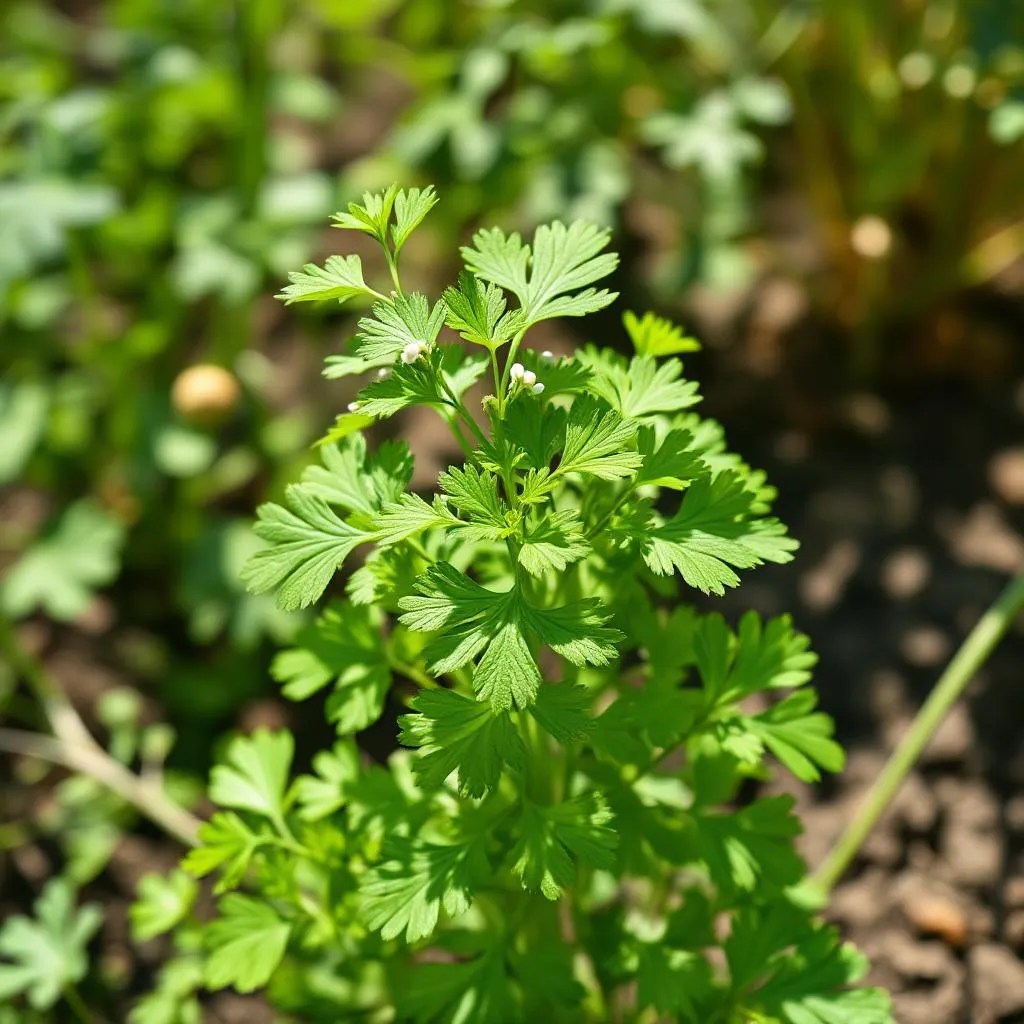
▷ IDENTIFICATION🔍
Common Name: Cilantro
Botanical Name: Coriandrum sativum
Family: Carrot family (Apiaceae)
Tropical herbaceous annual for Zones 2 to 12 (Able to overwinter in zones 8 to 11)
PRECAUTION: May interact with photosensitizing and anticoagulant (blood thinners) medications. Not appropriate for all, consider consulting a doctor first. See section “ADDITIONAL INFORMATION > Animal Toxicity and Medicine Interactions”.
▷ OTHER NAMES & LOOKALIKES 🏷️
Other Names 🏷️
◦ Coriander: Name for the dried seeds.
Lookalikes 🔎
◦ Parsley (Petroselinum crispum): Foliage has a similar appearance, does not have the same aroma of crushed leaves or flavor as cilantro.
◦ Culantro (Broadleaf Cilantro, Eryngium foetidum): The aroma and flavor of the leaves is similar to cilantro, however the appearance is different with long, lanceolate leaves with a serrated edge
▷ APPEARANCE 🪞
Plant Description🌿🗒️
Graceful and delicate herbaceous plant with dense clusters of tender stems. Leaves are green, compound with leaflets that have a potent aroma when crushed. Flowers appear in clusters and are small and white. Seeds form after the flowers have been pollinated and are small, globulous, and brown.
Dimensions, Root Depth, and Spacing 📏↔️
Height: 1′ to 2′
Width: 1′ to 1½’
Root Depth: 6″ to 8″ deep; Ideal minimum container size 7 gallon or 8 gallons. Larger containers allow plants to grow taller and wider!
Spacing: 8″ to 10″ apart
Flower Season and Fruit or Seed 🌻🍎🫘
Flower: Small, white clusters of flowers from Spring to Summer
Seed: Small, 3 mm to 5 mm diameter, globulous, and brown
▷ REPRODUCTION🌱
Sexuality: Hermaphroditic
Pollination: Bees, butterflies, and other beneficial pollinators; Self pollinates
Growth Rate: Fast
Propagation:
◦ Layering: Not applicable
◦ Roots: Not applicable
◦ Cuttings: Plant stem cuttings , ⅜” to ½” diameter (the wider the stem, the higher percentage of success) and 4″ to 6″ tall. Add cuttings to water and change the water every day for 1 month until roots form, later planting in soil in a container, or propagate by planting in soil during the Spring. Protect the new plant by placing it in partial sun or under a grow light until it has matured, avoiding direct sun.
Seed Germination: Soil pH 6.5 to 7.5 at preferably 70°F to 75°F, kept moist, however not wet or dry. Plant seeds ¼” deep, emerges 7 to 10 days after being sown. Germination rate of 80% (depending on producer).
Indoor Planting: Grow plant for 1 year prior to transplanting outside 10 weeks after last frost date.
Outdoor Planting: Plant seed 10 weeks after to last frost date.
▷ REQUIREMENTS❤️
Sunlight, Water, Fertilizer, and Pruning ☀️💧✂️
Sunlight: Prefers 6 hours full sun; Tolerates partial shade
Note: Avoid aerial watering, which encourages fungal growth and disease.
Outdoor Watering: Requires consistent moisture, not being waterlogged. Water regularly during Summer (every 2 to 3 days) and less frequently in the Winter (once a week). Tiny pots and K-cup seed starters need water every day during Summer and every 2 days during Winter. Small pots require watering more often, especially if exposed to full sun, while large pots and shaded pots need less water.
Indoor Watering: Deep and infrequent; Soil requires constant moisture, however do not waterlog the soil.
Drought Resistance: Not tolerant
Fertilizer: Apply fertilizer once in the Spring and again in the Summer. Scatter evenly at the base of plants, avoiding clumps of fertilizer and preventing contact with stalk and stems. Large clumps of fertilizer won’t evenly supplement nutrients into the entire soil surface after it mixes with water from rain or irrigation. Fertilizer clumps around the base of plants may cause the main stalk to rot or have contact burns, which could damage or kill the plant. Do not throw fertilizer over plant tops, as the clumps of fertilizer caught in between leaf nodes and on foliage may either burn or rot the foliage.
Pruning: Avoid pruning during Winter as it may kill the plant. This same rule applies for the Fall in northern climates. Remove withered flowers, dead leaves, and leggy stems to enhance plant’s appearance. This also promotes new stems to appear with more leaves and flowers.
Mulching: Adding organic mulch, such as bark mulch, pine straw, hay, or wood chips helps to retain water and reduce evaporation
Soil, Planting, and Environment 🌄🏞️🏜️
Soil: Prefers well drained, fertile soil with consistent moisture
pH: 6.5 to 7.5
Planting: When planting a potted plant, dig a hole that’s as deep as the pot and have each side of the plant at least as wide as the pot. For plants with wide roots, dig a hole that is twice the width of the pot and gently space out the root system and then cover with soil to promote healthy growth. Burying tangled roots could cause health issues or stunted growth.
Habitat: Native to the Mediterranean.
Temperature Preference and Temperature Tolerance🌡️
Temperature: 65°F to 75°F
Heat Tolerance: 85°F, temperatures higher than this will cause the plant to bolt and flower; Intolerant of drought
Cold Tolerance: 50°F; Cold sensitive, easily damaged by frost. Once cold weather arrives, optionally harvest the entire plant if it won’t be brought indoors before frost kills the plant.
Salt, Wind, and Pollution Tolerance 🧂💨 ☣️
Salt Tolerance: Low tolerance
Wind Tolerance: Low tolerance
Pollution Tolerance: Low to moderate tolerance
▷ ADDITIONAL INFORMATION📚
Description 📝
Cilantro is a tender herb with common culinary use of the aromatic leaves.
Attract and Repel Wildlife🐝🦋🐦🐌🪰🐇🦌
Deer Resistant🦌
Attracts: Butterflies, bees, ladybugs, lacewings, and other beneficial pollinators
Repels: Aphids and spider mites
Diseases and Pests🐜🦠
Note: Proper care keeps plants resilient and healthy, preventing diseases and pests. This list details the potential threats, specific diseases and pests vary depending on environmental climate.
Diseases:
◦ Fusarium wilt: A common disease caused by a seedborne fungus that stunted growth, wilting, or brown vascular tissues. Infected plants and seeds should be destroyed, and that family of plants shouldn’t be planted in the same area for 2 years to 3 years to prevent reinfection.
◦ Leaf Spot: A diseased or discolored area on a leaf caused by a plant disease or injury. Leaf spots may be caused by fungi, bacteria, or viruses, or by injuries from insects, nematodes, environmental factors, herbicides, or toxicity.
◦ Powdery Mildew: Disease caused by a fungus due to overwatering or overcrowding, making the plant vulnerable to other pests.
Pests:
◦ Aphids: Small, soft-bodied sucking insects which pierce plant tissues and draw out the juices.
◦ Armyworms
◦ Cutworms
◦ Rabbits
◦ Scale: Parasite that infest a plant’s leaves and stems and suck sap from plants through their mouth parts. Heavy infestations cause yellowing or wilting of leaves, stunting or unthrifty appearance of the plants, and eventually death of all or part of the plant.
◦ Spider Mites: They feed by bruising plant cells with their small, whiplike mouthparts and ingesting the sap. Spider mites produce a fine silk webbing, often found at leaf nodes or the undersides of leaves, which may kill plants or cause serious stress to them.
Animal Toxicity and Medicine Interactions ☠️❤️🩹
Animal Toxicity: Safe for dogs, cats, and horses.
ASPCA Website – Toxic and Non-Toxic Plants “Cilantro”
Medicine Interactions:
Individuals may have a sensitivity or allergies to cilantro, consult a healthcare professional first and proceed at own risk.
◦ Photosensitizing medicine: Interacts with cilantro.
◦ Anticoagulant and antiplatelet medicine (Blood thinners): Cilantro may slow blood clotting. Taking cilantro with medications intended to slow blood clotting may increase the risk of bruising and bleeding.
WebMD Website – Cilantro “Interactions”
Use and Harvest⚕️🌾
Use:
◦ Leaves: Edible and used for medicine or culinary use. Excellent for soups, salsa, salads, dressings, marinades, seasoning, flavored salt, and garnishes.
Benefits: Antioxidant (protects cells), anti-inflammatory (reduces internal and external swelling), antimicrobial, and improves digestion.
Dosing: ¼ cup maximum each day for adults
Click Here for How To Harvest, Dry, and Properly Store Herbs and Seeds
Harvest: Never harvest more than 20% of a plant’s leaves or roots!
◦ Leaves: Any time they are available.
◦ Seeds: Harvest the round seeds from Spring to Summer. Follow harvesting techniques in the link above to extract and properly store the seeds.
Aroma, Flavor, and Culinary Combinations🧼🍴
Flowering stage makes the cilantro leaves bitter.
Aroma: Strong and herbaceous
Flavor: Fresh and herbaceous
Culinary Combinations: Cilantro compliments herbs and spices (thyme, rosemary, mint, oregano, sweet basil, parsley, cinnamon, nutmeg, sage, chamomile, goldenseal, lavender, cardamom, coriander, tarragon, lemongrass, chives, elderberry, ginger), quinoa, whole wheat enriched pasta, wild rice, beans (sugar snap peas, green beans, chickpeas [garbanzos], black, pinto), legumes (lentils, mung beans), tofu, tempeh, mushrooms, nuts (roasted cashews, almonds, walnuts, pecans, and pine nuts), vegetables (arugula, cabbage, broccoli, cauliflower, Winter squash [pumpkin, butternut squash, acorn squash], Summer squash [zucchini, straightneck, and crookneck], sweet potato, red potato, white potato, eggplant, zucchini, garlic, bell pepper, carrot, beet, asparagus, brussels sprouts, radish, tomato, and cucumber), and fruits (avocado, raspberries, blackberries, blueberries, strawberries, cranberries, apricot, mango, citrus [lemon and lime], and figs)
Click Here to explore a comprehensive list of vitamins, minerals, and nutrients with function explanations, deficiency or excess symptoms, and vegan food source rankings (high, medium, low)
History 📜
Cilantro is native to the Mediterranean region and southwestern Asia and was used as early as 5,000 B.C.
Lifespan⏳
1 year longevity for life expectancy.
 Vegan Botany