
This is for informational purposes only. For medical advice or diagnosis, consult a professional.
🐝🦋 Popular pollinator attractor
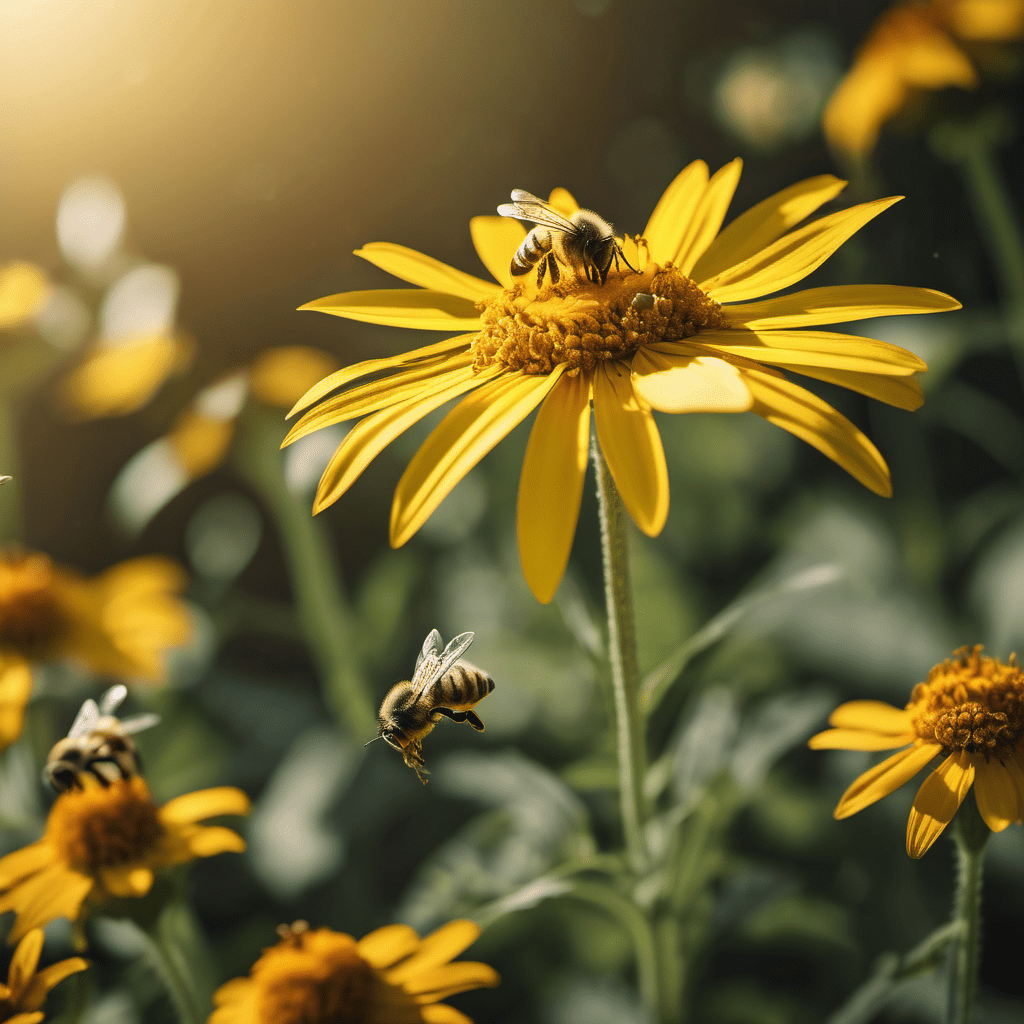
IDENTIFICATION🔍
Common Name: Mountain Arnica
Botanical Name: Arnica montana
Family: Daisy family (Asteraceae)
Herbaceous perennial herb for Zones 4 to 9
Plant growth by root propagation may be aggressive and take over areas.
PRECAUTION: May interact with anticoagulant medications. Not appropriate for all, consider consulting a doctor first. See section “ADDITIONAL INFORMATION > Animal Toxicity and Medicine Interactions”.
❗Children, epilepsy, pregnant, or breastfeeding: This plant may be harmful if used internally for young children, epileptic, pregnant, or breastfeeding people. Research or speak with a healthcare professional. 🚼
OTHER NAMES & LOOKALIKES 🏷️
Other Names 🏷️
◦ Árnica Méxicana
◦ Arnica
◦ Mountain Daisy
Lookalikes 🔎
◦ Balsamroot genus of plants (Balsamorhiza genus): Fleshy taproots, erect stems, and large leaves at the base. The plants have showy yellow flowers that look like sunflowers and grow on tall stems.
◦ Dandelion (Taraxacum): Known for their small yellow flowers that bloom in the spring and are followed by seed heads that float on long stalks. Rich in nutrients and edible.
◦ Garden Mum (Chrysanthemum x morifolium): typically grows 2′ to 3′ tall. The plant has dark green, deeply lobed leaves and creamy yellow flowers that bloom from September to frost. Cultivars of this species may be shades of yellow, lavender, purple, red, orange, and white.
◦ Goldmoss Stonecrop (Sedum acre): Well adapted to a variety of soils, it grows up to 3″ inches tall and 24″+ wide, forming a moss-like ground cover. Flowers are bright yellow, small, and star-shaped, blooming in clusters above its foliage from June to August.
APPEARANCE 🪞
Plant Description🌿🗒️
Ideal member of the daisy family to attract pollinators. Rosette of ovoid, green basal leaves with tall flowering stems and small, bright green, downy, oppositely arranged leaves with toothed margins. 2″ diameter flower head with 10 to 15 yellow ray florets that border orange-yellow disc florets at the center.
Dimensions, Root Depth, and Spacing 📏↔️
Height: 12″ to 24″
Width: 8″
Root Depth: Roots aggressively spread and may take over areas. 10 gallon container is ideal. Larger containers allow plants to grow taller and wider!
Spacing: 6″ apart for clustered look, 12″ to 24″ apart for spaced appearance
Flower Season and Fruit or Seed 🌻🍎🫘
Flower: Bright yellow petals with a yellow-orange center from Spring to Summer
Seed: Fluffy pappus seed head with wind-dispersed seeds
REPRODUCTION🌱
Sexuality: Hermaphrodite
Pollination: Pollinated by butterflies, moths, bees, and flies.
Growth Rate: Slow for seedlings; Medium for mature plants
Propagation:
◦ Roots: Carefully dig up the entire plant. Divide each plant into an individual root system with foliage attached and replant in either Spring or Fall every 3 years.
◦ Cuttings: Plant cuttings that are ⅜” to ½” diameter (the wider the stem, the higher percentage of success) and 4″ to 6″ tall. Add cuttings to water and change the water every day for 1 month until roots form, later planting in soil in a container, or propagate by planting in soil during the Spring. Protect the new plant by placing it in partial sun or under a grow light until it has matured, avoiding direct sun.
Seed Germination: Cold stratification for seeds either dry or in a moist environment in the fridge for 30 to 60 days may speed up germination. Soil pH 5.5 to 6.5 at preferably 55°F kept moist, however not wet or dry. Barely cover seed with soil or plant seed ¼” deep, emerges 21 to 30 days after being sown (sometimes 2 years to germinate in nature!). Germination rate of 80% (depending on producer).
Indoor Planting: Grow plant for 1 year prior to transplanting outside 10 weeks after last frost date.
Outdoor Planting: Plant seeds 6 weeks prior to last frost date.
REQUIREMENTS❤️
Sunlight, Water, Fertilizer, and Pruning ☀️💧✂️
Sunlight: Prefers full sun, adequate in partial shade. Full Sun for mountain gardens, part sun for valley gardens.
Note: Avoid aerial watering, which encourages fungal growth and disease.
Outdoor Watering: Regularly water, keeping moist and not soggy. Not drought tolerant. K-cup seed starters need water every day during Summer and every 2 days during Winter. Small pots require watering more often, especially if exposed to full sun, while large pots and shaded pots need less water.
Indoor Watering: Deep and infrequently, do not allow to dry, keep moist though avoid overwatering.
Drought Resistance: Not drought resistant.
Fertilizer: Plant health may improve with 1 or 2 doses of fertilizer per year, however excess nitrogen causes too much foliage and fewer flowers. Scatter evenly at the base of plants, avoiding clumps of fertilizer and preventing contact with stalks and stems. Large clumps of fertilizer won’t evenly supplement nutrients into the entire soil surface after it mixes with water from rain or irrigation. Fertilizer clumps around the base of plants make cause the main stalk to rot or have contact burns, which could damage or kill the plant. Do not throw fertilizer over plant tops, as the clumps of fertilizer caught in between leaf nodes and on foliage may either burn or rot the foliage.
Pruning: Avoid pruning during Winter as it may kill the plant. This same rule applies for the Fall in northern climates. Remove withered flowers and dead leaves to enhance plant’s appearance. This helps more stems to appear with new, healthy leaves and flowers.
Soil, Planting, and Environment 🌄🏞️🏜️
Soil: Prefers moist (not soggy), well drained, sandy loam
pH: 5.5 to 6.5
Planting: When planting a potted plant, dig a hole that’s as deep as the pot and as wide as the root base. For plants with wide roots, dig a hole that is twice the width of the pot and gently space out the root system and then cover with soil to promote healthy growth. Burying tangled roots could cause health issues or stunted growth. The soil should be gently pressed in or watered in to fill the air pockets, preventing soil from collapsing in when watering or raining. Unplanted roots add to the stress of plants and could cause health problems or diseases. Cover every root with soil and smooth the soil’s surface.
Habitat: Naturally found in acidic, nutrient poor soils, clay soils, common in alpine meadows as high as 9,800′
Temperature Preference and Temperature Tolerance🌡️
Temperature: Prefers 55°F to 70ºF
Heat Tolerance: 77ºF; Not drought tolerant
Cold Tolerance: -13°F; Mulch roots to retain water and to protect the root system from the cold during Winter dormancy. Keep dead leaves on the plant during Winter as a shield to protect the plant, then cut back in the Spring to promote new foliage growth.
Salt, Wind, and Pollution Tolerance 🧂💨 ☣️
Salt Tolerance: Not tolerant
Wind Tolerance: Stake in windy areas
Pollution Tolerance: Susceptible to excessive acidification of soil. For example, Netherlands had increased aluminum concentrations in the soil as a result of acidifying atmospheric inputs which caused the decline of A. montana and C. dissectum.
ADDITIONAL INFORMATION📚
Description 📝
Mountain arnica is one of the most potent arnicas. This specific variety evolved and adapted for many centuries on mountains and in valleys, forcing the plant to become powerful in order to survive.
Attract, Deter, and Repel Wildlife🐝🦋🐦🐌🪰🐇🦌
Deer Resistant, Toxic to Rabbits🦌🐇
Ideal for gardens intended to attract wildlife.
Attracts: Bees (very attracted), other insects, and rabbits. Rabbits may eat arnica if given the chance.
Repels: None known
Diseases, Problems, and Pests🐜🦠
Note: Proper care keeps plants resilient and healthy, preventing diseases and pests. This list details the potential threats, specific diseases and pests vary depending on environmental climate.
Diseases:
◦ Powdery Mildew: Fungal disease that causes brown spots on the leaves of the plant, more common in wetter environments and high humidity.
Problems:
◦ Overwatering
◦ Underwatering
Pests:
◦ Looper Caterpillars: Not too threatening if it’s a few caterpillars and a lot of Arnica. In vast amounts, the caterpillars may cause serious damage.
◦ Rabbits: Rabbits will eat a large amount of arnica if given the chance.
◦ Snails and Slugs: They love the moisture and will live amongst and consume Arnica plants. Mulch with pine needles to deter their soft, susceptible bodies.
Animal Toxicity and Medicine Interactions ☠️❤️🩹
Arnica is not for everyone, consider consulting a doctor first.
Animal Toxicity: Moderately toxic, do not give internally to animals.
Medicine Interactions:
Individuals may have a sensitivity or allergies to arnica, consult a healthcare professional first and proceed at own risk.
◦ Anticoagulant and antiplatelet medicine (Blood thinners): Arnica may slow blood clotting. Taking arnica with medications intended to slow blood clotting may increase the risk of bruising and bleeding.
FDA: Arnica classified as unsafe due to toxicity, avoid internal oral consumption and topical application to broken skin where absorption may occur. Ingestion may cause stomach pain, diarrhea, internal bleeding, and vomiting. Repetitive continuous use of Arnica may cause skin irritation.
WebMD Website – Arnica “Interactions”
Use and Harvest⚕️🌾
❗Never ingest essential oils, instead use organic fresh or dried herbs.
PRECAUTION: Only use externally on unbroken skin, may be toxic if used on cuts, lesions, open wounds, etc. Some individuals may be sensitive to arnica, consider consulting a doctor prior to use. Some cultures drink dried flowers in tea, see “Animal Toxicity and Interactions”. Plant contains helenalin, which may be poisonous in large amounts.
Mountain Arnica is usually the variety used for herbal remedies and store-bought arnica products. Roots contain thymol, which has antifungal properties.
Use:
Flowers and leaves: May use flowers and leaves fresh or dried applied externally on unbroken skin in the form of a poultice, herbal oil, salve, cream, gel, teabag compress, or therapeutic tea soak. Use at own risk. I am not a licensed health specialist, advisable to consult a health care professional prior to use.
Essential Oil: Click Here for Precautions, Instructions, and Dilution Ratios
Benefits: Blood thinner (reduces blood clots), antifungal, anti-inflammatory (reduces swelling), helps muscle aches, pain, arthritis symptoms, osteoporosis pain, relieves sprains and bruises
Dosing: 1 teabag or ½ teaspoon to 1 teaspoon of dried herb per day for adults. Take for 1 week, then stop taking for 1 month prior to taking again.
Click Here for How To Harvest, Dry, and Properly Store Herbs and Seeds
Harvest: Never harvest more than 20% of a plant’s leaves or roots!
◦ Flowers: Harvest from Spring to Summer when flowers are fully open. Cut flower stem approximately 2″ to produce a secondary flower. Dry the flowers on screens out of direct sunlight in well-ventilated areas.
◦ Seeds: Harvest seeds when full, spherical seed-tuft is formed and store in a cool, dry place for up to 1 year.
Personal Experience: I purchased Árnica Méxicana tea from my local Mexican store, I drank one cup or herbal tea every day for 1 week while working a strenuous warehouse job. I experienced no ill-side effects, I felt energized in additional to having the potency of the plant’s energy buzz and resonate throughout me.
Aroma, Flavor, and Culinary Combinations🧼🍴
Aroma: Slight, herbaceous floral aroma
Flavor: Mildly floral, slightly bitter (as with tea)
Culinary Combinations: Arnica compliments herbs and spices (chamomile, goldenseal, lavender, rose, hibiscus, elderberry, peppermint, lemongrass, and ginger)
Click Here to explore a comprehensive list of vitamins, minerals, and nutrients with function explanations, deficiency or excess symptoms, and vegan food source rankings (high, medium, low)
History 📜
The earliest clearly recorded history of Arnica use as an herbal remedy is in the 16th century as a famous German folk remedy. Used as an analgesic and anti-inflammatory. This specific variety evolved and adapted for many centuries on mountains and in valleys, allowing it to become resilient and powerful in order to survive.
Lifespan⏳
Several years longevity for life expectancy
 Vegan Botany