
Pest and Disease Identification
NEEM PRECAUTION: Neem oil is toxic to fish and honeybees, even though it is organic and non-toxic to mammals, Set water sprayer setting MIST to gently deter honey bees away and thereafter apply neem. Avoid use near bodies of water, fish ponds, and aquariums.
DIATOMACEOUS EARTH PRECAUTION: Diatomaceous earth should only be used as is deemed necessary during plant fruiting stages or with severe pest problems. Bees may be harmed and killed by diatomaceous earth. Bees become covered in nutrient dense pollen as they pollinate. If a bee make contact with diatomaceous earth powder, the powder will pulling moisture from their bodies, thus fatally dehydrating them.
ESSENTIAL OILS: Certain essential oils, like peppermint or garlic oil, have shown some promise as animal repellents. However, be cautious as some essential oils may be harmful to plants and animals. Always research proper dilution rates for any essential oils you consider using.
Diseases and Conditions
| Blight | Chlorosis | Deficiency Potassium |
| Dehydration | Powdery Mildew | Root Rot |
| Rust | Salt Exposure | Temperate (Too Cold) |
| Water (Overwatering) |
Blight
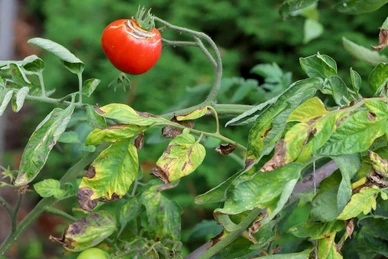
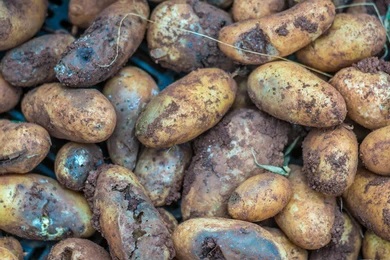
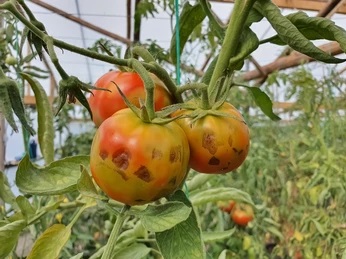
NOTE: DO NOT COMPOST plants affected by blight. Instead, burn or yard waste them. Blight may survive in compost piles for over a year and spread to the soil and plants if the compost is used in the garden. Blight may also produce long-lived dormant spores that may overwinter, which may increase the risk of other diseases in the following year.
Blight is a highly contagious disease that causes sudden and severe symptoms in leaves, flowers, fruit, stems, or the entire plant. Weather conditions such as storms or changes in humidity and temperature typically exacerbate the damage.
AFFECTS: Tomatoes, potatoes, apples, tuberous begonia, asters, cyclamen, ornamental plants, etc.
CAUSES: Blight is usually caused by bacterial or fungal infestations that attack the shoots and other young tissues of a plant. These infestations are more likely to occur in cool, moist conditions. Many types of blight are highly contagious.
SOLUTION: Once symptoms of early blight appear, control is nearly impossible. Slow the spread of the disease by pruning foliage to improve air flow. Cutting back stems also helps the plant concentrate the last of it’s vitality towards the remaining stems and leaves, reducing the stress of the plant by having less to manage.
Chlorosis
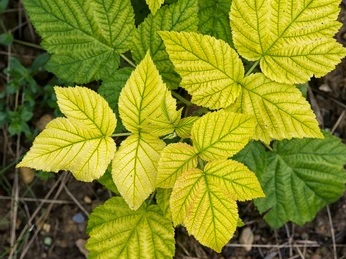
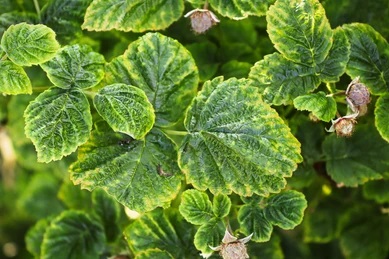
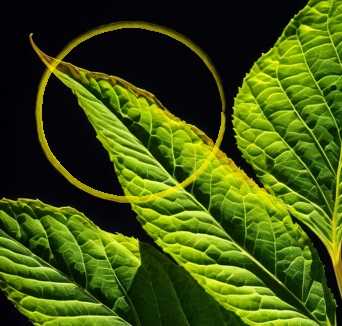
Chlorosis is a condition in plants that causes leaves to turn yellow or pale between veins due to a lack of chlorophyll.
AFFECTS: Many plants, including trees, shrubs, and herbaceous plants, are susceptible to chlorosis, especially when growing in soils with a pH above 6.5.
CAUSES: Deficiency in nitrogen, potassium, minerals (iron, zinc, manganese, or magnesium), disease, poor drainage, damaged roots, compacted roots, unsuitable pH, or lack of light.
SOLUTION:
Foliage Spray: During the time when leaves are full and dense, one may spray on cool, cloudy days to avoid burning leaves from hot weather and sun. Spray foliage with a mix of 2.5 ounces of iron sulfate in 3 gallons of water, with a few drops of natural dish detergent to help stick to the leaves. Chelated iron may also be used. Repeat the application if symptoms persist or new leaves appear.
Soil Treatment: Add a 1 inch layer of organic compost and 3 inch layer of organic mulch. Apply elemental sulfur to reduce soil pH, allowing for roots to absorb nutrients easier. Also apply chelated iron to increase available iron. Add a couple of tablespoons of a week-old, rusted scouring pad to watering may for similar effect for iron increase.
Deficiency of Potassium (K)
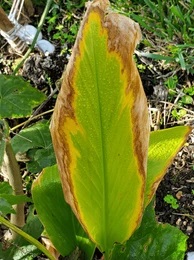
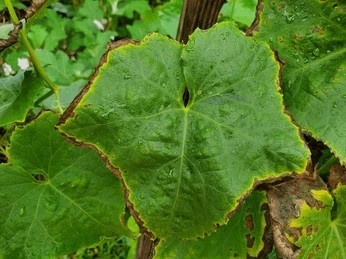
Plants with potassium deficiency may show necrosis of the tips of the oldest leaves, brown scorching and curling of leaf tips, and yellowing (chlorosis) between leaf veins. Purple spots may also appear on the leaf undersides. Plant growth, root development, and seed and fruit development are usually reduced in potassium-deficient plants. Potassium deficient plants are more prone to frost damage and disease, and their symptoms may often be confused with wind scorch or drought.
AFFECTS: Fruits (cantaloupe, watermelon, tomato, grapes, peach, apple, peach, grapes, strawberries, gooseberries, raspberries, blackberries, currants), beans (soybeans [edamame], peas, string beans), large flowered plants (rose, hibiscus, orchids), potato, brassica (bok-choy, broccoli, cauliflower, cabbage, choy sum, kohlrabi, napa cabbage, rutabaga, turnip), beet (especially sugar beet), grains, and clover.
CAUSE: Potassium deficiency is most common with light, sandy soil, potassium’s high solubility causing it to quickly leach down into the subsoil below. Potassium deficiency may also occur in chalky or peaty soils with low clay content, in addition to heavy clay substrate with poor structure.
SOLUTION: Mix organic compost into soil.
Homemade wood ash fertilizer: Use a homemade wood ash fertilizer and apply sparingly, as too much may burn plants. CLICK HERE FOR RECIPE.
Banana peels: Bury banana peels around the base of plants to slowly release potassium.
Dehydration
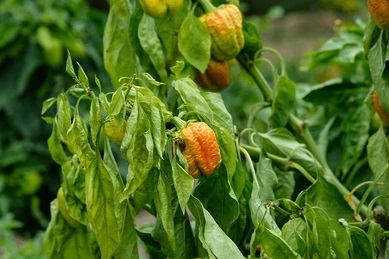
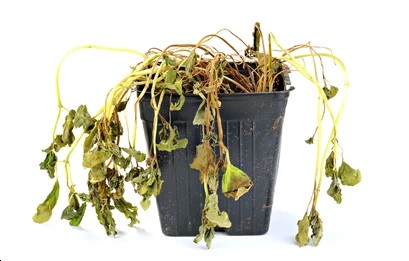
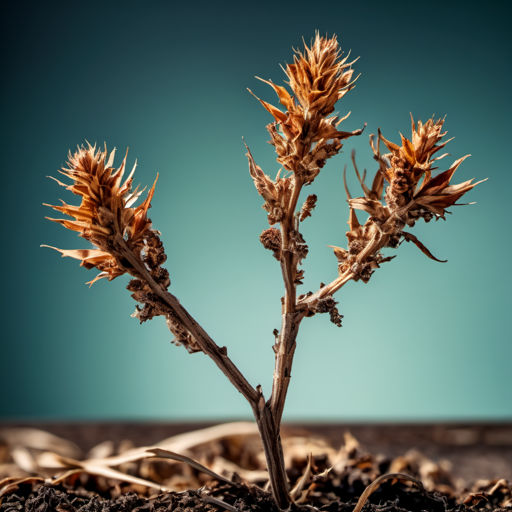
Dehydration is when a plant transitions from activity to a dormant state to preserve life during drought stress. The plant’s resilience and the stress regime determine whether the plant recovers or dies.
AFFECTS: Dehydrated plants, underwatered plants that require lots of water
CAUSE: Lack of water, not enough water
SOLUTION: Frequent watering prevents plants from drying out. If the soil has become too dry on the surface to easily absorb water, an alternative method is to try bottom watering from the bottom of a container rather than the top of the container. To rehydrate a very dry plant, relocate container to a sink, bathtub, tray, and saturate with a healthy amount of water.
Make watering easier: Keep watering sources and plants close together. Use a large pot to that water is retained for longer, however be careful not to overwater. Small pots dry out quickly. Perfect for expansive garden beds and vegetable gardens, drip irrigation (my preference), soaker hose irrigation, and sprinkler systems do the watering for us. Gravity watering devices allow for gravity to saturate the soil at a rate that matches a plant’s thirst, requiring refill once empty. Make the plant’s soil one rich in organic matter to absorb and retain water like a sponge.
Low-water plants: Select plants that are drought resistant or xeriscaping-friendly
Powdery Mildew (White Mold)
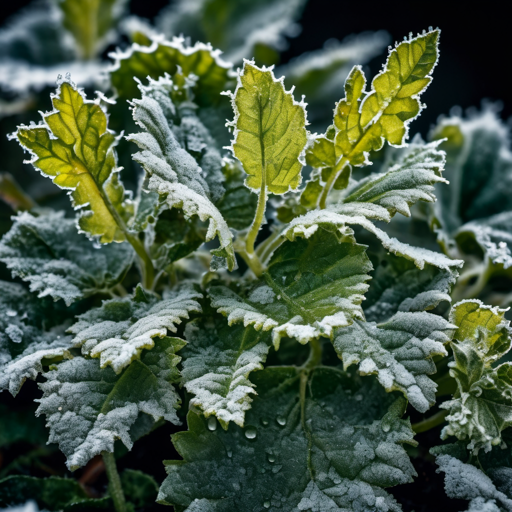
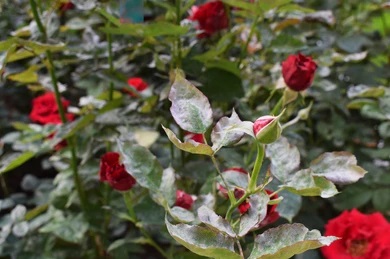
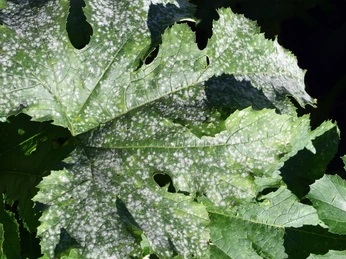
Powdery mildew is a disease caused by the fungus Podosphaera aphanis that affects many horticultural crops, trees, and woody ornamentals. It’s characterized by the dusty white or grey powdery growth on the leaves and stems. Effected fruit may look as if it’s covered in a dusty powder.
AFFECTS: Cucumber, Zucchini, Tomato, Rosemary, Peonies, Barley, Cannabis, Roses, Grass, and Fruit
CAUSE: High humidity, excess shade (causes poor evaporation and water retention), excessive moisture, poor airflow (especially for condensed foliage.
SOLUTION: Mulch under vegetation around base of plant to help prevent Powdery Mildew on fruits. Ensure enough sunlight for plant.
Spray with Homemade Antifungal Spray: Spraying the plant, including the underside of the leaves.
Remove affected leaves: Prune away and yard waste infected leaves, either burn or yard waste. Do not compost, which may enable spores to survive and spread. For rotating and pop-up irrigation, water early morning rather than at night to prevent overnight mildew growth on leaves. Hole punch and porous pipe irrigation may both help by keeping foliage dry.
Root Rot

Root rot is a disease that affects the roots of plants growing in wet or damp soil. It may be lethal to both indoor and outdoor plants, but some plants may be propagated to prevent them from being lost completely
AFFECTS: All plants, especially water intolerant plants, potted plants, and indoor plants
CAUSE: Overwatering, too much moisture retention, poor drainage
SOLUTION: Cut off dead roots, stems, and leaves. Adjust irrigation amount and frequency. Repot the plant in to fresh, well-drained soil, ensure pots have proper drainage. Place plant in location with sufficient lighting.
Rust
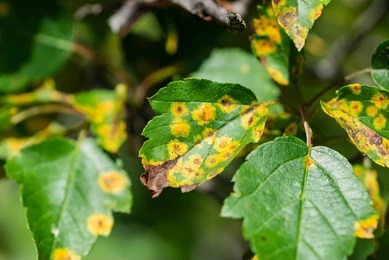
NOTE: DO NOT COMPOST plants affected by rust. Instead, burn or yard waste them. Rust may survive in compost piles for over a year and spread to the soil and plants if the compost is used in the garden. Rust may also produce long-lived dormant spores that may overwinter, which may increase the risk of other diseases in the following year.
DO NOT CONSUME plants that have developed Rust.
Rust is a fungal disease that affects the aerial parts of plants, most commonly the leaves, but also stems, flowers, and fruit. Rust is caused by more than 7,000 species of fungi, and each type has its own distinctive symptoms. Rust may appear as bright red, orange, yellow, or brown spots on the leaves. As spores form, the spots turn reddish-orange and eventually black. The disease causes leaves to eventually die and fall off and the plant will become stunted.
AFFECTS: Beans (soybeans, peas), vegetables (corn, asparagus, onions, sweet potatoes), berry crops such as raspberries, grains (barley, oat, and wheat), cotton, trees, shrubs, ground cover, grasses, bulbs, ornamental flowers (roses, geraniums, carnations, snapdragons, calendulas, gerberas)
CAUSE: Plant rust is caused by a group of fungi called rust fungi, which are obligate parasites that may only survive by feeding on live plant tissue. They may infect leaves, twigs, branches, and trunks.
SOLUTION: Reduce irrigation amount and frequency. Repot the plant in to fresh, well-drained soil, ensure pots have proper drainage. Place plant in location with sufficient lighting.
Remove affected leaves: Cut off the infected roots, stems, and leaves (do not remove more than 1/3) and either burn or yard waste, do not compost.
Improve air circulation: Dig up plants, amend the soil with healthy soil and mix. Then space plants farther apart to allow air to circulate around and through the plant. This helps the plant dry faster and creates conditions where rust won’t thrive.
Spray with neem oil: Mix one part neem oil with two parts water and spray the solution on the plant, including the underside of the leaves.
Salt exposure
Salt stress causes to have nutritional and hormonal imbalances, ion toxicity, and increased susceptibility to disease. Symptoms include stunted growth, burned leaf edges, dehydration symptoms, yellowing and browning crunchy leaves, discolored foliage, early leaf drop, premature fall color, reduced ability to absorb nutrients, yield reduction, and death.
AFFECTS: Plant with salt intolerance, plants by the ocean or near salt marshes, plant on the side of the road or sidewalk
CAUSE: Could be from salting icy roads, salt contact (salt pools, seaside spray), or salt in the wind near the ocean or salty marshes.
SOLUTION: Relocate plant somewhere without contact to the salt exposure. Salt damage is often more severe on the side of a plant facing a road or sidewalk. To reduce damage from salt spray, cover plants with burlap or other materials. Consider using non-sodium de-icing agents, such as calcium chloride or calcium magnesium acetate (CMA).
Accidentally watered with salt water: If a plant is accidentally watered with salty water, try removing the plant from the pot, wash the soil from the roots with clear water, and repot. Rinsing the soil may help though may deplete soil of nutrients.
Temperature (Too cold)

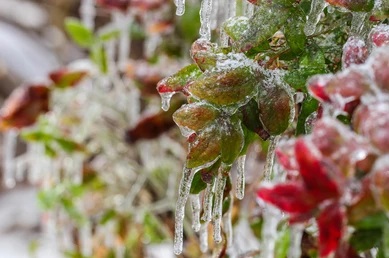
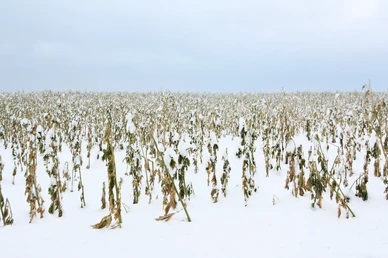
Symptoms: Leaves curling, wilting, drooping, changing color, developing spots, patches, or streaks of white, yellow, red, purple, brown, or black, plant parts turning brown and mushy, discolored or black stems, defoliation.
AFFECTS: Cold sensitive plants, unprotected shallow root systems
CAUSE: Temperature too cold for the plant, sudden freezes
SOLUTION: Place plant in location with sufficient temperature and lighting.
Watering: In cold weather, water plants by hand or hose in the middle of the day so the water has time to soak in before freezing.
Protecting Potted Plants: Look up plant toxicity prior to bringing plants indoors, dogs and cats may eat plants brought indoors. The day before a freeze, cover plants with frost cloth or a blanket that may get damaged and secure with heavy objects such as rocks to prevent from blowing away. For small pots, either bring indoors or if keeping outside, cluster pots together and cover.; For larger pots, carefully lay down the plant and cover.
Removing Damaged Foliage: The damaged foliage may act as a blanket of protection for plants until the Spring. After the last frost date, cut off dead branches and leaves to encourage healthy growth and air circulation.
Watering, Overwatering
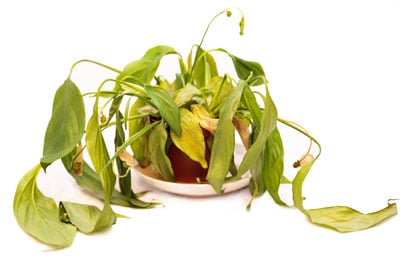
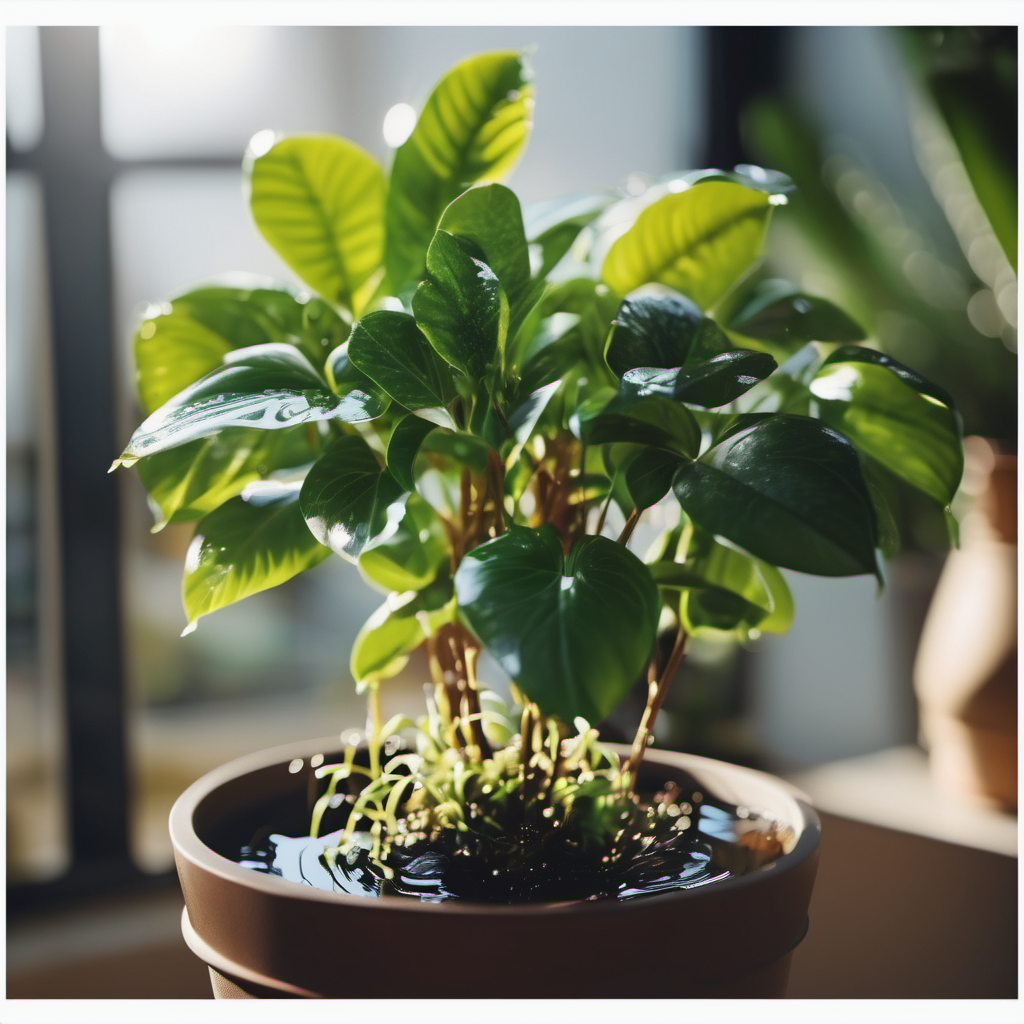
Overwatering may cause plants to wilt, yellow, and drop leaves. The primary symptom of overwatering is wilting or yellowing of the lower and inner leaves. Other signs include wilted, limp leaves, soft yellow leaves, leaves with brown or black spots (the spots are a sign of disease), and new growth may turn yellow and fall off. Overwatering may also cause the roots to die, which may negatively affect water uptake. Roots need air to breathe, and healthy soil allows for oxygen to exist in the space between particles of soil. When there is too much water, the soil becomes saturated, displacing air and starving the roots of oxygen, potentially rotting the roots.
AFFECTS: All plants, especially water intolerant plants, potted plants, and indoor plants
CAUSE: Overwatering, too much moisture retention, poor drainage
SOLUTION: Most plants will recover from overwatering within 7–14 days if they’re given proper care, which includes rehydration.
One of the main reasons a plant becomes overwatered is because the pot does not have the proper drainage. A hole in the bottom of the plant pot allows the soil to be thoroughly watered and any excess water to seep out.
Cut off dead roots, stems, and leaves. Adjust irrigation amount and frequency. Repot the plant in to fresh, well-drained soil, ensure pots have proper drainage. Place plant in location with sufficient lighting.
Animal Pests
Climbing Pests
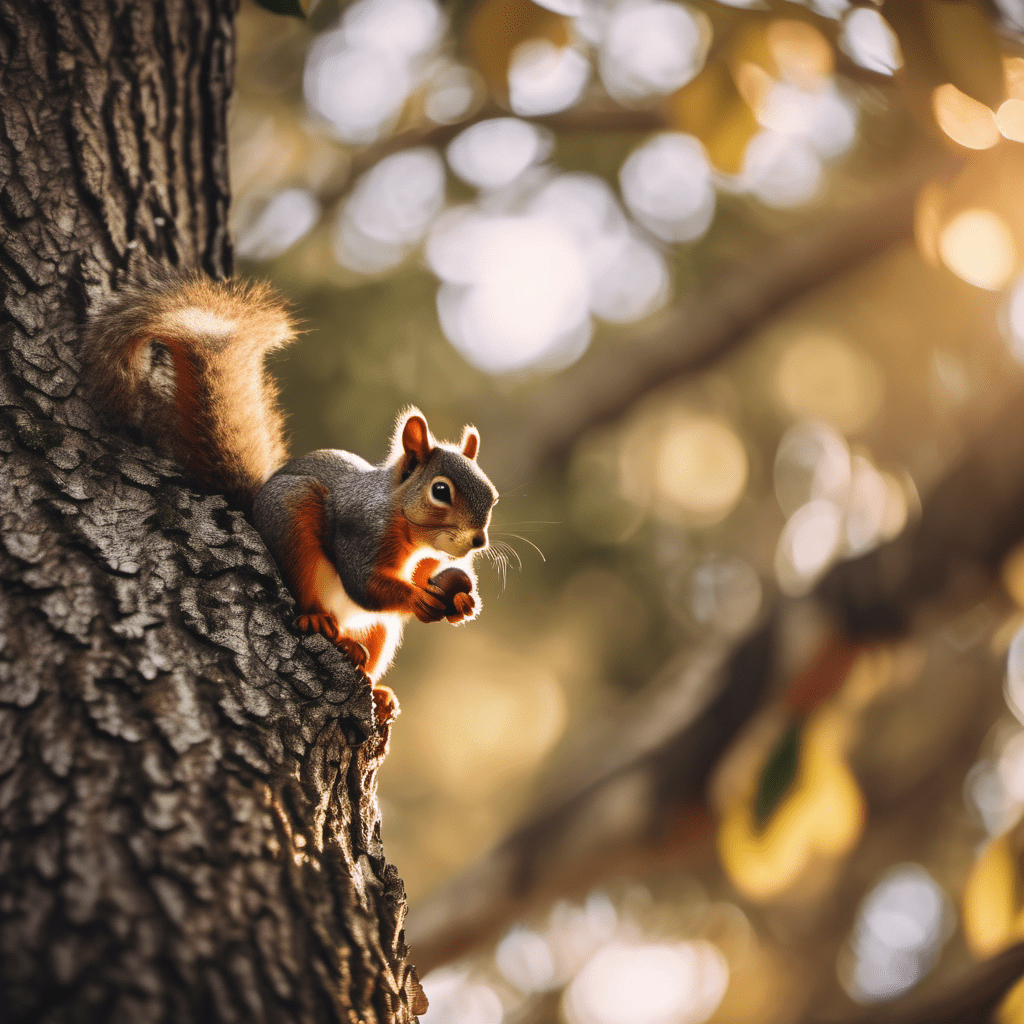

Squirrels: A wild neighbor and fellow gardener (they plant acorns when they bury them to hide them for later!) or sometimes a nuisance in gardens. Squirrel may damaging plants, dig holes, and eat vegetables and berries. (My squirrels stick to their Live Oak acorn trees and eat the pistachios I put out for them, causing me no trouble.) Squirrels may jump from tree to tree canopy, a climb-proof fence won’t work in this case!
Rats: May damage gardens and expose people and pets to diseases.
Raccoons: Raccoons are disease-carrying mammals which are primarily nocturnal mammals and have sharp claws. They may climb most home materials, including wooden and chain link fences, and the walls of a house. However, baby raccoons have a hard time climbing over fences that are 5–6 inches high, while adult raccoons may climb fences that are taller than 8 inches.
AFFECTS: Garden vegetable and fruit plants, plants that attract animals as a natural source of food (could be ornamental plants that are inedible to humans, such as roses for squirrels)
CAUSE: These hungry critters have a natural instinct to forage and they’re here on Earth to reap with us!
SOLUTION:
Homemade Animal Repellent Spray: CLICK HERE FOR RECIPE, INGREDIENTS, INSTRUCTIONS, AND EXPLANATION
Ground Cayenne Pepper: Sprinkle on animal trails, dug holes, and around plants to deter large animals. Many animals dislike cayenne pepper as it overwhelms their senses with spiciness. Wind blows the application away, rain and irrigation wash it away, and time neutralizes this affect. Buy in bulk and apply every few days as an inexpensive means of pest control.
Squirrels:
1. Plant squirrel-repelling flowers: Try nasturtiums, marigolds, mustard, allium, daffodils, geraniums, hyacinths, lily-of-the-valley, and impatiens. Avoid planting bulbs like tulips and crocuses.
2. Cover plants with hardware cloth, chicken wire, plastic bird netting, or summer weight row covers to protect plants or beds. Consider wrapping individual fruits in bird netting.
3. Use squirrel-proof bird feeders and place on isolated poles at least 5–6 feet off the ground. Squirrels love sunflowers seeds, try switching to safflower seeds which are high in protein and fat.
4. Anti-climb fences or electric fences.
Rats and Raccoons:
1. Deter rats and raccoons from entering your yard or garden with anti-climb fences, electrical fence, and heavy-duty wire mesh.
2. Do not feed them and promptly clean up any human of pet food from outside.
3. Remove water sources, such as dripping taps, secure drains, and add baffles to drainpipes.
4. Cover any outdoor compost piles to prevent raccoon foraging, and make sure trash bin lids are secure or critter-proof.
5. Keep yard and porches free of debris, which makes raccoons more curious and comfortable to explore.
6. Raccoons may squeeze through small spaces, check for any holes or cracks around the home and seal them. If the home has a chimney, cover it with a screen.
7. Motion-activated LED lights may scare raccoons off property.
Digging Pests


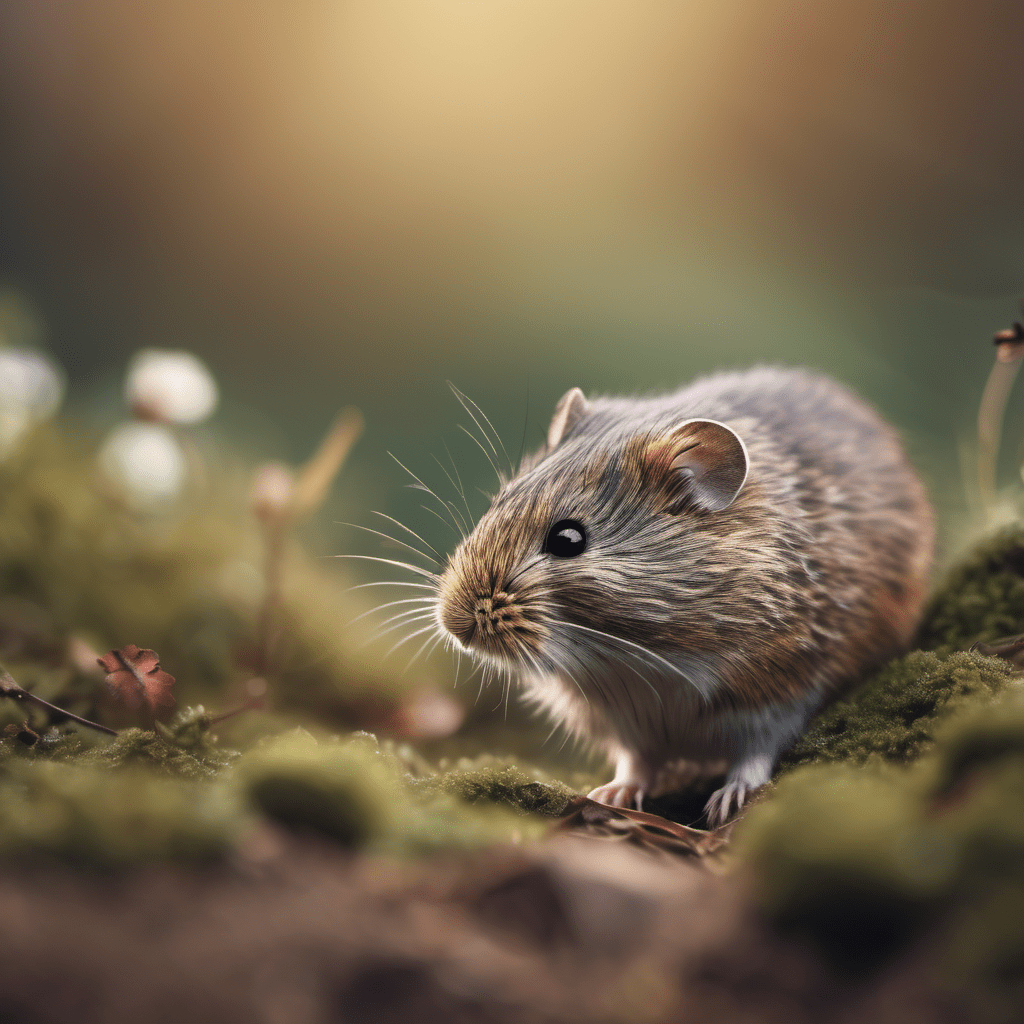
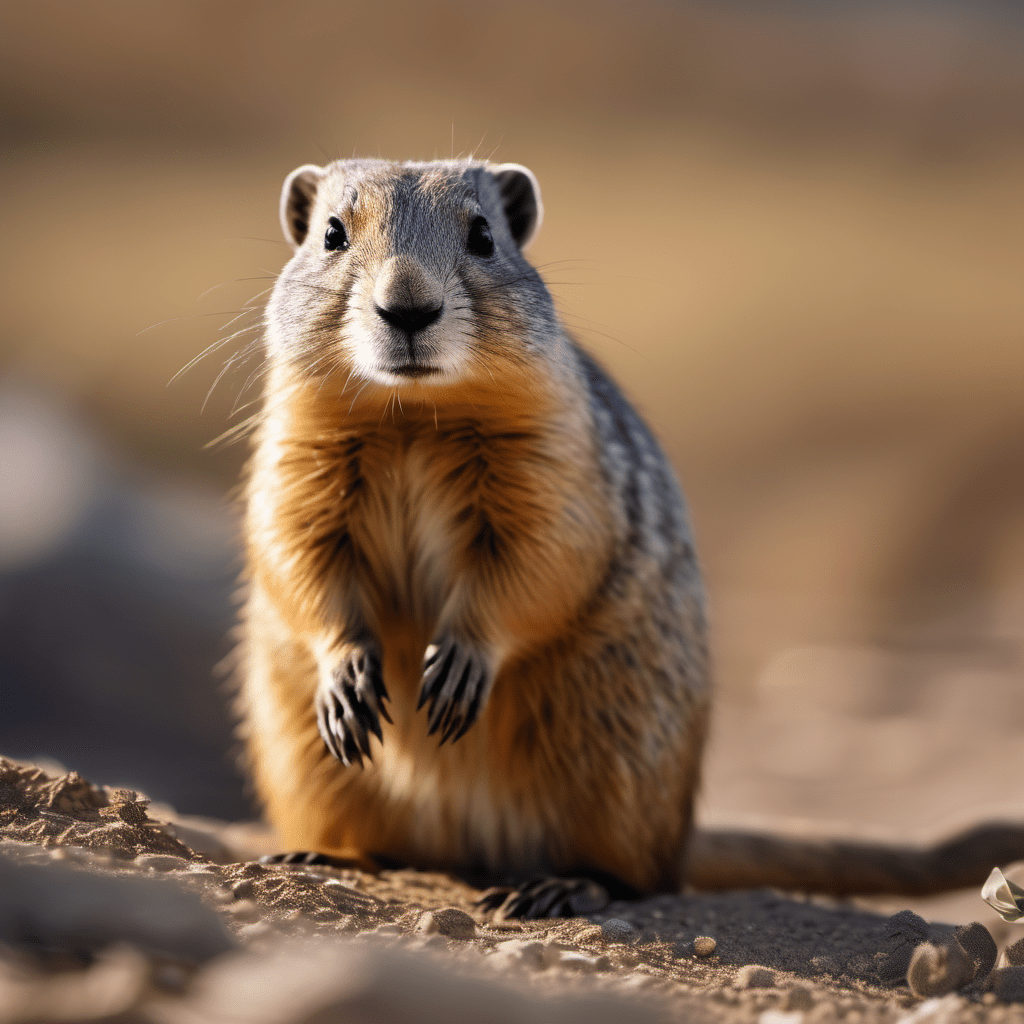
Pocket gophers, moles, voles, prairie dogs, armadillos, ground squirrels, groundhogs, rabbits dig holes in yards for food, shelter, and nesting, and may be considered pests. The size, shape, and location of the holes may help identify the type of mammal responsible.
Other animals that may dig are skunks, raccoons, squirrels, and chipmunks.
AFFECTS: Garden vegetable and fruit plants, plants that attract animals as a natural source of food (could be ornamental plants that are inedible to humans, such as marigolds for rabbits)
CAUSE: These hungry critters have a natural instinct to forage and they’re here on Earth to reap with us!
SOLUTION:
Homemade Animal Repellent Spray: CLICK HERE FOR RECIPE, INSTRUCTIONS, AND EXPLANATION.
Ground Cayenne Pepper: Sprinkle on animal trails, dug holes, and around plants to deter large animals. Many animals dislike cayenne pepper as it overwhelms their senses with spiciness. Wind blows the application away, rain and irrigation wash it away, and time neutralizes this affect. Buy in bulk and apply every few days as an inexpensive means of pest control.
Barriers: Burying galvanized welded poly-coated wire mesh or galvanized hardware cloth as an acts as a physical blockade for underground pests. Bury galvanized barrier along standing fences or as a perimeter around a vegetable garden. If a garden has no above ground barrier, adding a fence, wire fencing, mesh netting, or material covering (frost cloth, tarps, sheets, etc.) help prevent easy access for digging pests and other small animals. Adding wire supports (rods or hoops) and covering with a mesh or net that allows sunlight in may help create a protective tunnel or tent for vulnerable plants to grow in. Be sure to give enough room in the tunnels above plants to continue growing. Bricks, stones, or stakes may be used to secure coverings (be mindful that tension from coverings could potentially damage delicate branches.)
Large Animals

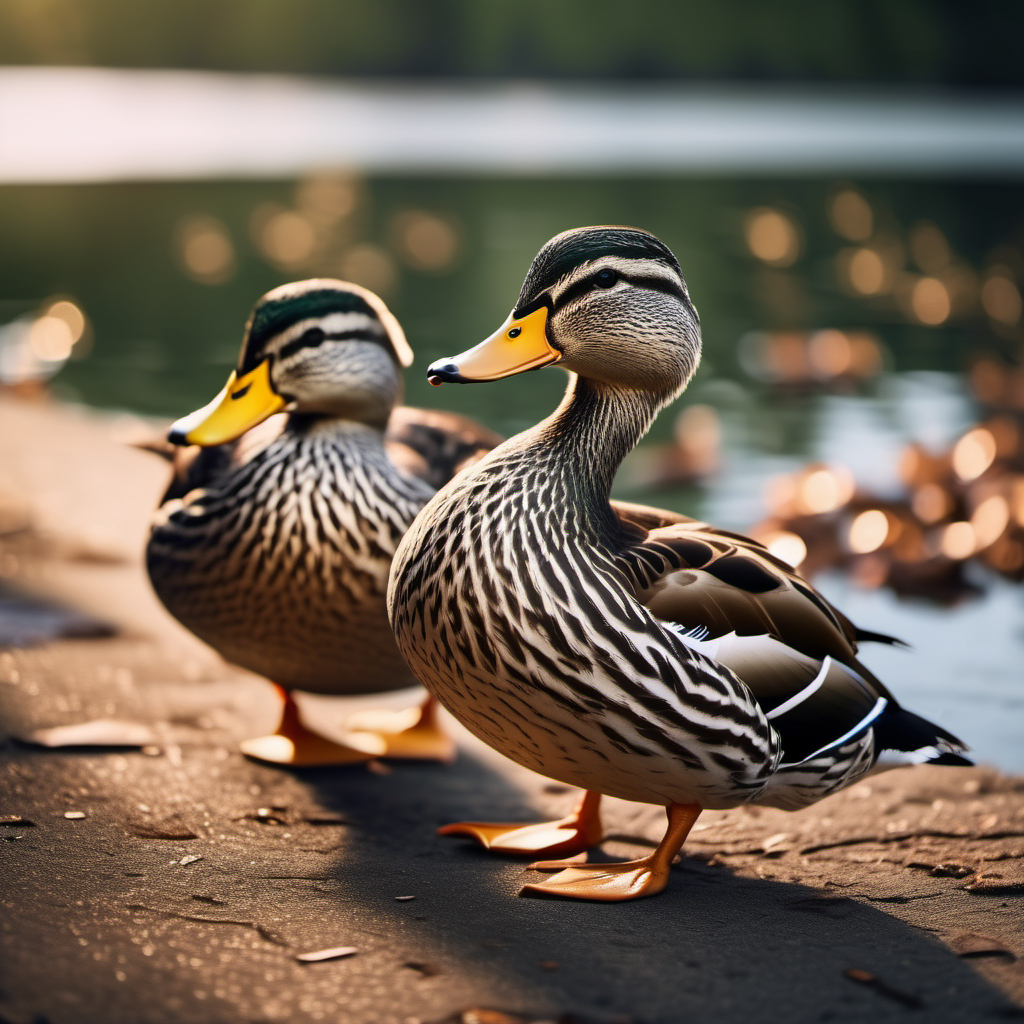

Geese: Geese are large birds that may also be destructive to gardens. They will eat grass, leaves, and vegetables. Geese may also be noisy and aggressive, and they may attack people or pets.
Ducks: Ducks may be beneficial to gardens because they eat slugs and other pests. However, ducks may also damage plants by trampling them and eating their leaves.
Crows: These intelligent birds may raid gardens for fruits and vegetables, especially corn.
Wild Turkeys: Wild turkeys may scratch and damage gardens while foraging for food.
Deer: Large mammals that may cause a lot of damage to gardens. They will eat a variety of plants, including flowers, vegetables, and shrubs. Deer may also trample plants and damage trees by rubbing their antlers on them.
Bears: They will eat a variety of plants, including fruits, vegetables, and flowers. Bears may also damage trees and other structures in the garden.
AFFECTS: Garden vegetable and fruit plants, plants that attract animals as a natural source of food (could be ornamental plants that are inedible to humans, such as crotons for deer)
CAUSE: These hungry critters have a natural instinct to forage and they’re here on Earth to reap with us!
SOLUTION:
Homemade Animal Repellent Spray: CLICK HERE FOR RECIPE, INGREDIENTS, INSTRUCTIONS, AND EXPLANATION
Ground Cayenne Pepper: Sprinkle on animal trails, dug holes, and around plants to deter large animals. Many animals dislike cayenne pepper as it overwhelms their senses with spiciness. Wind blows the application away, rain and irrigation wash it away, and time neutralizes this affect. Buy in bulk and apply every few days as an inexpensive means of pest control.
Duck, Geese, Crow, and Turkey: Raise a fence or use animal repellent. You may also make your garden less attractive to by removing water sources and food sources.
Deer: Consider planting varieties that don’t attract deer such as fig trees, root vegetables, especially onions, and garlic which are considered “stinky”, (which also require digging), and prickly vegetables such as cucumbers and squashes with hairy leaves. Other deer resistant plants include ferns, butterfly bush, marigolds, echinacea, beebalm, sage, ornamental salvia, and lavender.
Bear: Spray garbage areas with disinfectants to reduce odors, and clean grills after each use. Store human food, pet food, and bird feeders in airtight containers, and double bag garbage. To scare bears away, loud noises such as boat horns, gunshots, and barking dogs may oftentimes be enough. Spraying chili pepper spray on plants may help.
Barriers: Deer may hop over fences, consider purchasing a very tall fence. A non-climbing fence would deter deer, raccoons (who climb and dig), and other small mammals such as rabbits. Barrier options include tall fences, electrical fences, and wire fencing. Mesh netting and material covering (frost cloth, tarps, sheets, etc.) are cheaper, though may be destroyed easier by exploring and hungry bears. Adding wire supports (rods or hoops) and covering with a mesh or net that allows sunlight in may help create a protective tunnel or tent for vulnerable plants to grow in. Be sure to give enough room in the tunnels above plants to continue growing. Bricks, stones, or stakes may be used to secure coverings (be mindful that tension from coverings could potentially damage delicate branches.)
Insect Pests
Organic sprays on the market are used to control soft-bodied insects such as aphids, scale, and mites. Store-bought brands are usually made of fish oil (sometimes combined with neem or jojoba), which covers the bug’s exterior and inhibits respiration, thereby killing them. Soft bodied pests bite into leaves and suck the sap, which weakens the foliage. This act may spread viral, bacterial, and/or fungal diseases.
Ally Insects
There are beneficial insects such as bees, butterflies, ladybugs, lacewings, and dragonflies that eat unwanted insects. Ally insects may consume aphids, scale, spider mites, mealybugs, leafhopper nymphs, moth eggs, and whiteflies.
Aphids
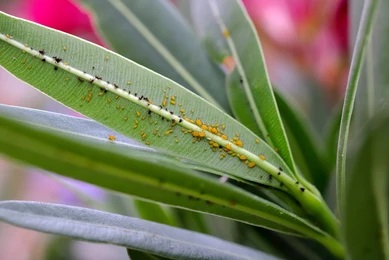
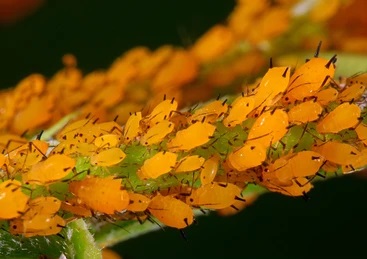
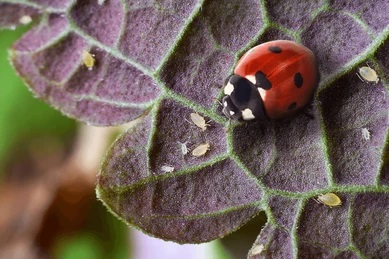
Aphids are small, soft-bodied insects that cause leaf discoloration, yellowing, curling, and stunted growth.
AFFECTS: Potatoes, tomatoes, peppers, spinach, cabbage, eggplant, morning glory, watermelons, cucumbers, asparagus, eggplant, asters, hollyhocks, iris, verbena, lilies, rudbeckia, coneflower, sunflowers, milkweed, oleander, etc.
CAUSE: Aphids feed on the juices from leaves and stems of plants, damaging a wide variety of host plants. Large infestations may produce honeydew, a sticky, sugary waste product that may attract ants and fuel fungus growth on plant
SOLUTION:
Beneficial Insects: Release ladybugs (lady beetles) or lacewings.
Neem Spray: Mix neem oil with water and spray on foliage, this natural insecticide suffocates and dehydrates aphids. Alternatively, use a Soap & Oil Insecticide Spray, CLICK HERE FOR RECIPE. The saponins in dish soap coat and starve aphids of water and oxygen. Insecticidal soaps rapidly degrades outdoors and washes off of leaf surfaces with rain or spray bottle watering. Strong sprays of water may also help reduce the amount of aphids on a plant.
Physical Resolution: Remove damaged leaves, and squish aphids. If compact enough, bring potted plant to a sink and gently rinse the aphids off the foliage and down into the drain. Repot the plant in to fresh soil. If indoor plant is heavily infested, consider planting outside.
Flea Beetles
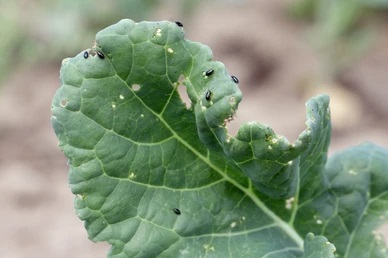
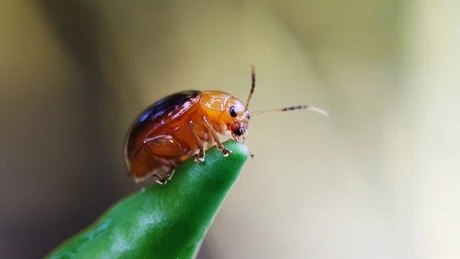

Flea beetles are small, hard-shelled insects with enlarged hind legs that allow them to jump like fleas when threatened. They are usually 1/16 to 1/8 inch long and may be brown, green, metallic-blue, black, bronze, or bluish in color. Some species have stripes or spots. Flea beetles usually move by walking or flying, but may jump a considerable distance when alarmed.
AFFECTS: Young plants and seedlings are particularly susceptible to flea beetle damage. Growth may be seriously retarded and in severe infestations plants may be killed.
CAUSE: Adult flea beetles cause more damage than their larvae. They feed on the leaves and stems of plants, creating shallow pits and small, irregular holes in the leaves.
SOLUTION:
Beneficial Insects: Release ladybugs (lady beetles) or lacewings.
Natural Predators: Birds, frogs, ground beetles, lacewing larvae, adult bigeyed bugs, damsel bugs, braconid wasps, tachinid flies, and ladybugs all eat flea beetles.
Neem Spray: Mix neem oil with warm distilled or tap (not hard water) water and spray on foliage, this natural insecticide suffocates and dehydrates flea beetles.
Homemade Soap & Oil Insecticide Spray: CLICK HERE FOR RECIPE. The saponins in dish soap coat and starve flea beetles of water and oxygen, while the oil helps the spray stick. Insecticidal soaps rapidly degrades outdoors and washes off of leaf surfaces with rain or spray bottle watering.
Water: Strong sprays of water may also help reduce the amount of flea beetles on a plant, though the pests will return later if they didn’t drown.
Diatomaceous Earth: Evenly sprinkle on the ground or sparsely cover around the base of plants. Use infrequently, at times such as during plant fruiting stages or with severe pest problems, as diatomaceous earth may negatively effect bees (who are very active during plant’s flowering stages). This natural, cost-effective, and fast-acting option prevents eggs from being laid and gets rid of larvae.
Physical Resolution: Squish flea beetles. If compact enough, bring potted plant to a sink and gently rinse the flea beetles off the foliage and down into the drain. Repot the plant in to fresh soil. If indoor plant is heavily infested, consider planting outside.
Scale
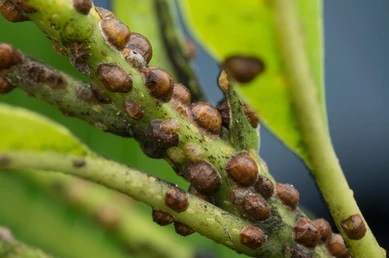
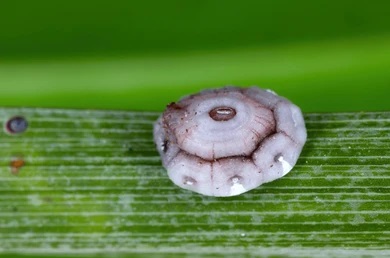
NOTE: Scale spreads quickly, an infestation may kill a plant quickly and spread to all surrounding plants.
Scale insects may be oval or round in shape, and they are mostly immobile, appearing more like shell-like bumps than insects. They may be found on the underside of leaves, on branches and stems, and hiding in internodes. Scale may become difficult to control because many species are so small that they blend into the bark of woody plants.
SYMPTOMS: Shiny brown bumps on the leaves or stem, white fuzzy substance left behind by the scale from feeding, yellowing leaves, and curling leaves.
AFFECTS: Shade trees, conifers, magnolia, hollies, broadleaf evergreen shrubs, palms, schefflera, ferns, asparagus fern, camelia, begonia, chrysanthemum, lily, orchids, many non-woody evergreen plants, fruit trees, citrus, fig rosemary, pomegranate, passion fruit, olive, coffee, bay laurel, euonymus
CAUSE: Scale insects are a parasite that infest a plant’s leaves and stems and suck sap from plants through their mouth parts. Heavy infestations may cause yellowing or wilting of leaves, stunting or unthrifty appearance of the plants, and eventually death of all or part of the plant.
SOLUTION:
Beneficial Insects: Release ladybugs (lady beetles) or lacewings.
Natural Predators: Birds, parasitic wasps, beetles, flies, harvestmen, earwigs, tree crickets, ants, rove beetles, predatory mites, spiders, pathogenic fungi, and lady bugs (lady beetles), lacewing and lacewing larvae, all eat scale.
Removing Affected Foliage: Prune away branches and stems with heavy infestations and either burn or yard waste, do not compost. Applying an natural insecticide spray afterwards is suggested.
Neem Spray: Mix neem oil with warm water (distilled or tap, not hard water) and spray on foliage, this natural insecticide suffocates and dehydrates scale.
Homemade Soap & Oil Insecticide Spray: CLICK HERE FOR RECIPE. The saponins in dish soap coat and starve scale of water and oxygen, while the oil helps the spray stick. Insecticidal soaps rapidly degrades outdoors and washes off of leaf surfaces with rain or spray bottle watering.
Physical Resolution: Remove or squish scale, dropping them in a cup of mixed soapy water to drown. If compact enough, bring potted plant to a sink and gently rinse the scale off the foliage and down into the drain. Repot the plant in to fresh soil.
Snails and Slugs
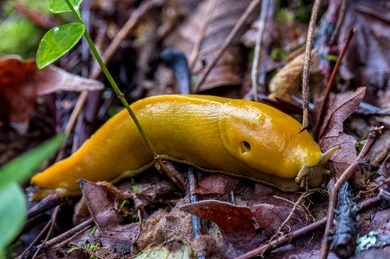
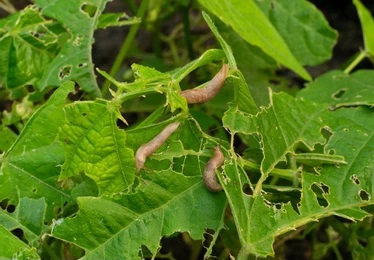
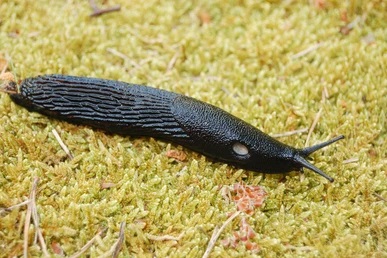
Snails and slugs have three life cycle stages: eggs, immature, and adults. They may overwinter in any stage, hiding in protected areas like burrows, under decaying vegetation, or in loose bark, stones, clods of earth, boards, and logs. During long dry spells, slugs will encase themselves in a papery cocoon and attach themselves to a tree or wall. Snails will seal their shell opening with a dry layer of mucus called an epiphragm.
AFFECTS: They are attracted to moist areas, especially those with mulch, leaves, straw, or sod, and they like to lay their eggs in areas that have been raked or hoed. Snails and slugs prefer moist and decaying vegetation, and they are especially fond of plants in part to full shade. They are likely to damage beans, cabbage, lettuce, basil, and strawberries, Bellflower (Campanula), Larkspur (Delphinium), Plantain lily (Hosta), Daylily (Hemerocallis), Dahlia, and Lungwort (Pulmonaria).
CAUSE: Snails and slugs are active in cool, moist, shaded areas from spring to fall, and are usually most active at night. They eat a wide variety of plants, including young seedlings, mature plants, and turfgrasses, and may cause damage to gardens and flower beds.
SOLUTION:
Natural Predators: Birds, shrews, ducks, starlings, toads, frogs, turtles, newts, hedgehogs, snakes, beetles, and slowworms all eat snails and slugs.
Use Barriers: Snails and slugs don’t like sharp or prickly materials, such as ash, bark, cat litter, cocoa chips, sawdust, sand, and horticultural grit.
Neem Spray: Mix neem oil with warm distilled or tap (not hard water) water and spray on foliage, this natural insecticide suffocates and dehydrates snails and slugs.
Diatomaceous Earth: Evenly sprinkle on the ground or sparsely cover around the base of plants. Use infrequently, at times such as during plant fruiting stages or with severe pest problems, as diatomaceous earth may negatively effect bees (who are very active during plant’s flowering stages). This natural, cost-effective, and fast-acting option binds to snails and slugs as they pass over it, pulling moisture from their bodies, thus fatally dehydrating them
Salt: Sprinkle some salt directly on snails and slugs. Salt is an excellent dehydrator that is known to kill snails and slugs.
Physical Resolution: Hand pick the snails or slugs and relocate.
Spider Mites
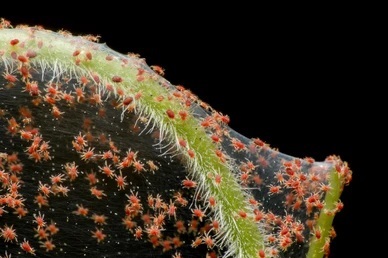
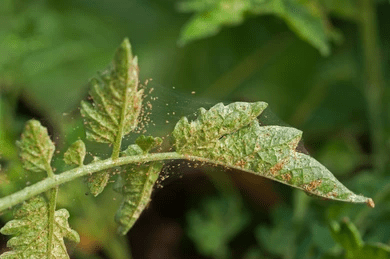
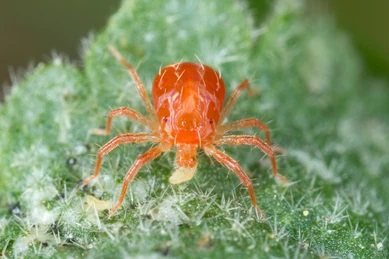
Spider mites are microscopic arachnids that are common pests in gardens and yards. They have four pairs of legs, no antennae, and an oval body. Spider mites thrive in hot, dry weather.
AFFECTS: Fruits, vegetables, annuals, perennials, evergreens, indoor plants, etc.
CAUSE: Spider mites feed by bruising plant cells with their small, whiplike mouthparts and ingesting the sap. Spider mites produce a fine silk webbing, often found at leaf nodes or the undersides of leaves, which may kill plants or cause serious stress to them.
SOLUTION:
Beneficial Insects: Release ladybugs (lady beetles) or lacewings.
Natural Predators: Predatory thrips, minute pirate bugs, predatory mites, ladybugs (lady beetles), and lacewings all eat spider mites.
Neem Spray: Mix neem oil with warm water (distilled or tap, not hard water) and spray on foliage, this natural insecticide suffocates and dehydrates spider mites.
Homemade Soap & Oil Insecticide Spray: CLICK HERE FOR RECIPE. The saponins in dish soap coat and starve spider mites of water and oxygen, while the oil helps the spray stick. Insecticidal soaps rapidly degrades outdoors and washes off of leaf surfaces with rain or spray bottle watering.
Water: Strong sprays of water may also help reduce the amount of spider mites on a plant, though the pests will retreat to the soil and resurface later if they didn’t drown.
Physical Resolution: Remove leaves with webbing or nutrient deficiencies, and squish spider mites. If compact enough, bring potted plant to a sink and gently rinse the spider mites off the foliage and down into the drain. Repot the plant in to fresh soil. If indoor plant is heavily infested, consider planting outside.
Mealybugs
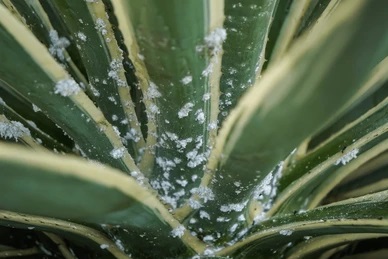
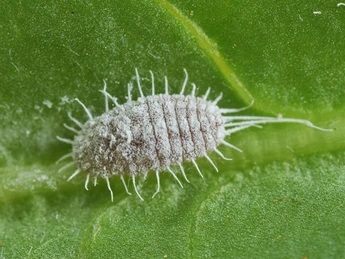

Mealybugs are soft-bodied, oval, unarmored scale insects that are covered in wax and live in warm, moist habitats. There are over 2,000 described species of mealybugs, and many are considered pests. They may be found in greenhouse plants, house plants, and subtropical trees. Mealybug infestation may result in several plant diseases.
AFFECTS: Indoor plants, greenhouse plants, subtropical trees, palms, philodendron, ficus, schefflera, ferns, orchids, jade, cactus, citrus, coleus, fuchsia, croton, poinsettia, hoya, begonias, tulips, etc.
CAUSE: Mealybugs feed on the juices from leaves and stems of plants, damaging a wide variety of host plants.
SOLUTION:
Beneficial Insects: Release ladybugs (lady beetles) or lacewings, both natural predators many soft-bodied insects.
Natural Predators: Birds, parasitic wasps, predatory mites, ladybugs (lady beetles), and lacewings all eat mealybugs.
Neem Spray: Mix neem oil with water and spray on foliage, this natural insecticide suffocates and dehydrates mealybugs. Alternatively, use a Soap & Oil Insecticide Spray, CLICK HERE FOR RECIPE. The saponins in dish soap coat and starve mealybugs of water and oxygen. Insecticidal soaps rapidly degrades outdoors and washes off of leaf surfaces with rain or spray bottle watering. Strong sprays of water may also help reduce the amount of mealybugs on a plant.
Physical Resolution: Remove damaged leaves, and squish mealybugs. If compact enough, bring potted plant to a sink and gently rinse the mealybugs off the foliage and down into the drain. Repot the plant in to fresh soil. If indoor plant is heavily infested, consider planting outside.
Thrips
 Vegan Botany