
New Gardeners
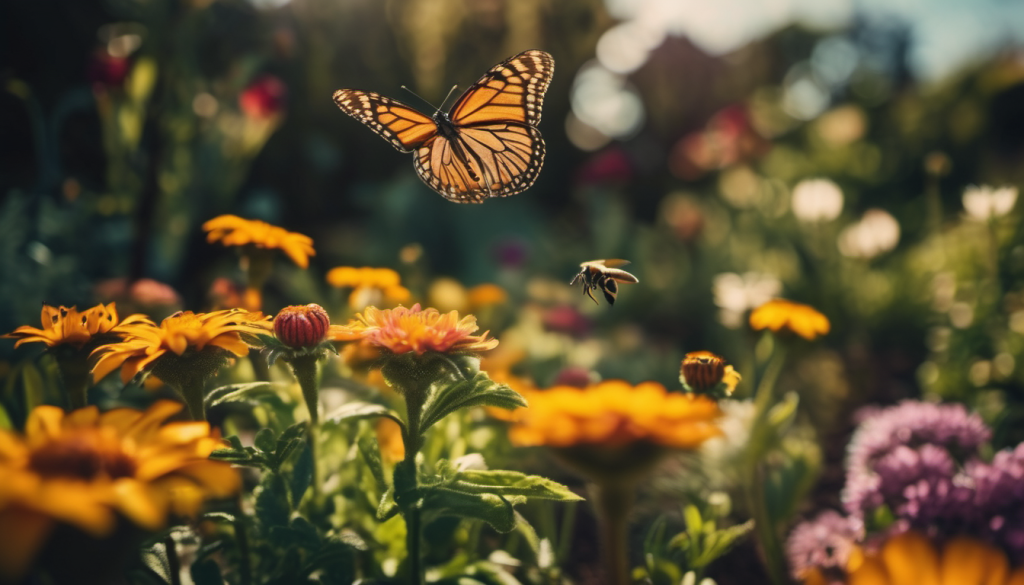
Being a new gardener is easy. Learn the basics and develop a passion with responsibility.
Plants are similar to people, requiring different factors to survive.
Plant Care Basics
💧 Water Requirements (How much and how often.)
☀️ Sunlight Requirements (Shade, Part Sun, or Full Sun and how many hours.)
🌱 Soil Type (Rich loam, nutrient-lacking sand, moist peat moss, etc.)
🌡️ Heat and Cold Tolerance (Temperature, drought, and frost tolerance, how many cold hours necessary to ripen fruit.)
 Soil pH preference (proper pH affects a plant’s health, growth, and ability to absorb nutrients.)
 Fertilizer requirements (Heavy fertilizer, moderate fertilizer, or no fertilizer.)
Starting Plants
Many new plants may be started from cuttings from a healthy, mature plant.
Culinary sprigs of fresh, organic herbs, preferably 3″ to 6″ length, may be saved to grow into new plants! Rinse gently and thoroughly by using fingers to delicately clean the leaves, and carefully remove the leaves from the lower section of the stem. Keep at least a few small leaves at the top of the stem to help the plant absorb light from the sun or a plant grow light to create roots.
Add the stems to a clean container, fill with clean water until the bare section of the stems is covered, which should be at least half of the stem. Keep the container by a window with a translucent curtain or a grow light at preferably 65°F to 75°F. Direct sun through a window that has glass without a protective covering, such as a curtain, exposes plants to sunlight that is amplified by the glass, causing the plant leaves to burn and wilt more easily. Replace the water each day for a month, and healthy roots should form within 1 month.
Plant the delicate roots carefully in organic soil, covering each root and not planting the stem any lower than where the roots have formed. Sparingly add ⅛ teaspoon of organic fertilizer around the stem and water every 2 to 5 days. The top 1″ of the soil should be dry prior to watering again.
Learn from the loss of a plant and learn how to prevent future problems. Evaluate the factor responsible for failure and adjust conditions appropriately.
Dangers and Hazards
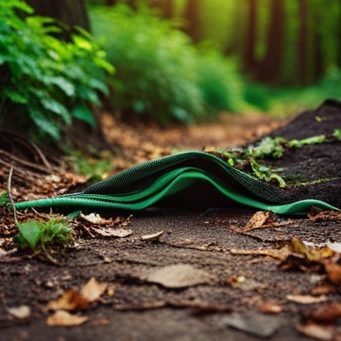
Learn how to properly use tools, fertilizer, fungicides, and pesticides. Respect animals and their natural habitat, provide alternative foods to attract them from out of the garden.
| Weather (Excessive sun exposure, thunder storms, tornadoes, tsunamis, etc.) | Harmful insects (Mosquitoes, bees, wasps, ticks, and scorpions) | Dangerous animals (Bears, wild cats, snakes, alligators, raccoons, and skunks) |
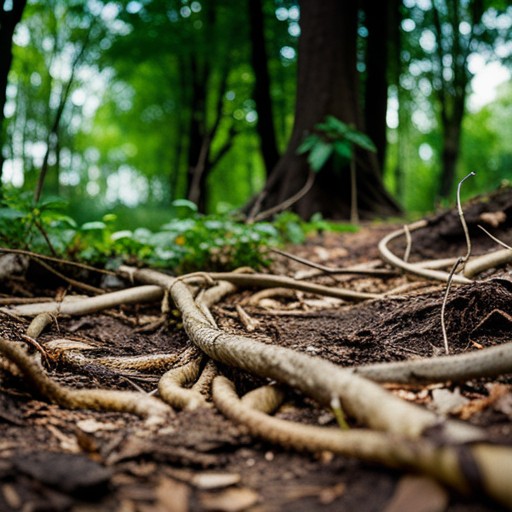
| Sharp or blunt gardening tools | Fertilizer or pesticide exposure | Safety hazards (Raised tree roots, low branches, and torn weed cloth) |
| Sharp or poisonous plants |
Sun Protection: Global temperatures are climbing and setting records, the harmful UV radiation reaching Earth’s surface is increasing. The sun’s rays are more potent than ever before, proper skin protection is critical to prevent sunburn, long-term damage, and skin cancer. Repetitive sunburns damage skin over time, increase premature skin aging, and increase the risk of skin cancer. Protect skin from the sun’s harmful ultra violet (UV) rays by applying sunscreen with SPF 50 or higher. Wear loose fitting, breathable material, such as 100% cotton, to add comfort and to prevent worsening irritation. Wearing thin garments that are loose fitting and provide full coverage to prevent the skin damage. Protect the face with a full brimmed hat while exposed to the sun.
WARNING: Cross contamination poses a threat with sick plants, a spray bottle with isopropyl alcohol may sanitize the blades. Keep aerosol away from eyes, consider wearing eye protection, and spray. Carefully wipe each flat side of the blade firmly and repetitively. Do not wipe along the sharp part of the blade or an accidental cut could occur on the skin. Spray again, this time dousing the blades until very wet, and allow the blades to soak for 1 minute, then wipe with a clean cloth.
Gardening Tools
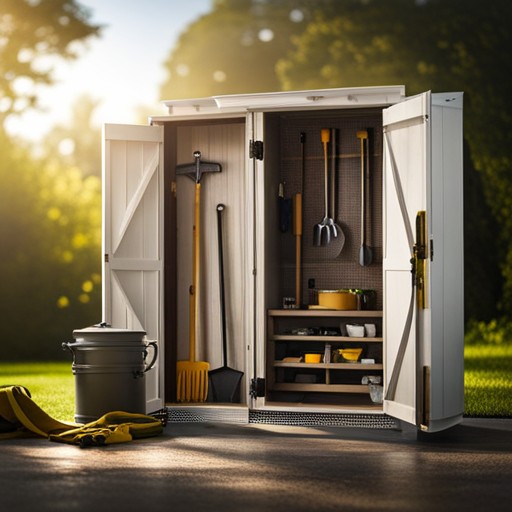
Cleaning, drying, and oiling (where necessary, such as with gardening shears) keeps equipment operational for as many years as possible. Store equipment out of the sun, to prevent drying rotting and cracking. Also store equipment out of the rain, in sheds, in waterproof storage bins. or under covered areas.
Necessities For Gardening
◦ Hat
◦ Sunscreen (SPF 50, CeraVe sells a sunscreen lotion with SPF 50 I use every time I work outside.)
◦ Long-sleeved, breathable shirt acts as natural sunscreen to help prevent sunburns and skin cancer, keeps the individual cool, and deters overheating.
◦ Shears
◦ Container to collect weeds, pruned stems and branches
◦ Watering Hose or Watering Can
◦ Shovel
◦ Rake
◦ Wheeled moving seat (optional)
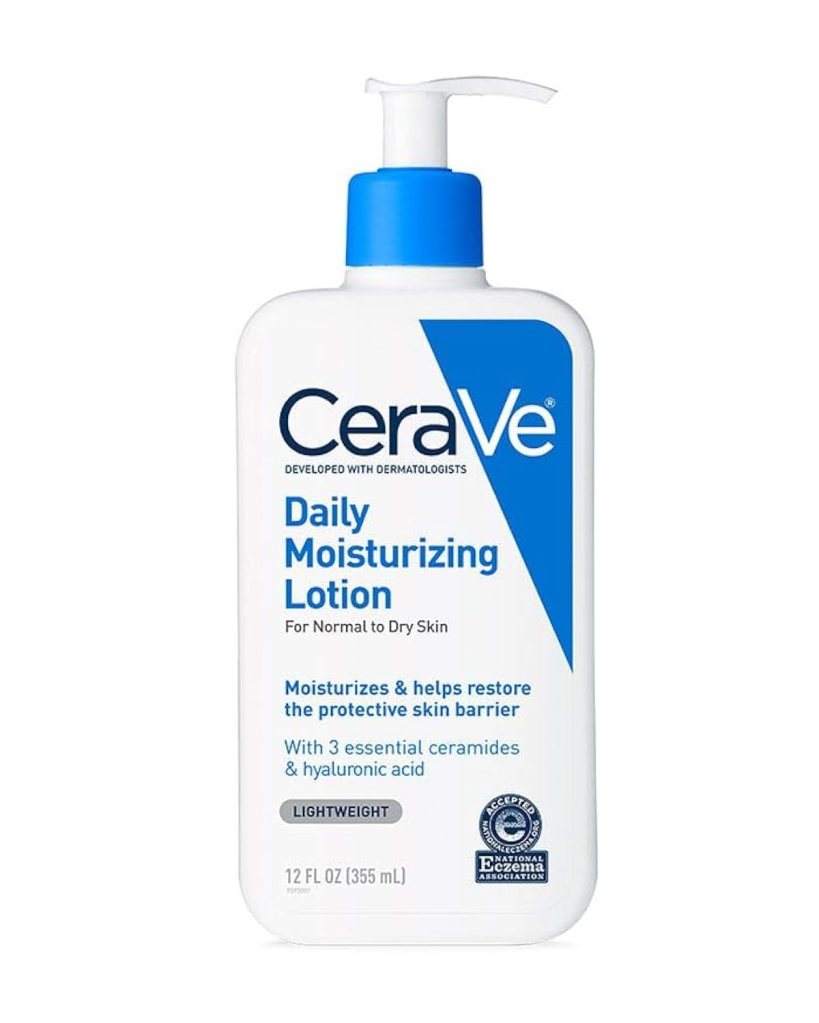
CeraVe Daily Moisturizing Lotion for Dry Skin (Fragrance Free and Oil Free, 12 fluid oz.)
$13.68
$1.14 each ounce
ONLY $12.31 ($1.03 each oz.) with Amazon’s Subscribe & Save

CeraVe AM Facial Moisturising Lotion SPF 50 (1.75 fluid oz.)
$18.99
$10.86 each ounce

