
The information provided on this site is for educational purposes only, please consult with a qualified healthcare professional regarding your specific health requirements.
Natural Herbalism
❗Never ingest essential oils, instead use organic fresh or dried herbs
Herbs and Spices
| Arnica | Holy Basil | Sweet Basil |
| Thai Basil | Cleavers | Dandelion |
| Echinacea | Eucalyptus | Field Horsetail |
| Ginger | Lavender | Lemon |
| Lemongrass | Mallow | Peppermint |
| Plantain | Rose | Rosemary |
| Sage | Thyme | Yarrow |
Arnica (Arnica montana)
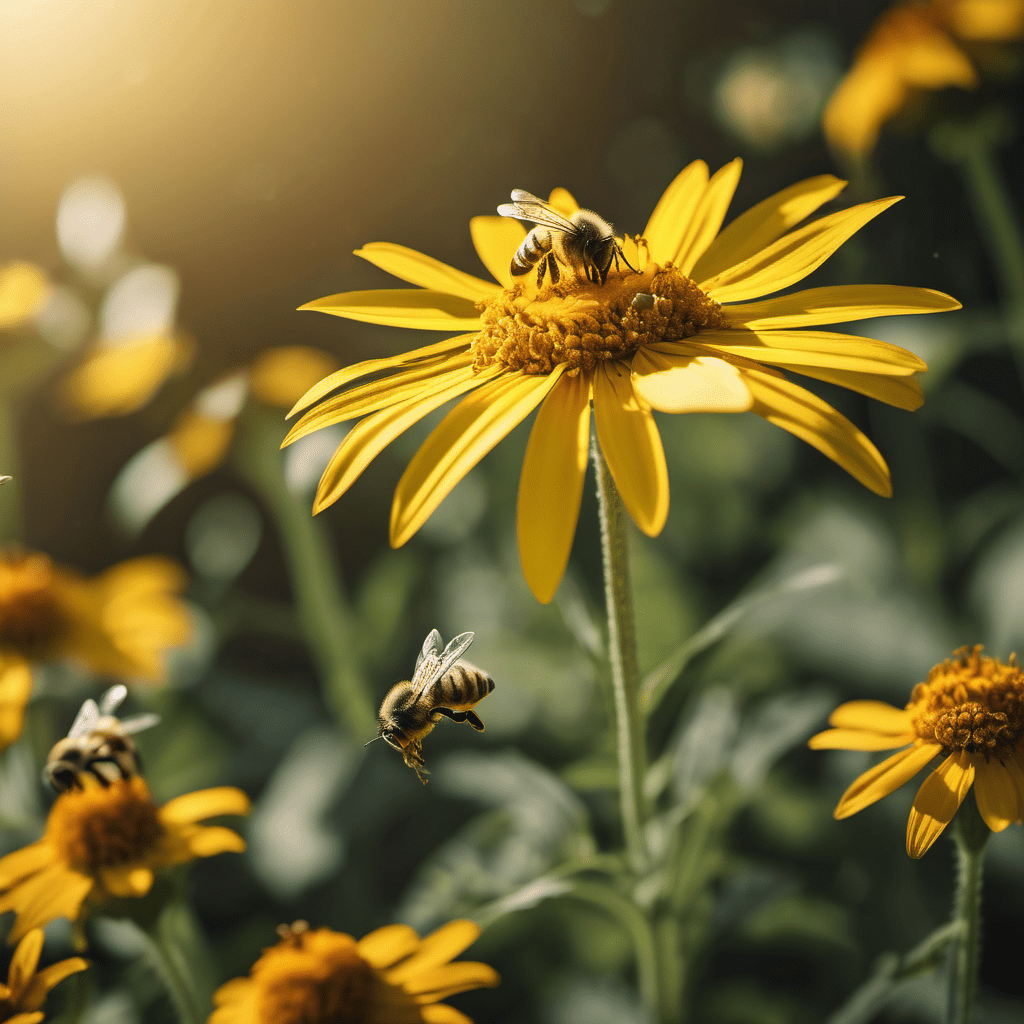
Description: Mountain Arnica is one of the most potent Arnicas and is usually the variety used for herbal remedies and store-bought arnica products. Roots contain thymol, which has antifungal properties. Plant also contains helenalin, which can be poisonous in large amounts.
FDA: Arnica classified as unsafe due to toxicity, avoid internal oral consumption and topical application to broken skin where absorption may occur. Ingestion may cause stomach pain, diarrhea, internal bleeding, and vomiting. Repetitive continuous use of Arnica may cause skin irritation.
❗Not suggested to use internally with children, epileptic, pregnant, nor breastfeeding mothers.
Some individuals may be sensitive to Arnica, consider consulting a doctor prior to use.
Uses: Relieves pain, sprains, bruises, muscle aches, anti-inflammatory, and anti-fungal. Flowers and leaves externally applied in the form of a poultice, herbal oil, salve, cream, or therapeutic tea soak. Only use externally on unbroken skin, arnica may be toxic if used on cuts, lesions, open wounds, etc. Use at own risk!
Dosing: 1 teabag or ½ teaspoon to 1 teaspoon of dried culinary arnica flower steeped in hot water each day for adults as a pleasantly rejuvenating floral herbal tea.
Take for 1 week, then stop taking for 1 month prior to taking again.
See “Essential Oils” for dosing instructions.
Holy Basil (Ocimum tenuiflorum or Ocimum sanctum)
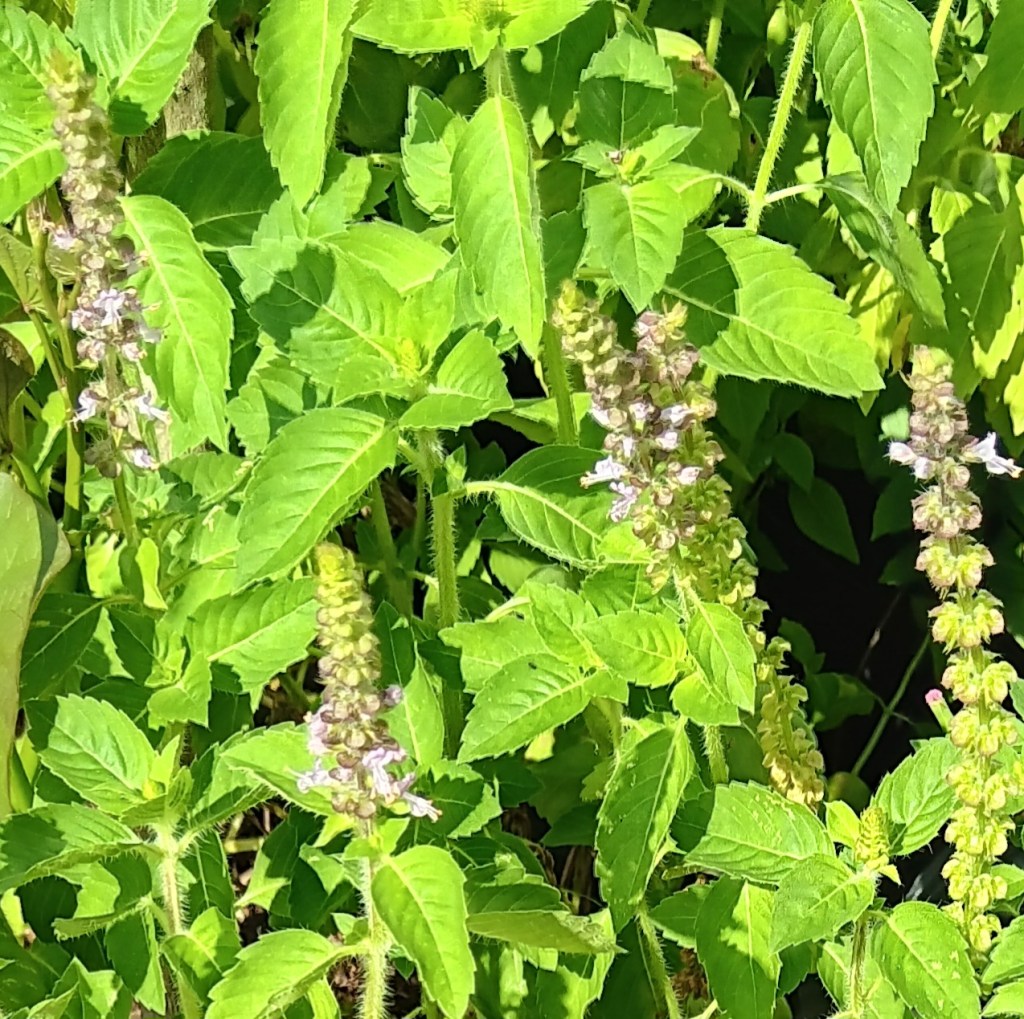
Description: Native to tropical and subtropical regions of Australia, Malesia, Asia, and the western Pacific. Holy basil is an adaptogen, a natural substance that helps the body adapt to stress and promote mental balance. Eaten raw or cooked, added to salads, used as a flavoring, or made into tea. Holy basil may act as a natural mouth freshener and disinfectant to cure mouth ulcers and protect teeth.
❗Not suggested to use internally with children, pregnant, nor breastfeeding mothers.🚼
May interact with anticoagulant and diabetes medications.
Contains moderate thujone, which in excess may cause seizures and damage the liver and nervous system.
Uses: Anti-oxidant, antibacterial, antimicrobial, antiviral, antifungal, anticancer, anti-inflammatory, relieves arthritis, rheumatism, headache, cough, diarrhea, dysentery, digestion, gastric ailments, spasms, fever, colds, influenza, sinusitis, respiratory tract infection (bronchitis, chest congestion, pharyngitis, and whooping cough), asthma, eye diseases, and diabetes (high blood sugar). Leaves may be externally applied in the form of herbal oil, poultice, salve, cream, or therapeutic tea soak. Flowers have mild medicinal properties.
Dosing: ⅛ teaspoon to 1 teaspoon each day for adults.
See “Essential Oils” for dosing instructions.
Thai Basil (Ocimum basilicum var. thyrsiflora)
Description: This fragrant annual herb is native to Thailand. It is known as the boldest of basils for it’s unique and distinctive sweet, savory, herbaceous flavor and aroma, with a note of peppery clove and cinnamon. The history of thai basil cultivation dates back around 5,000 years, with the earliest known references in Indian Vedic texts. However, its exact origin is debated, with some believing it may have come from Iran, India, or Asia and spread to the Mediterranean along ancient spice routes.
❗Not suggested to use internally with children, pregnant, nor breastfeeding mothers.🚼
Contains low thujone content, which in excess may cause seizures and damage the liver and nervous system.
Uses: Blood thinner (reduces blood clots), antioxidant, antibacterial, antiviral, antidisease, antiradical, anti-inflammatory, relieves swelling, nausea, flatulence (farting), prevents infection, colds (flu and influenza), fevers, digestion problems, digestion stimulating, and wound healing. Traditional medicine in Southeast Asia utilizes Thai basil leaves for topical applications on wounds and skin conditions.
Dosing: 1 teaspoon of dried herb or 1 to 2 teaspoons fresh herb every other day for adults, using irregularly for tea or to add flavor to meals. Use for 2 to 3 weeks, then stop use for 2 weeks prior to continuing use. 1 teaspoon of fresh thai basil contains a low amount of vitamin K, which supports blood health and bone strength.
See “Essential Oils” for dosing instructions.
Sweet Basil (Ocimum basilicum)
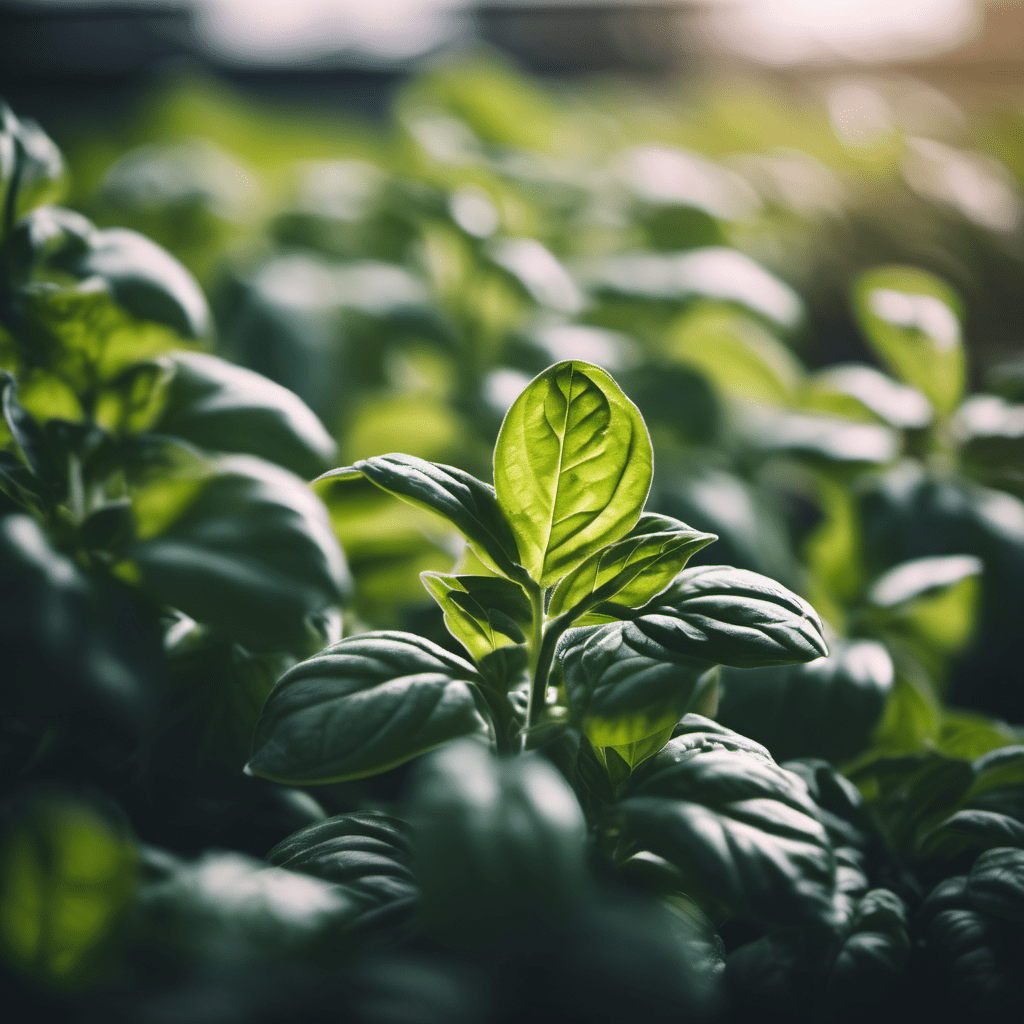
Description: Sweet Basil native to tropical regions of Asia and Africa, cultivated in India and Southeast Asia for over 5,000 years. This tender herb is well known for its aromatic leaves and history of cultural cuisine and medicinal applications.
❗Not suggested to use internally with children, pregnant, nor breastfeeding mothers.🚼
May interact with anticoagulant and antihypertensive (high blood pressure) medication.
Contains low thujone content, which in excess may cause seizures and damage the liver and nervous system.
Uses: Blood thinner (reduces blood clots), antioxidant, antibacterial, antidisease, antiviral, antifungal, anti-inflammatory, prevents and fights infection, colds (flu and influenza), fevers, relieves swelling, headache, digestive problems, digestion stimulating, promotes cardiovascular (heart) health, hypertension (reduces high blood pressure), lowers cholesterol, balances body pH, bad breath, reduces stress, anxiety, and flatulence (farting), and acne. Flowers have mild medicinal properties.
Dosing: 1 teaspoon of dried herb or 1 to 2 teaspoons fresh herb every other day for adults, using irregularly for tea or to add flavor to meals. Use for 2 to 3 weeks, then stop use for 2 weeks prior to continuing use. 1 teaspoon of fresh sweet basil contains 10.4 mcg (9% RDV) of vitamin K, which supports blood health and bone strength.
See “Essential Oils” for dosing instructions.
Cleavers (Galium aparine)
Description: Sticky, fast-growing, annual which is native to the northern hemisphere. Cleavers may grow rapidly and smother slow-growing crops, such as beets.
❗Pregnant and breastfeeding: Research or consult a doctor prior to using internally for individuals who are pregnant or breastfeeding.🚼
Uses: Anticancer, glandular fever, tonsillitis, hepatitis, cystitis, swollen glands, edema, ulcers, skin inflammation, minor injuries, eczema, psoriasis, burns, acne, and urinary tract infection. Flowers and leaves may be externally applied in the form of herbal oil, poultice, salve, cream, or therapeutic tea soak. Cleavers roots may be used to make a permanent red dye.
Dosing: 1 teaspoon each day for adults, may increase to 2 teaspoons or 3 teaspoons if the individual does not have an adverse reaction. Do not use for more than 10 days.
See “Essential Oils” for dosing instructions.
Dandelion (Taraxacum officinale)
Description: Fast growing herbaceous perennial located all over the world. Resistant to mowing and trampling, each plant may produce 2,000 seeds that are easily dispersed by the wind. Traditional medicine and food source used by ancestors. Pollinators rely on dandelions to stay alive while other plants hibernate during the Winter and early Spring, please keep them in your landscape. Landscapes covered in dandelions depicts soil characteristics, such as compacted soil, disturbed soil, nutrient deficiency, poor drainage.
❗Children, Pregnant and breastfeeding: Research or consult a doctor prior to using internally for individuals who are pregnant or breastfeeding.🚼
Uses: Flowers, leaves, and roots may be used, the leaves and roots are especially medicinal. Antioxidant (protects cells), anti-inflammatory (reduces internal and external swelling), anticancer, detoxifying, strengthens immunity, improves circulation, helps diabetes, digestion, constipation, UTI (urinary tract infection), muscle aches, weight loss, may reduce tumors, increases urination and appetite, regulates digestion, blood pressure, cholesterol, kidney function, liver function. Leaves are rich in vitamin A, vitamins A, C, and K, calcium, iron, and potassium.
Dosing: Use the entire plant fresh for food, a maximum of 1 cup each day for adults. Enjoy warm tea steeped for 5 to 10 minutes. Consider taking supplements for health. ½ teaspoon to 2 teaspoons for medicinal use each day with adults.
Echinacea (Echinacea purpurea)

Description: Endangered, native plant that is a popular herbal remedy in the United States, and was used in traditional medicine by Native American tribes. Commonly used to stimulate the immune system during colds, flu, upper respiratory tract infections, or bladder infections. Flowers and roots have higher antioxidant levels and other medicinal properties that the leaves.
❗Children, epilepsy pregnant, and breastfeeding: Research or consult a doctor prior to using internally for individuals who are young children, have epilepsy, are pregnant, or are breastfeeding.🚼
Using echinacea for more than 8 weeks may harm the liver and suppress the immune system. Boosting the immune system too much can also cause problems, especially for people with an autoimmune disease.
Uses: Antioxidant, antimicrobial, antimicrobial, antiviral, anticancer, antimutagenicity, anti-inflammatory, has cytotoxic properties, relieves depression, anxiety, arthritis, pain, cold, flu, fever, cough, headache, sore throat, respiratory tract infections (bronchitis, chest congestion, pharyngitis, and whooping cough), bladder infections, ulcers, shingles, chickenpox, acne, bites, and stings. May be used to help those with seizures, consider researching and consulting a doctor. Flowers, petals, leaves, and roots may be externally applied in the form of herbal oil, poultice, salve, cream, or therapeutic tea soak.
Dosing: ⅛ teaspoon to ¼ teaspoon internally each day for adults. Use for no more than 10 days, then stop taking for 2 weeks until taking again.
See “Essential Oils” for dosing instructions.
Eucalyptus (Eucalyptus globulus)
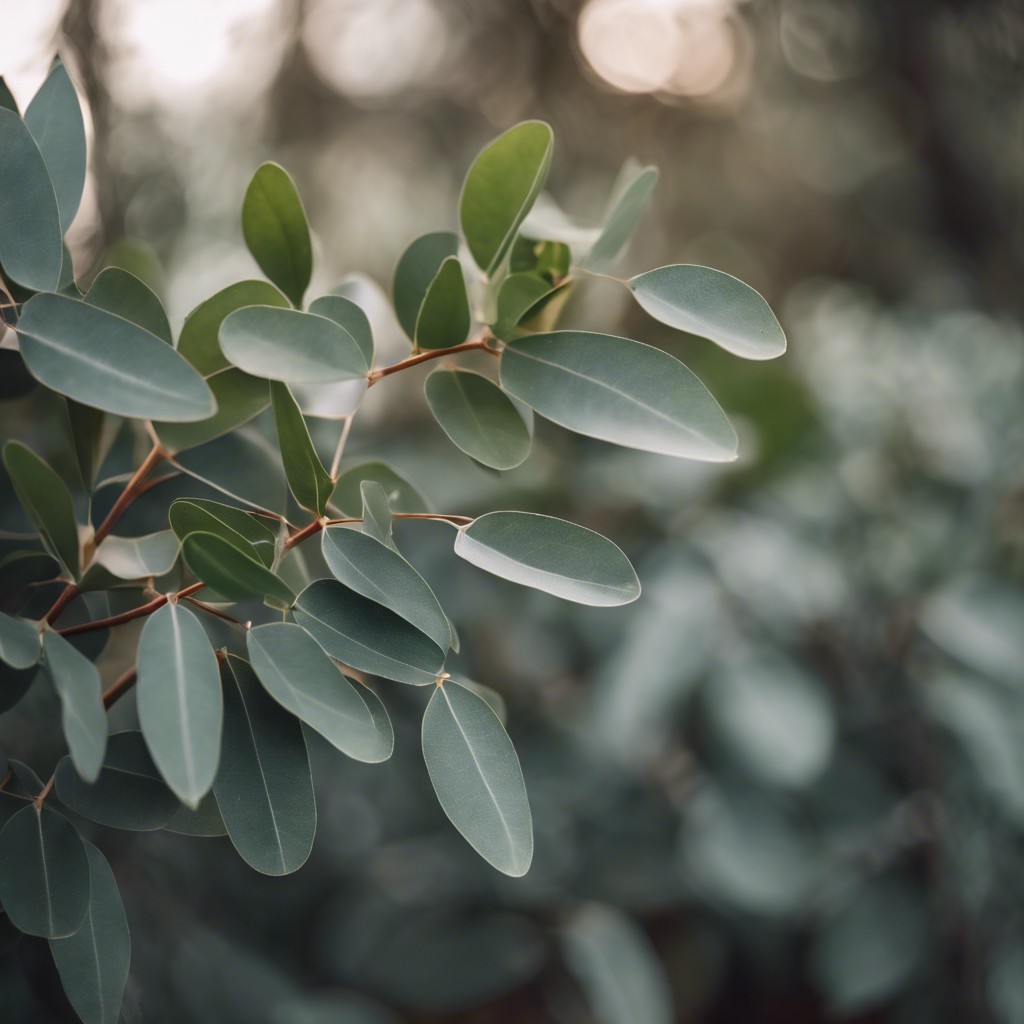
(Coming Soon.)
Field Horsetail (Equisetum arvense)
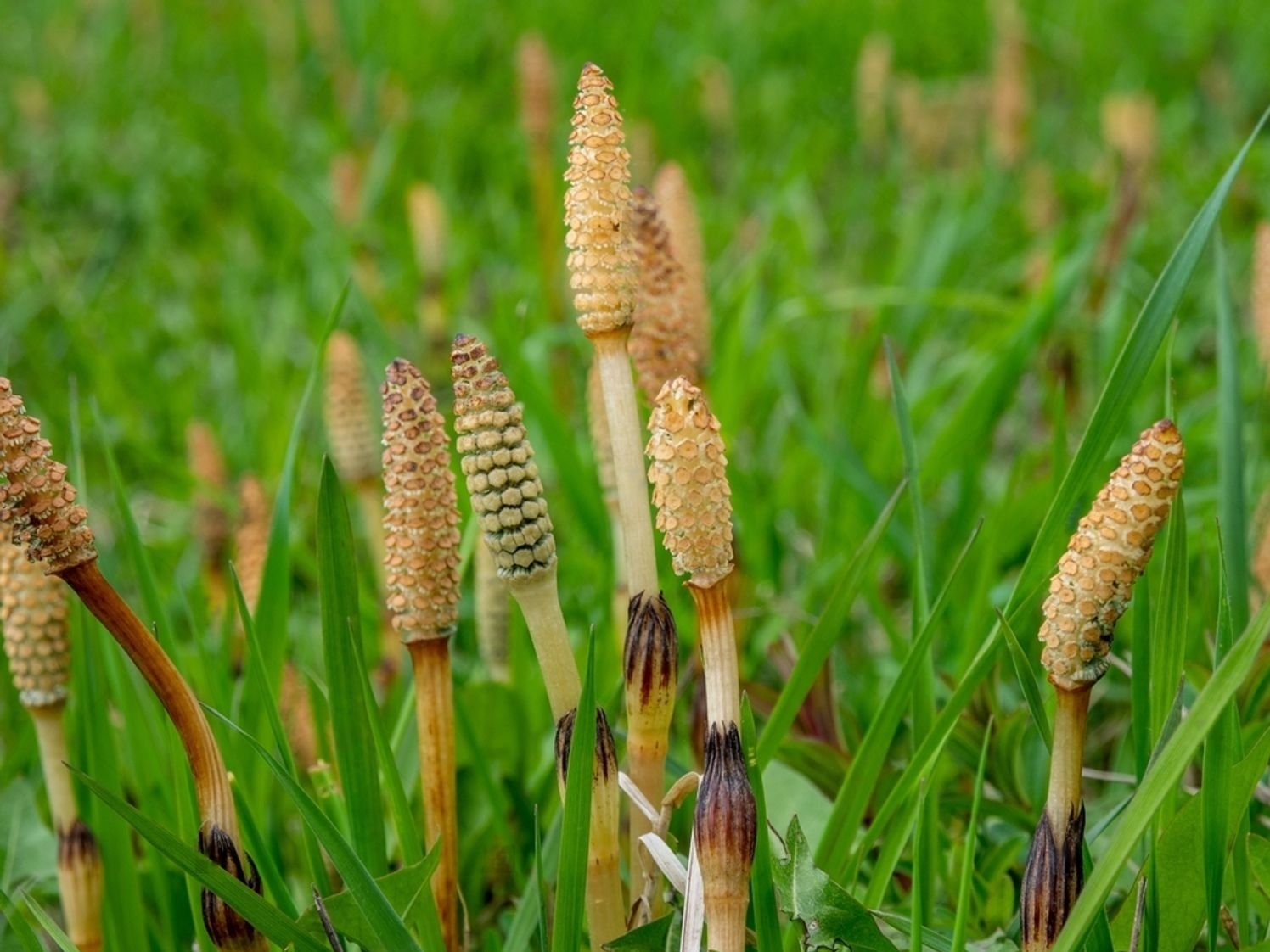
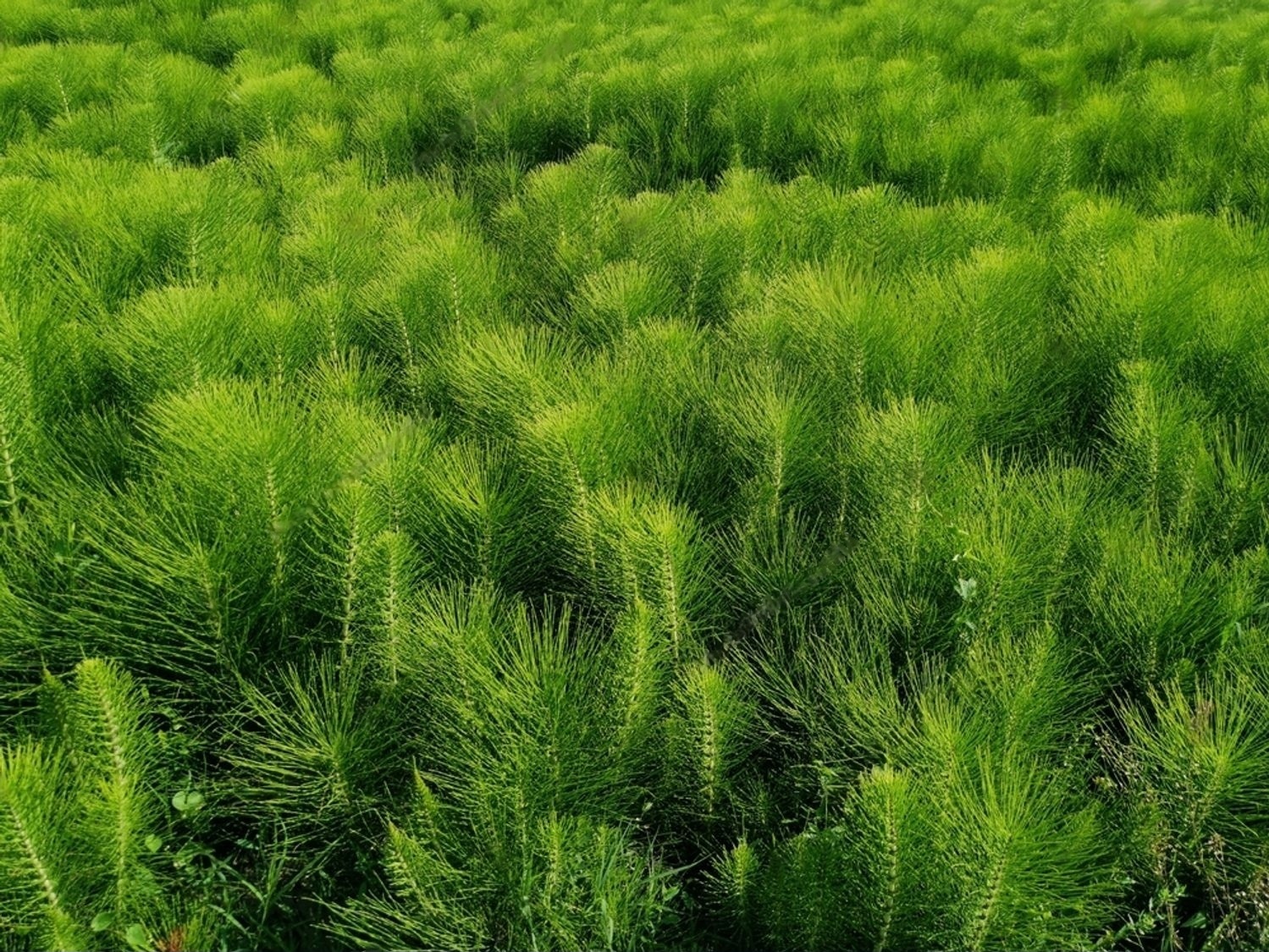
Description: Field horsetail is a non-flowering weed that is native to North America, Asia, Europe, and the Middle East. Horsetail contains silicon, which may relieve inflammation, promote urination, and strengthen bones. The high silica content of the stems makes horsetail useful for cleaning because of its abrasiveness. Horsetail extract has been used as a natural fungicide on crops. May be used for medicine, herbal tea, soups, or sautés.
❗Not suggested to use internally with children, pregnant, nor breastfeeding mothers.🚼
Extended use of Horsetail may result in Vitamin B1 (Thiamin) deficiency.
Uses: Osteoporosis, broken or fractured bones, relieves kidney and bladder conditions, wounds, ulcers, fluid retention, helps weight loss, kidney stones, urinary tract infections, improve fine lines and wrinkles, repair hair, and reduce longitudinal grooves in nails. Stems and foliage may be externally applied in the form of herbal oil, poultice, therapeutic tea soak, salve, or cream.
Dosing: ⅓ teaspoon dried herb 1 to 2 times each day for 1 week for adults, then discontinue use for 1 month prior to taking. Continued use may cause dehydration essential mineral elimination from the body. Drink plenty of fluids while taking medicinal horsetail. Some individuals may have sensitivities or allergies, use with caution.
See “Essential Oils” for dosing instructions.
Ginger (Zingiber officinale)
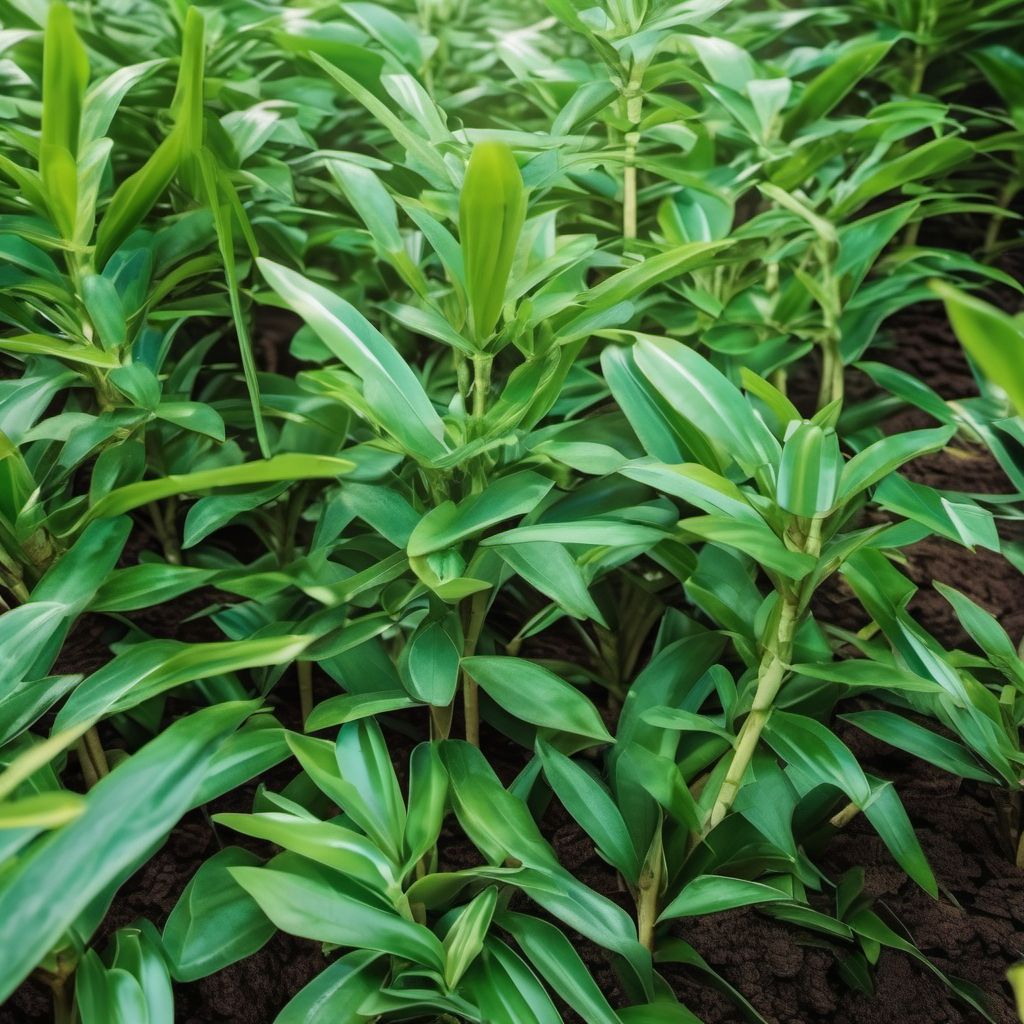
Description: Ginger is a tropical perennial native to humid, partly-shaded habitats in moist tropical and subtropical forests of Southeast Asia. For thousands of years, this plant’s strong root has been used as an antioxidant to alleviate many ailments.
❗May interact with anticoagulants (blood thinners), diabetes medications, and blood pressure medications.
Generally safe for all, research first. Some individuals may have sensitivities or allergies, use with caution.
Uses: Blood thinner (anticoagulant, reduces blood clots), antioxidant (protects cells), antimicrobial, antibacterial, antifungal, anti-inflammatory (reduces internal and external swelling), antispasmodic, soothing, warming, improves cognitive function, memory, and circulation, prevents infection, supports immunity and healthy digestion, eczema, dermatitis, healthy liver function, stroke, relieves pain, nausea, vomiting, indigestion, asthma, colds (flu and influenza), bronchitis, fever, menstrual cramps, hypertension (reduces high blood pressure), ear infection (don’t use inside ear canal, apply outer ear canal), ear ache, flatulence, constipation, reduces risk of cardiovascular (heart) disease, risk of cancer, risk of Alzheimer’s disease, cholesterol, helps regulate blood sugar levels, induces sweating, and stimulates appetite. Roots may be externally applied in the form of herbal oil, poultice, salve, cream, or therapeutic tea soak.
Dosing: 1 to 2 cups of tea each day for adults. Steep 1 teabag for 5 to 10 minutes or 1 to 2 teaspoons of minced ginger root) steeped for 10 to 20 minutes. ⅕ teaspoon to 1 teaspoon maximum each day culinary application for adults. For medicinal application, take ½ teaspoon to 1 teaspoon each day for adults for 1 month. Add grated or pickled ginger to meals. May cause heartburn, indigestion, or diarrhea.
See “Essential Oils” for dosing instructions.
Lavender (Lavandula angustifolia)
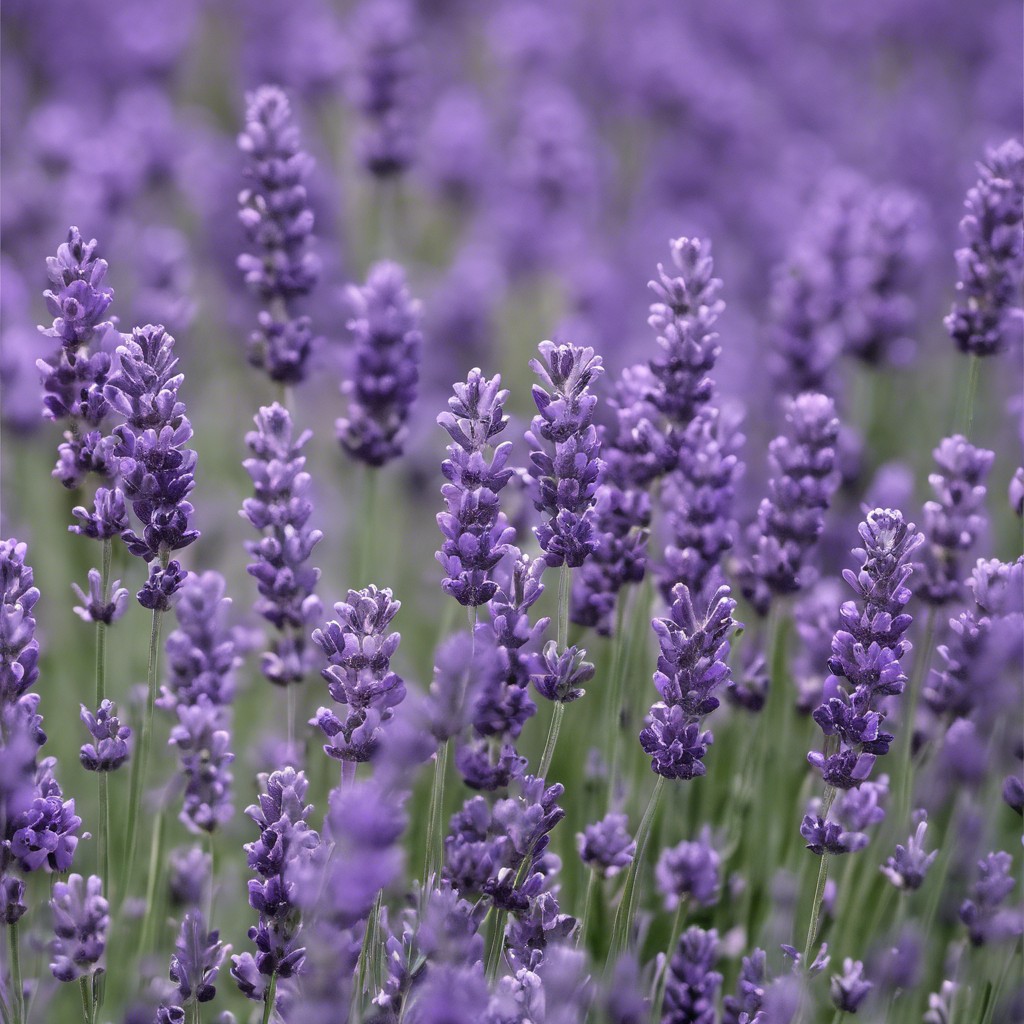
Description: Lavender is a beautiful and fragrant herb native to the Mediterranean region. Belonging to the mint family (Lamiaceae), lavender is well-known for its calming aromatic plant is significant in the world of vegan medicine, aromatherapy, and even vegan cooking. The flowers, leaves, and stems of the lavender plant have been used in traditional herbal medicine for centuries. Lavender flowers are the most utilized part of the plant.
❗Children, epilepsy, pregnant, or breastfeeding: Research or consult a doctor prior to using internally for individuals who are young children, have epilepsy, are pregnant, or are breastfeeding.🚼
Generally safe for all, research first. Some individuals may have sensitivities or allergies, use with caution.
Uses: Antiseptic, antimicrobial, relieves skin irritation, helps burns, bites, and stings, promotes wound healing, and prevents disease. Topical applications relieve headaches and muscle aches, promote relaxation, and improve sleep quality. Flowers and leaves externally applied in the form of herbal oil, poultice, salve, or cream, therapeutic steam, bath, or tea soak. Use culinary grade flowers for internally consumed herbal tea.
Dosing: One cup each day for adults with either a prepared lavender tea bag or, for homemade tea, mix ½ teaspoon of crushed, dried culinary lavender flowers with 1 teaspoon of another tea herb and steep into a cup of hot water for 5 minutes to 10 minutes.
See “Essential Oils” for dosing instructions.
Lemon (Citrus limon)

(Coming Soon.)
Lemongrass (Cymbopogon citratus)
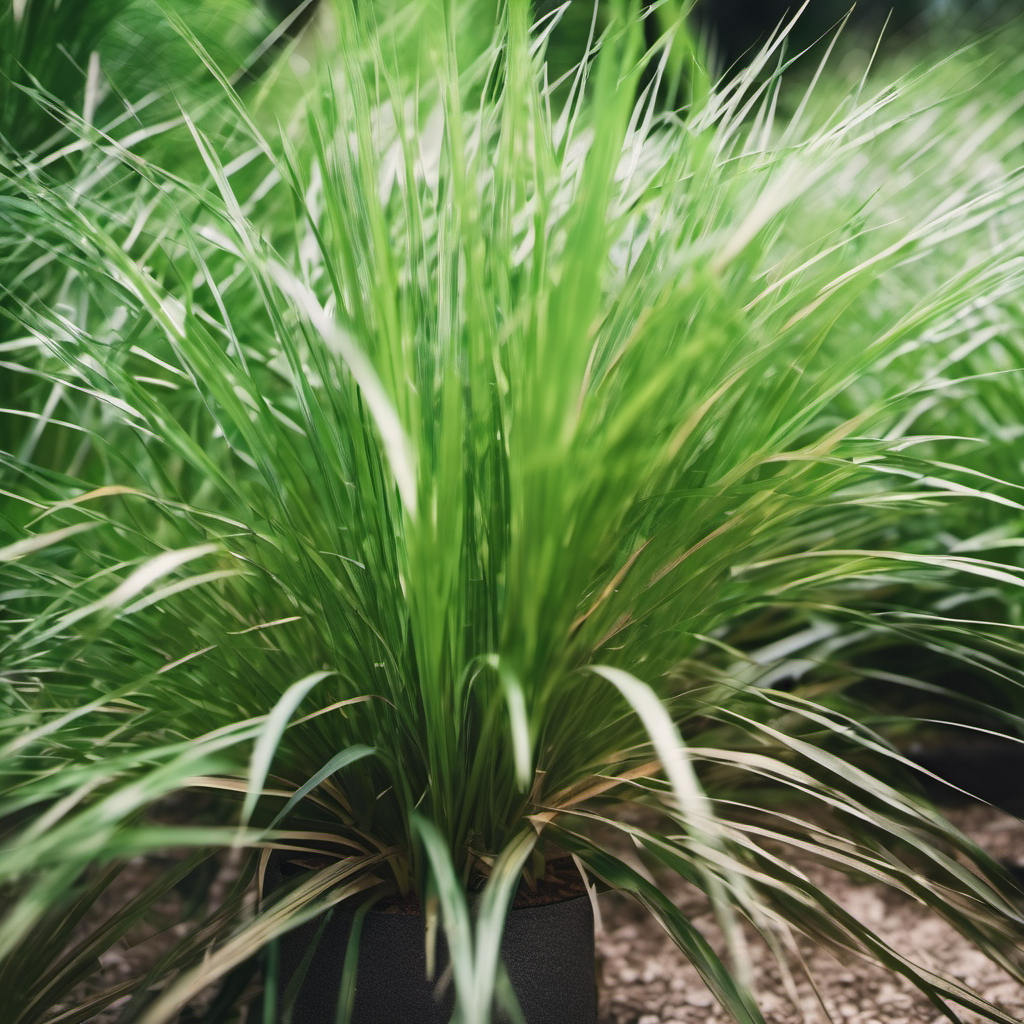
Description: This tropical tufted grass is native to tropical Asia grasslands, and is today cultivated in tropical and subtropical regions around the world for its culinary and medicinal uses.
❗Not suggested to use internally with young children, pregnant women, nor breastfeeding mothers.🚼
May interact with medications.
Uses
The stalk and leaves are antioxidant, antimicrobial, antibacterial, antifungal, anti-inflammatory (internal inflammation and external inflammation), colds (flu or influenza), fever, regulate blood pressure, relieves pain, swelling, stress, anxiety, flatulence (farting), diabetes (high blood sugar or ‘hyperglycemia’), cholesterol, digestive tract spasms, stomach ache, digestion stimulating, increases metabolism, Lemongrass tea may also help flush out toxins from the digestive tract, bladder, liver, and kidneys. Occasional limited use may improve heart conditions (cardiovascular health).
Dosing
1 cup of lemongrass tea each day for adults. 2 lemongrass stalks should be sufficient when cooking a meal.
See “Essential Oils” for dosing instructions.
Mallow (Althaea officinalis)

Description: The leaves, flowers, and root of the mallow plant have been used in traditional herbal medicine for centuries. Mallow’s versatility allows it to be used as a flower, a vegetable, culinary pot herb, for candy-making, and as medicine. The roots and leaves contain a slimy and sticky substance called mucilage, which can be used for a variety of foods or medicinal remedies.
❗Not suggested to use internally with young children, pregnant women, nor breastfeeding mothers.🚼
Uses
The leaf and root are used for relieving respiratory tract infection (bronchitis, chest congestion, pharyngitis, and whooping cough), pain and swelling of the mucous membranes, dry cough, sore throat, hydrating and moisturizing, reducing bloating and fluid retention, inflammation of the lining of the stomach, relieves heartburn, stomach ulcers, urinary tract stones, urinary tract inflammation, IBS (irritable bowel syndrome), indigestion, diarrhea, constipation, and wound healing. Mix the mucilage from roots and leaves with water to form a gel that may coat the throat and stomach to reduce soreness, itching, and irritation. Apply the gel topically to soothe chapped skin.
Dosing
Up to 3 teabags or 3 teaspoons to 4 teaspoons dried leaves and flowers each day for adults. Use mucilage gel sparsely and as needed. Some individuals may have sensitivities or allergies, use with caution.
IMPORTANT: Take for no longer than a month, then discontinue for 2 weeks before recontinuing.
See “Essential Oils” for dosing instructions.
Peppermint (Mentha piperita)
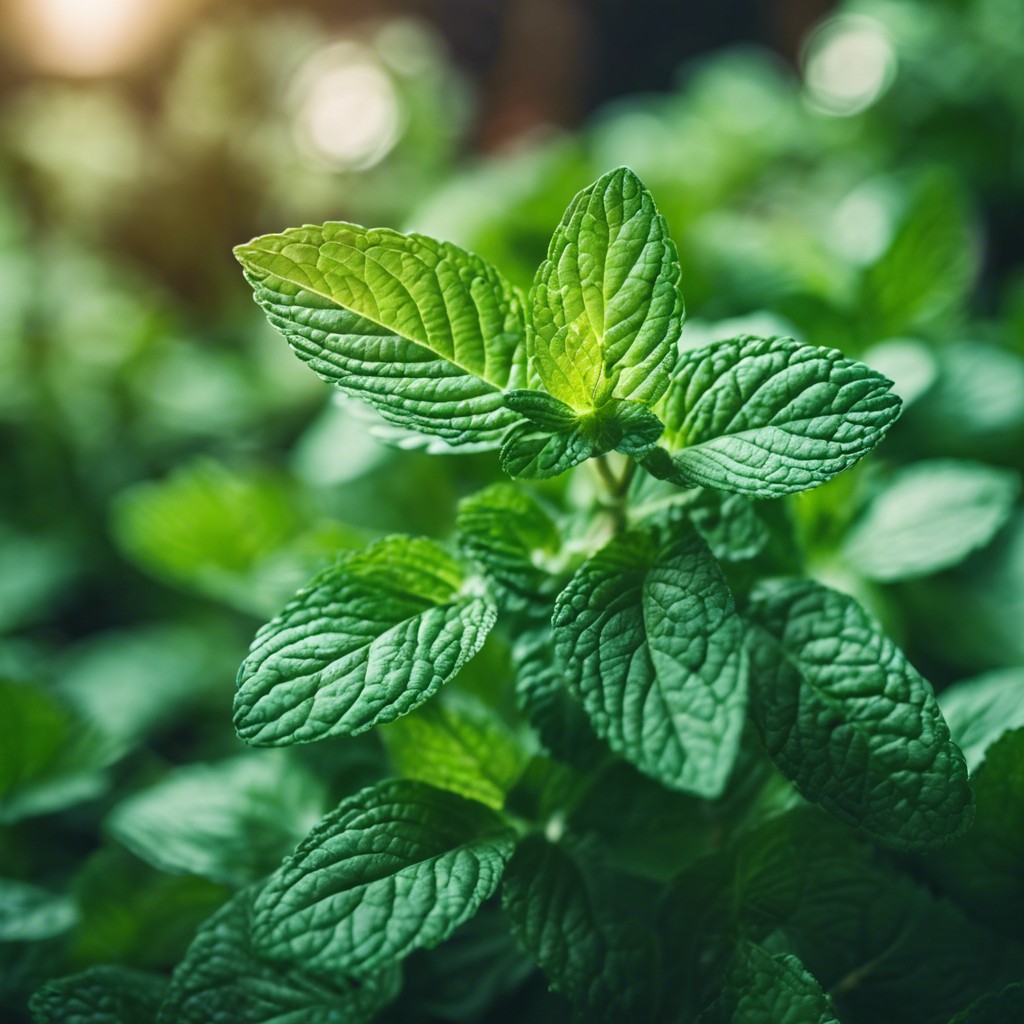
Description: Hybrid mint crossed with Spearmint and Watermint. Used for centuries for it’s culinary and medicinal applications peppermint leaves are a basis of flavor for foods and beverages. This plant provides hygienic products with both cleansing antimicrobial properties and a fresh fragrance for soaps, lotions, perfumes, and cosmetics. Can be used as last resort survival tooth paste!
❗ Do not use internally with young children. Do not diffuse or apply Peppermint essential oil to children under 6, as it may increase their risk of respiratory distress or a seizure.
Some individuals may have sensitivities or allergies, use with caution.
Uses: Antimicrobial, antioxidant, anti-inflammatory. Relieves digestive problems (flatulence, indigestion, nausea, IBS (irritable bowel syndrome), and motion sickness), anxiety, headaches, nausea, menstrual pains, muscle pain, and nerve pain. Reduces spasms during endoscopy and colon exams, and helps with recovery after surgery. Leaves externally applied in the form of a poultice, therapeutic tea soak, herbal oil, salve, or cream.
Dosing: Steep 1 teabag for soothing herbal tea every other day each week for adults. Do not drink every day. 2 pinches of fresh peppermint for recipes should suffice.
See “Essential Oils” for dosing instructions.
Plantain (Plantago major)
Description: Common, short, nutritious herb for consumption or for medicinal applications. Has been used to treat epilepsy and generally safe for children, consult a healthcare professional prior to use.
❗Not suggested to use internally with pregnant women nor breastfeeding mothers.
Uses: Antioxidant, antibacterial, antiviral, antiradical, anti-inflammatory, antiulcerative (ulcer relief), antinociceptive, relieves diabetes, stomach ache, digestive problems, cough, respiratory tract infection, loss of voice, diarrhea, dysentery, hemorrhoids, insect bites, stings, bruises, cuts, broken bones, nosebleeds, coughing up blood, urinating blood, stops bleeding, ear infections, ear aches, eye sores, conjunctivitis, bad breath, toothache, loose teeth, gingivitis, tonsillitis, and mouth sores, wound healing. May be used to help those with epilepsy, consider researching and consulting a doctor. Externally applied in the form of herbal oil, poultice, salve, cream, or therapeutic tea soak.
Dosing: ¼ teaspoon 1 to 3 times each day for adults
See “Essential Oils” for dosing instructions.
Rose (Rose var.)

(Coming Soon.)
Rosemary (Salvia rosmarinus)
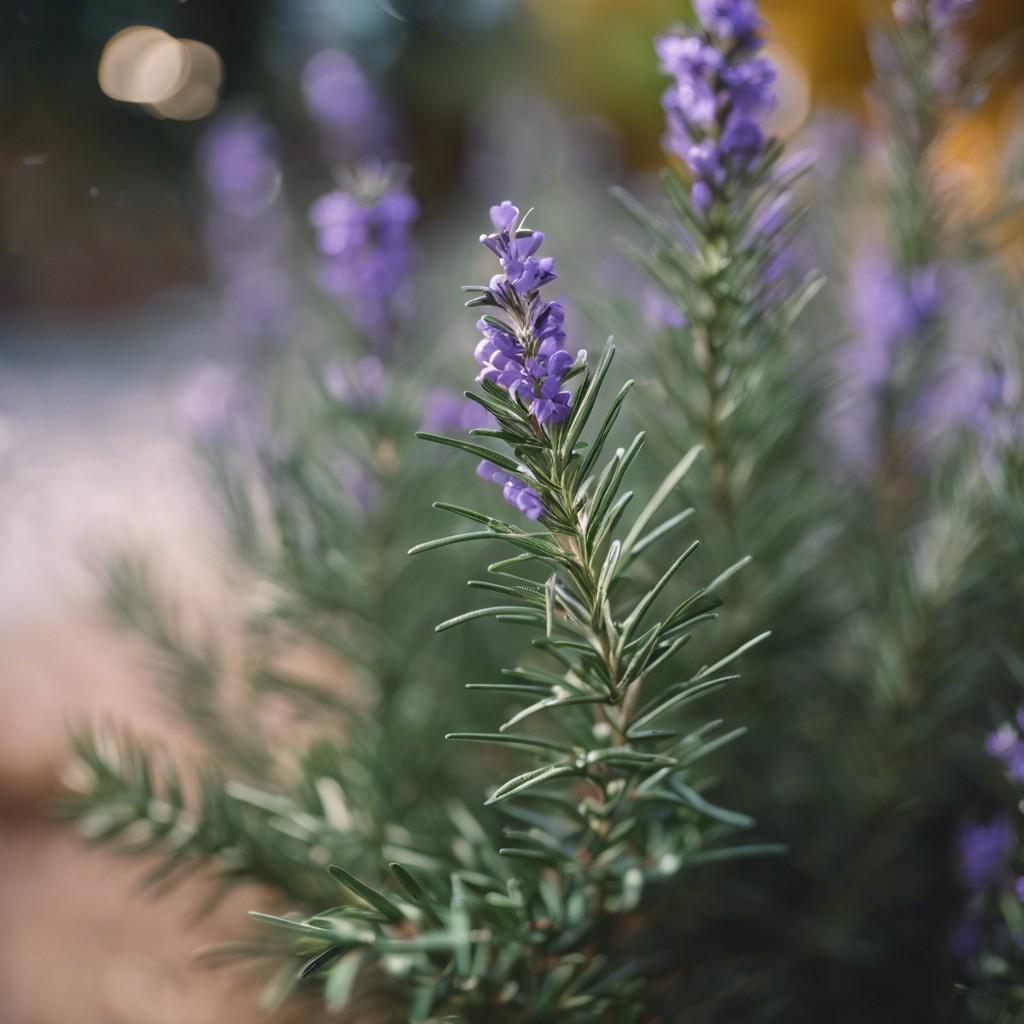
Description: Commonly cultivated medicine and cooking in the form of fresh and dried leaves. Flowers (remove calyx) are edible and beautiful. Leaves are the most medicinal part of the plant. Rosemary is one of the most common essential oils used in aromatherapy.
Approved as a food antioxidant preservative in several countries: Rosemary helps prolong the shelf life and heat stability of omega-3 fatty acids, which are prone to going rancid.
❗Not suggested to use internally with children, epileptic, pregnant, nor breastfeeding mothers.
Uses: Relieves memory improvement, neuroprotective, digestion, pain relief, and circulation. Properties antimicrobial, anti-inflammatory, antioxidant, and astringent. Flowers and leaves may be externally applied in the form of a poultice, herbal oil, salve, cream, or therapeutic tea soak.
Dosing: Moderate amounts of Rosemary are “generally safe” for adults, 1 teaspoon internally daily may be okay. Some individuals may have sensitivities or allergies, use with caution.
See “Essential Oils” for dosing instructions.
Sage (Salvia officinalis)
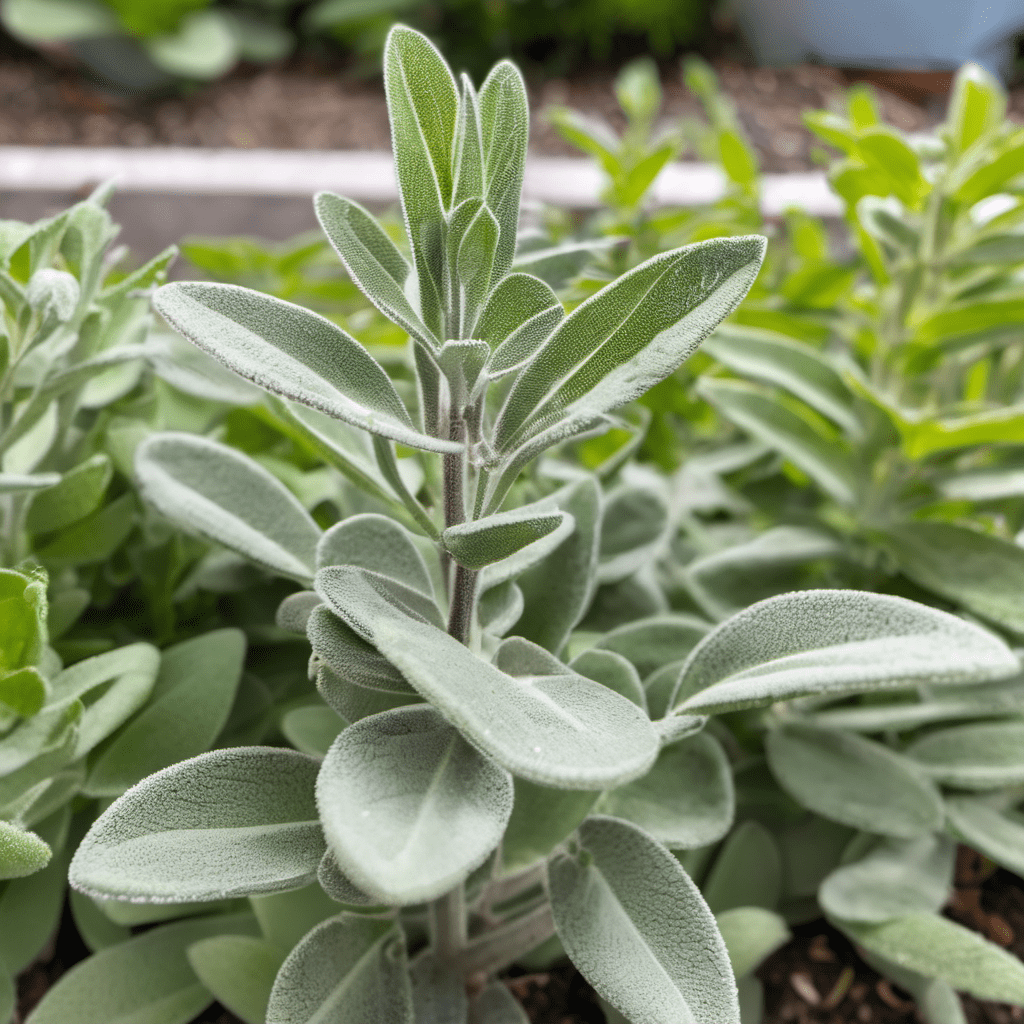
Description: Sage is native to the Mediterranean and the western Balkan Peninsula, though it has been naturalized in many places throughout the world. Often dried and used as a spice in cooking or in medicinal practices, this herb is commonly in many European cuisines, including Italian, Balkan, and Middle Eastern. British and American cooking traditionally adds sage with onion for stuffing recipes.
Leaves are ideal for hygiene products, such as balms and soaps with their astringent and cleansing properties that can soften and clean skin by removing dead skin cells. The fragrance is popular with soaps and cosmetics with its pleasant aroma.
❗Not suggested to use internally with children, epileptic, pregnant, nor breastfeeding mothers.
Some species of sage, including common sage, contain moderate thujone, which in excess may cause seizures and damage the liver and nervous system.
Uses: Antioxidant, antiseptic, antibacterial, antiviral, anti-inflammatory, astringent, reduces signs of aging, lowers cholesterol, relieves pain, stress, menopause, abdominal cramps, bloating, menstrual cramps, menstrual bleeding, relieves digestive problems, diarrhea, colds, cough, respiratory tract infection (bronchitis, chest congestion, pharyngitis, and whooping cough), oral health, tonsillitis, throat infections, excessive perspiration, diabetes (high blood sugar), improves memory and thinking. Leaves may be externally applied in the form of herbal oil, poultice, salve, cream, or therapeutic tea soak.
Dosing: ⅛ teaspoon to 1 teaspoon every 4 days to 6 days for adults. Use for no more than 3 months, then stop taking for 1 month prior to taking again.
See “Essential Oils” for dosing instructions.
Thyme (Thymus vulgaris)
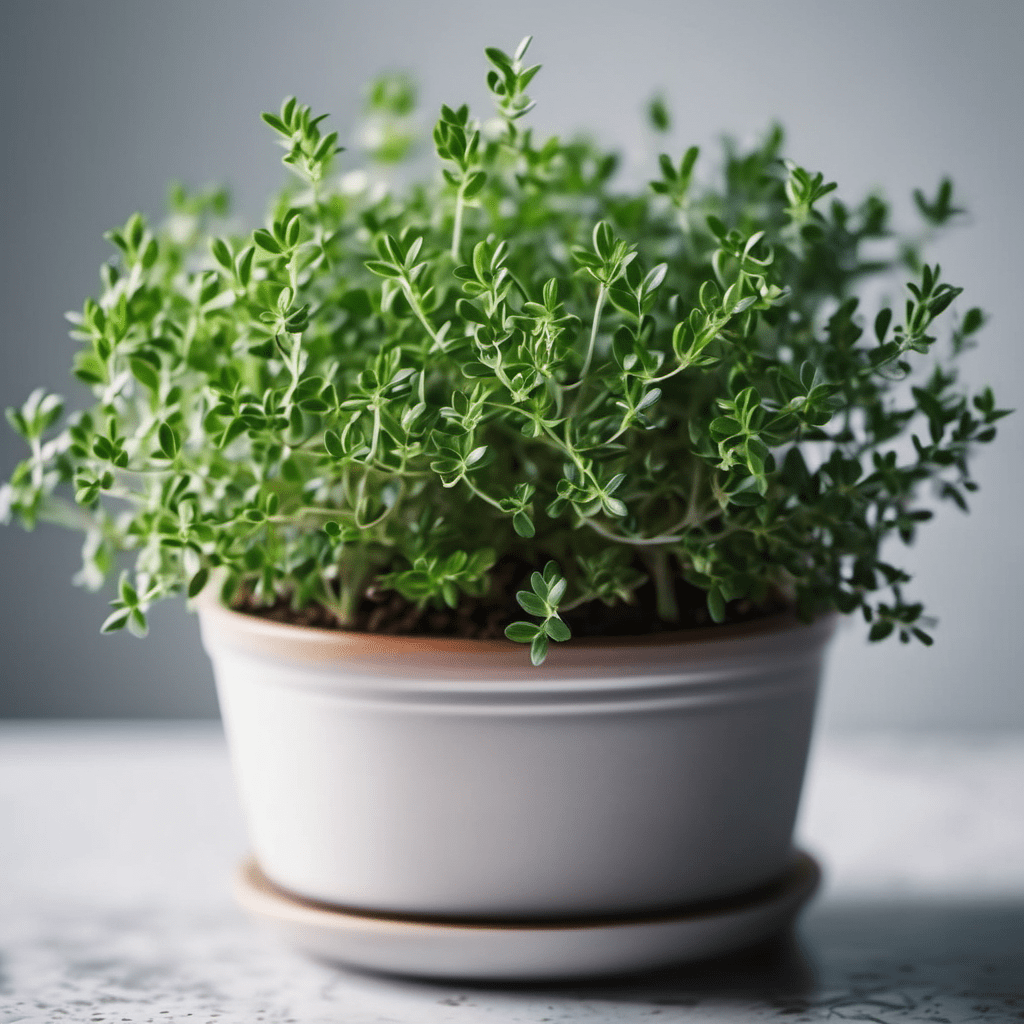
Description: Thyme is a small, woody, evergreen shrub that is native to southeastern Italy and Southwestern Europe. It commonly grown as a culinary herb in herb gardens. It has been used by humans for centuries as a culinary herb, flavoring agent, and herbal medicine.
❗Not suggested to use internally with children, pregnant, nor breastfeeding mothers.🚼
Uses: Antiseptic, antimicrobial, antibacterial, antiviral, anticancer, anti-inflammatory, antihypertensive (lowers blood pressure), reduce cholesterol, promotes cardiovascular (heart) health, boosts immunity, relieves yeast infection, bacterial infection, cold, cough, sore throat, respiratory tract infection (bronchitis, chest congestion, pharyngitis, and whooping cough), acne, worms in children, and depression. Flowers and leaves may be externally applied in the form of a poultice, therapeutic tea soak, herbal oil, salve, or cream.
Dosing: Dosing: ¾ teaspoon to 1½ teaspoons each day for adults. Some individuals may have sensitivities or allergies, use with caution.
See “Essential Oils” for dosing instructions.
Yarrow (Achillea millefolium)
Description:
Yarrow has a long history of medicinal use in various cultures, however scientific evidence for its effectiveness is limited. According to Greek mythology, Achilles used yarrow to treat his soldiers’ wounds during the Trojan War in 1200 BC after learning its medicinal properties from the centaur Chiron. Yarrow was also used by soldiers in the American Civil War and World War I to treat wounds and prevent infection.
❗Not suggested to use internally with young children, epileptic people, pregnant, nor breastfeeding mothers.🚼
Contains moderate thujone, which in excess may cause seizures and damage the liver and nervous system.
Uses: Flowers are antimicrobial, anti-inflammatory (reduces internal and external swelling), antihypertensive (lowers blood pressure), astringent, prevents infection, relieves spasmodic gastrointestinal ulcers, stomach ache, menstrual cramps, urinary tract infection, diarrhea, dysentery, IBS (irritable bowel syndrome) asthma, fever, colds (flu or influenza). External application helps skin conditions (cuts, minor injuries, dermatitis, eczema, psoriasis, open sores, burns), toothaches, stops bleeding, and improves wound recovery rate. Leaves have mild medicinal properties.
Dosing: ⅛ teaspoon maximum dose every other day for adults.
IMPORTANT: Use sparingly and occasionally, excessive consumption of yarrow may be harmful.
See “Essential Oils” for dosing instructions.

