Plants require food, just like we do. Plants use photosynthesis to capture light energy, which is used to convert water, carbon dioxide, and minerals into oxygen and energy-rich organic compounds. It is important to correctly administer foods to their corresponding plants.
What is fertilizer? Matter that has decayed to become a nutrient dense material to feed plants! Healthier and happier plants can provide more vegetative growth, increase flower yield, and help struggling plants revive their health! Different fertilizers exist in forms like granular, liquid, or slow-release. Organic compost is usually mild in pH and with many varied nutrients. CLICK HERE to learn to how easy it is to make organic compost at home! I advise steering away from chemical fertilizers and committing to homemade organic compost or USDA certified organic store bought.
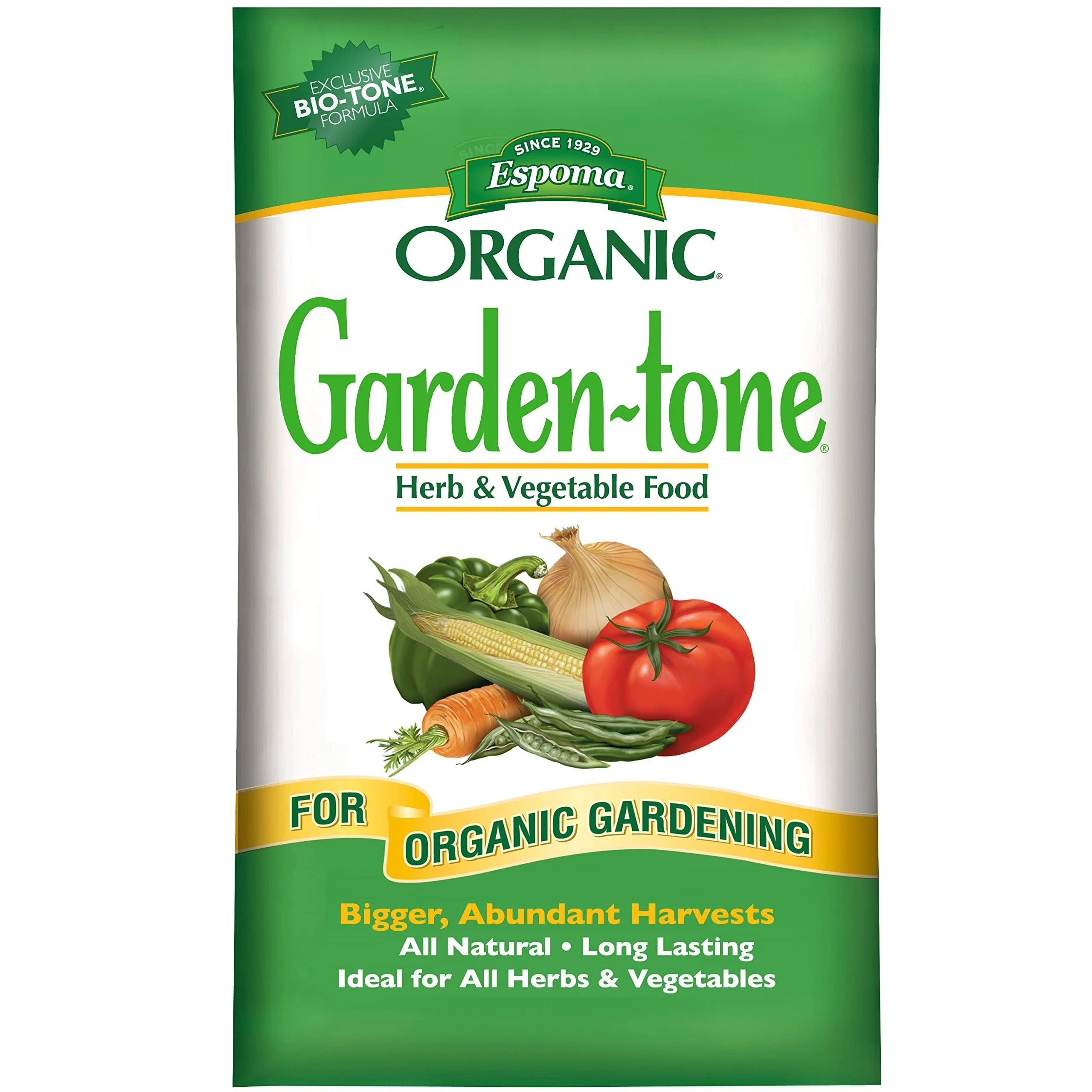
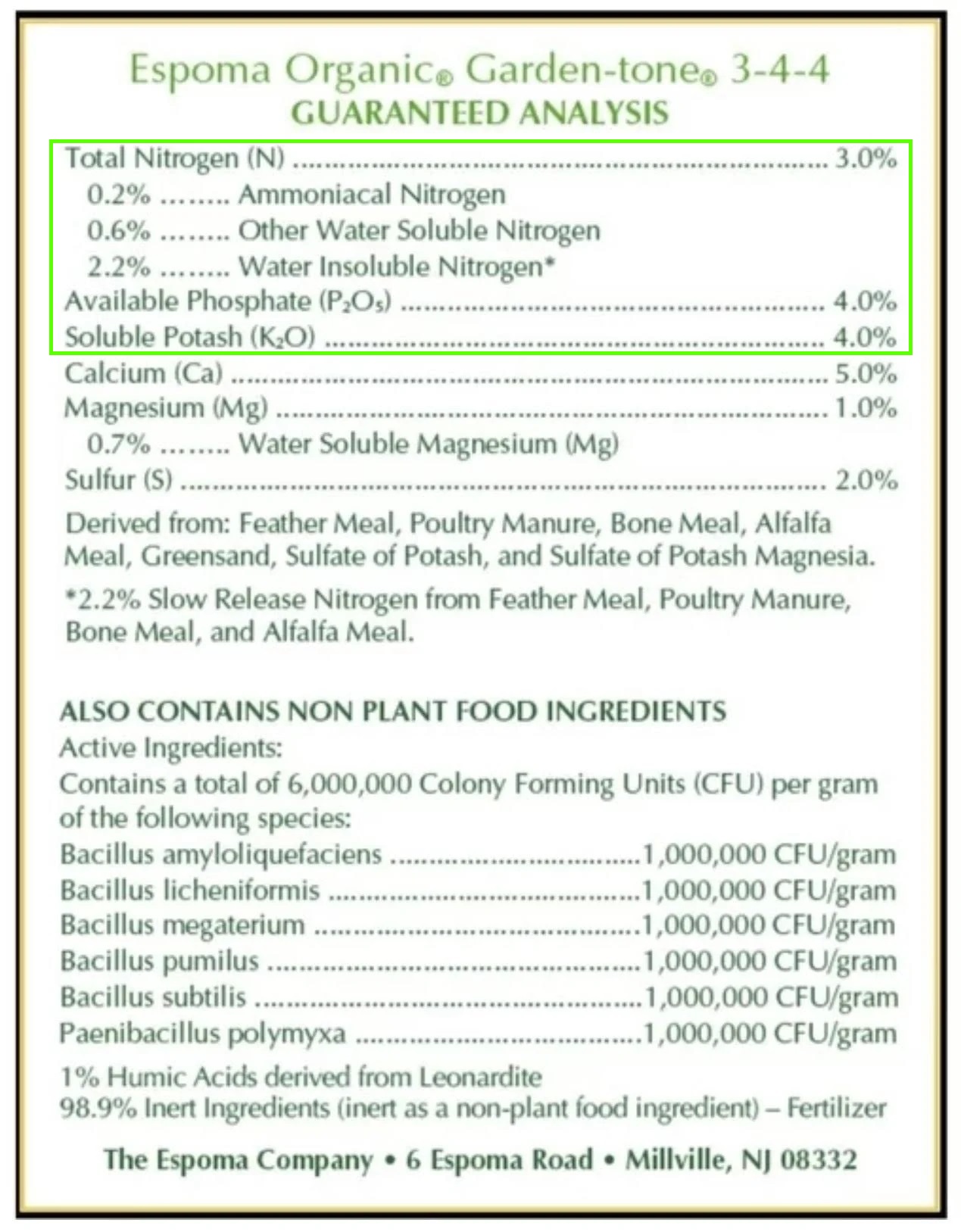
Fertilizers come in different values, for example.. a 5-5-5 is a very mild fertilizer, while the higher numbers, such as 30-30-30, are very potent and have more of a potential of burning a plant if not used correctly!
Fertilizers with #-#-# ratios represent the N-P-K Nitrogen (N) – Phosphorus (P) – Potassium (K), also referred to as “Potash”
NPK is an acronym, or short saying, for Nitrogen – Potassium – Phosphorus. Each of these are chemicals necessary to plant health. Gardening is a science, just like everything else.
Nitrogen (N) is the fuel that makes plants function and helps leaves grow. It’s used to synthesize amino acids, proteins, chlorophyll, nucleic acids, and enzymes. Plants need more nitrogen than any other element
Phosphorus (P) is an essential helper for sick plants and also help the plant build immunity. It is a vital component of ATP, the “energy unit” of plants. ATP forms during photosynthesis, has phosphorus in its structure, and processes from the beginning of seedling growth through to the formation of grain and maturity.
Potassium (K) is necessary to form flower buds and can increase the amount of flowers. It’s best to apply a generous Potassium fertilizer just before a plant forms flower buds. It helps the plant move water, nutrients and carbohydrates in plant tissue. It’s involved with enzyme activation within the plant, which affects protein, starch and ATP. The production of ATP can regulate the rate of photosynthesis.
Applying Fertilizer
When spreading fertilizer, AVOID clumping around the base of the main stalk of trunk, this can cause burning or rot. The best way is to sprinkle over the surface area evenly, that way the nutrients sink down to all of the roots as they are rained upon or watered by hand.
For organic compost, 1/2 teaspoon per bean plant, 1/4 cup for 2″ diameter trees, 2 cups to 3 cups for 12″ diameter trees. Be attentive to how much fertilizer you apply and watch the plant’s fascinating response over the next month, learning by adjusting accordingly.
Plant sickness could result from lack of nutrients, improper sunlight or shade, excessive or lack of water, etc. CLICK HERE for more information on diagnosing a plant.

 Nitrogen (N) is the fuel that makes plants function and helps leaves grow. It’s used to synthesize amino acids, proteins, chlorophyll, nucleic acids, and enzymes. Plants need more nitrogen than any other element
 Phosphorus (P) is an essential helper for sick plants and also help the plant build immunity. It is a vital component of ATP, the “energy unit” of plants. ATP forms during photosynthesis, has phosphorus in its structure, and processes from the beginning of seedling growth through to the formation of grain and maturity.
 Potassium (K) is necessary to form flower buds and can increase the amount of flowers. It’s best to apply a generous Potassium fertilizer just before a plant forms flower buds. It helps the plant move water, nutrients and carbohydrates in plant tissue. It’s involved with enzyme activation within the plant, which affects protein, starch and ATP. The production of ATP can regulate the rate of photosynthesis.
