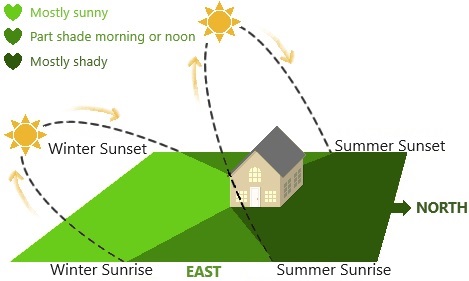
Sun exposure at a plant’s location must be considered. The sun is overhead in the Summer, while in the Winter the sun’s angle is towards the south. It’s best to have full sun plants on the south side of buildings, and full shade plants on the north side. Insufficient sunlight may stunt plants or cause them to be diseased, sometimes killing the plant.
💦 Water
Water needs vary by plant. Xeriscaping plants hardly need water (like cacti), while tropical plants require lots of water (ginger). Land with slopes that encourage natural water drainage and yards with shallow spots that retain water are factors to consider.
WATER QUALITY: Water with well water or city water for crop plants, reclaimed water is not suggested for crop plants however is excellent for ornamental plants. Growing produce with reclaimed water may cause an abnormal, astringent quality that may cause dermatitis for some people. Reclaimed water has the presence of cancer causing chemicals, boron, heavy metals, chlorine, organic pollutants, and residual remnants from personal hygiene product ingredients and flushed prescription medications that have been disposed of through plumbing. Constant consumption of these foods produces by reclaimed water accumulated heavy metals and harmful, cancerous chemicals which could cancer to develop or other health problems.
🌡️ Temperature
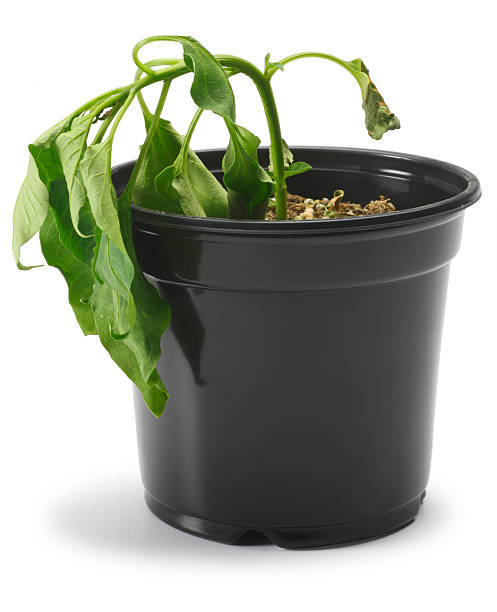
Temperature tolerance varies by plant. Tropical plants might go limp in hot, dry heat, while desert plants might die in the presence of frost. Most garden websites provide temperature tolerances.
🏞️ Elevation
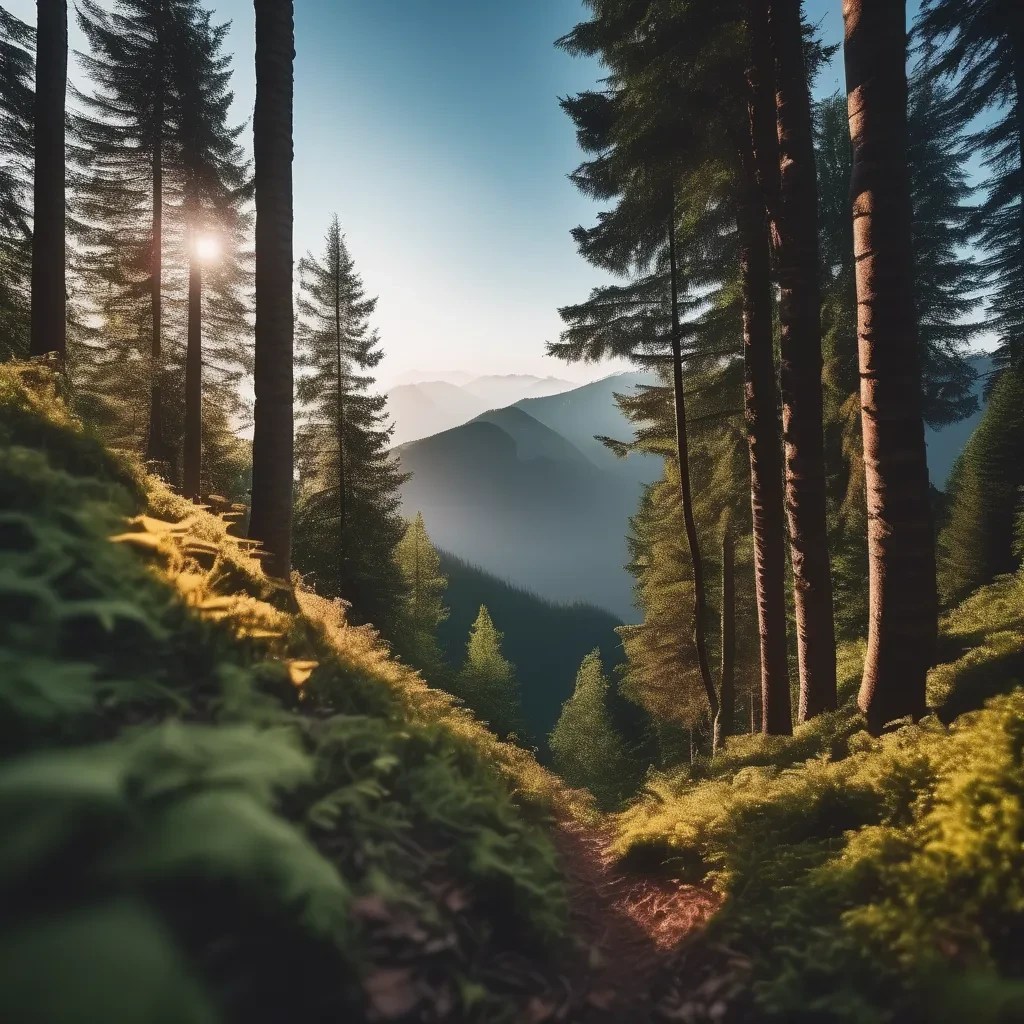
Landscapes have varying elevation levels. The direction of the sun relevant to the slope determines how much sun is available, and what plant types are appropriate. Flat or slopped landscape is more prone to water retention, while inclines help water drain and flow to other areas. Slopes create varying temperatures, humidity levels, and microclimates for the environment. Steep slopes are vulnerable to erosion and would benefit from adding erosion control plants.
🍃 Wind Exposure
Locations exposed to high winds require wind tolerant plants. Constant winds may dry out plants, especially young plants. Gusts may erode the topsoil, causing a loss of nutrients to the soil. Winds that are powerful may break temporary structures, fences, and tall or delicate trees. Planting wind-resistant trees and living fences create a windbreak to protect gardens. Specific plants, especially grasses, require the wind to properly pollinate and reproduce.
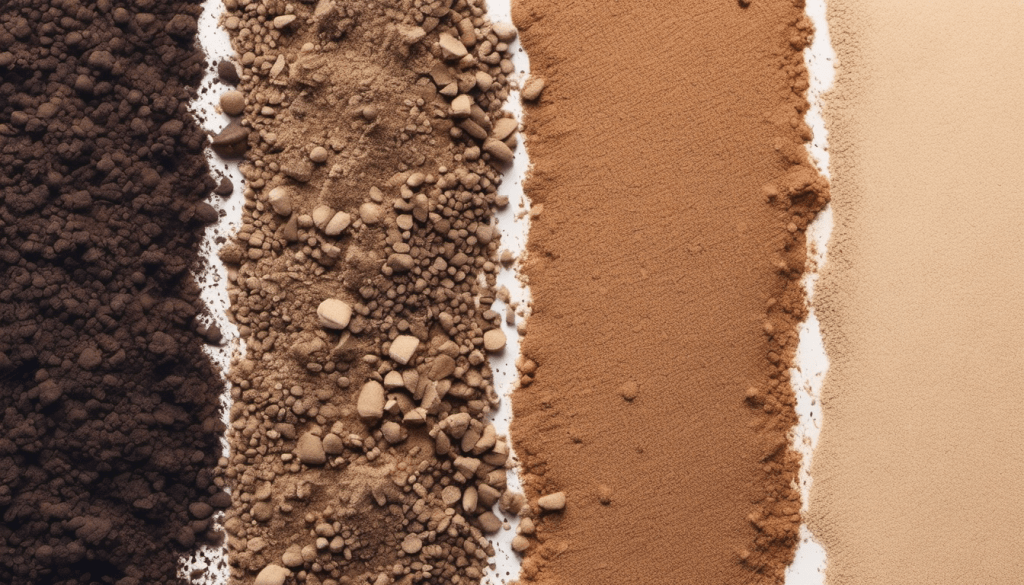
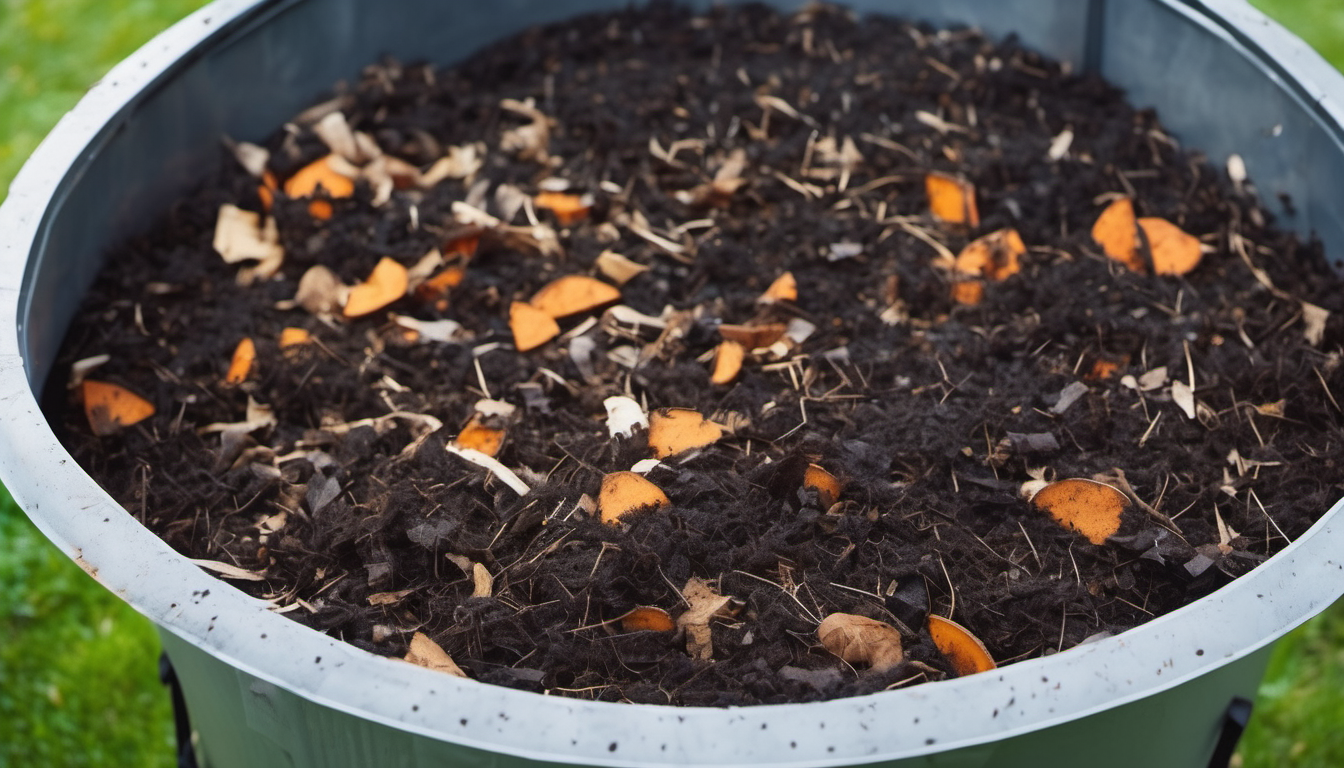
Soil types vary from barren and rocky to lush and loamy. Soil substrates are loam, peat, silt, rock, stone, clay, sand, wood, mulch, saline, and water (hydroponic).
➕ Nutrients
Nutrient intake is critical for plant health. Some plants require heavy fertilizing (root crops, old and big trees), while others dislike fertilizing (baby sun rose).
🧪 Soil pH
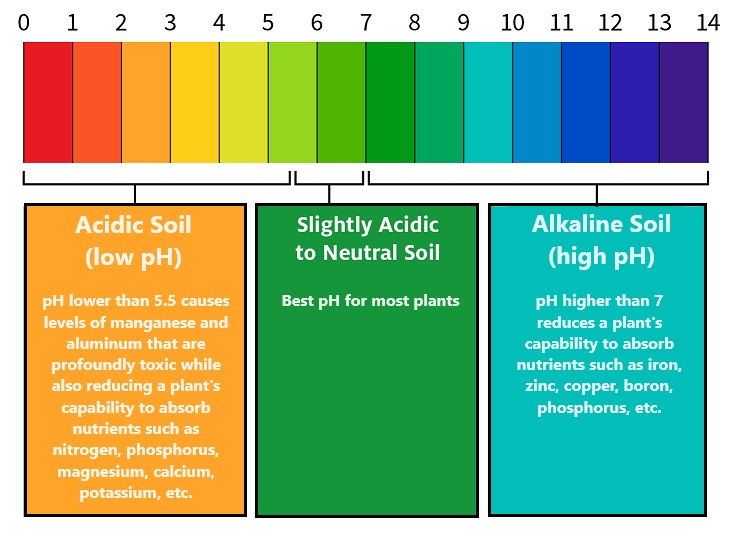
pH is the measurement of acidity or basicity, and this applies to soil. 1 is incredibly acidic, 7 is neutral (like water), and 14 is incredibly basic. Normally, soil ranges from 6 to 8. Additives can be amended to soil to regulate soil pH.
↔️ Spacing
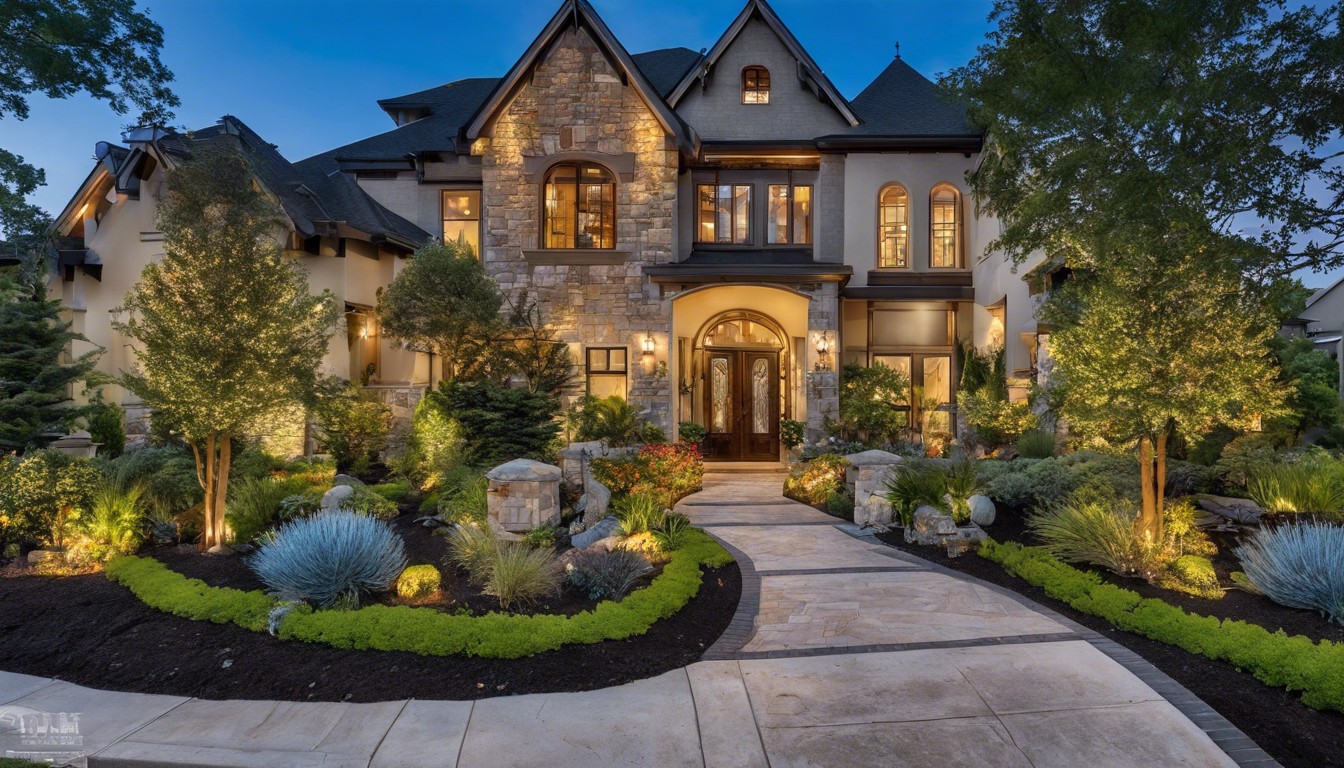
Healthy spacing
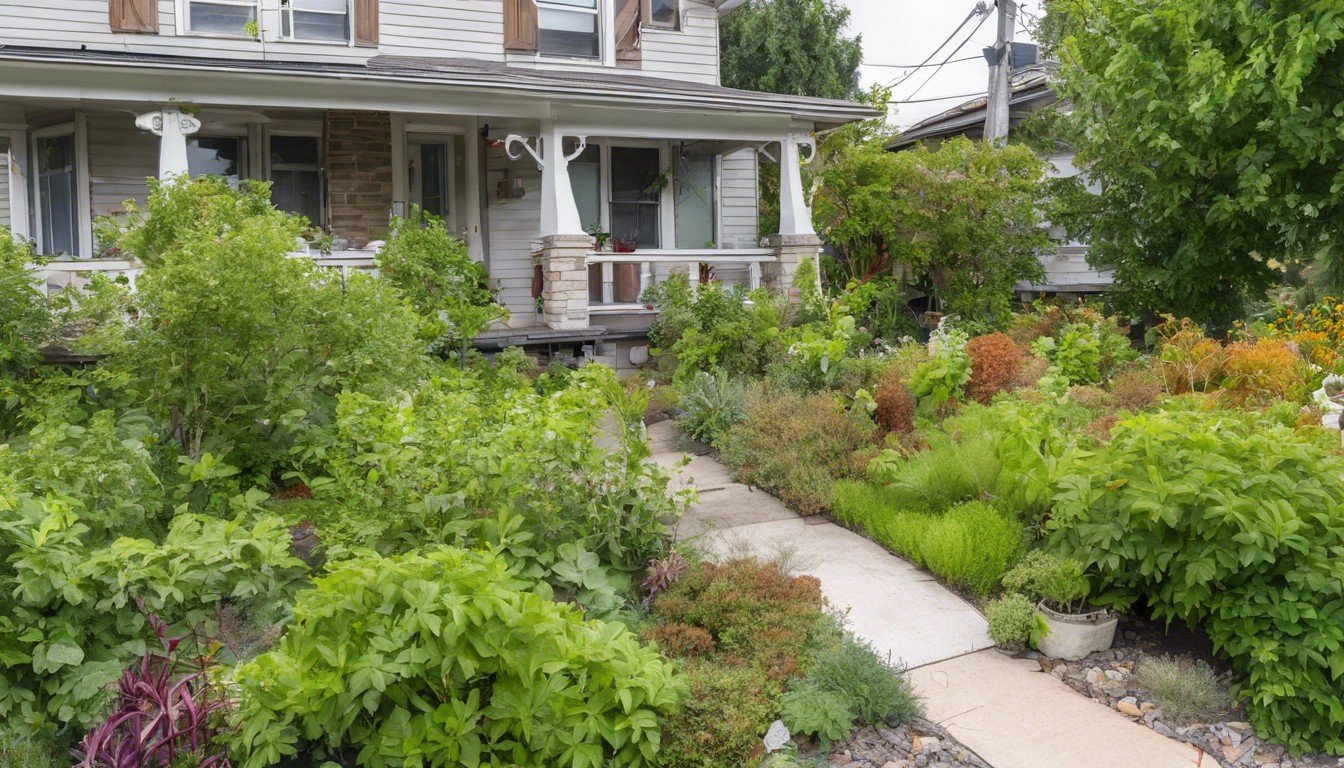
Crowded planting
Spacing can inhibit and ensure the continued growth of plants. Always consider the distance between plants relative to other plants or objects. Consider max height too. Growing too close to buildings and objects can cause a plant to become stunted over time, and can negatively impact health. Trees with aggressive roots (like oaks) can push up their roots under sidewalks and foundations, far from the trunk base, which can cause severe damage.
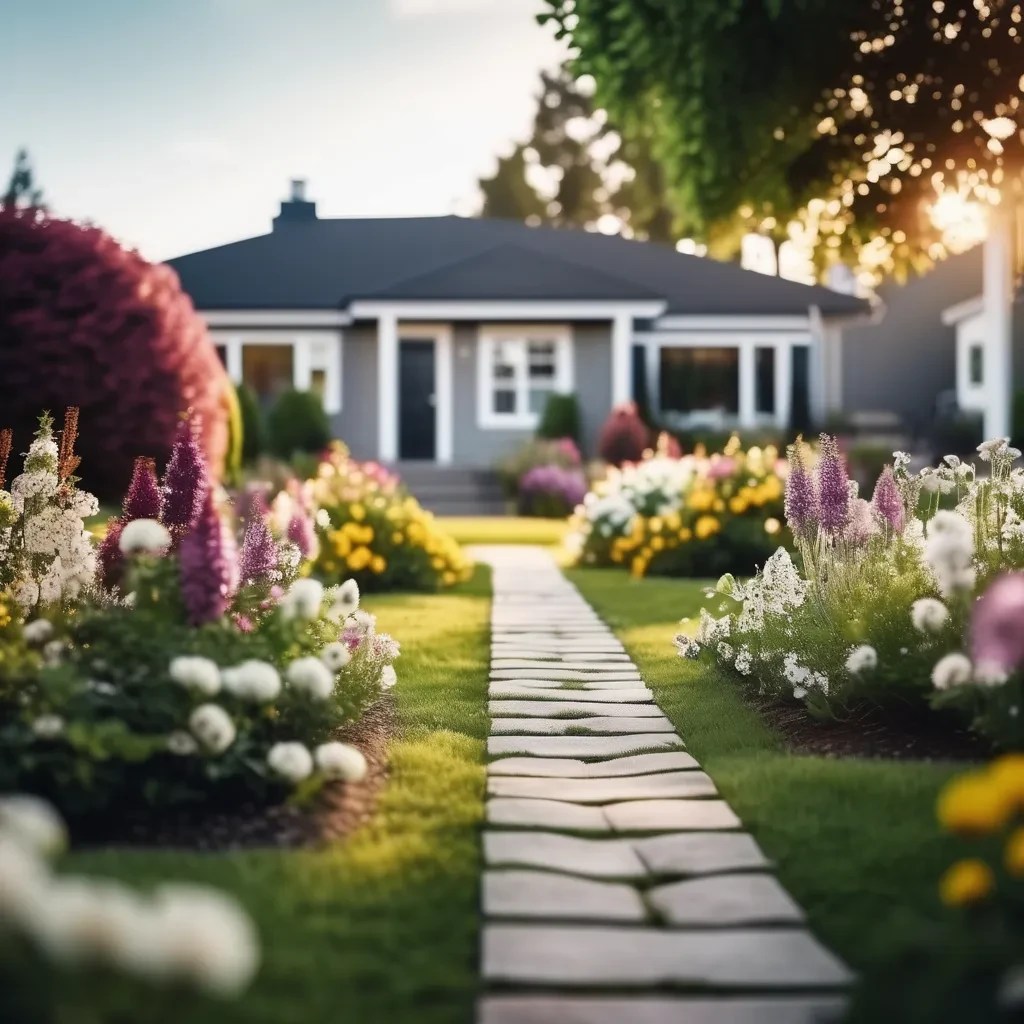
🎨 Visual Design
Visual design is important for attracting wildlife, practical functionality, and setting the mood for the atmosphere. Research and think about how a design may best function, what maintenance is necessary.
Safety: Prevent slipping hazards, such as moss formation on pavestones from water exposure, aboveground roots, torn weedcloth, and overgrown foliage.
Focal Point: Plants, structures, and decorations draw attention.
Contrast and Texture: Add varying shapes and colors and while maintaining balance and symmetry. Garden materials and plants add texture, detail, and interest.
Pathways: Necessary to walk safely and to access different areas of the garden.
Vertical Gardening: Utilize tall fences and walls to be used as trellises to improve foliage aeration (prevents diseases and pests) for beautiful climbing flowers or for fruit or vegetable vines to grow.
Container Gardening: Repurpose containers, pallets, and other construction materials to create designs for smaller spaces, to create pallet gardening beds, and to be environmentally friendly.
❄️ Chill Hours
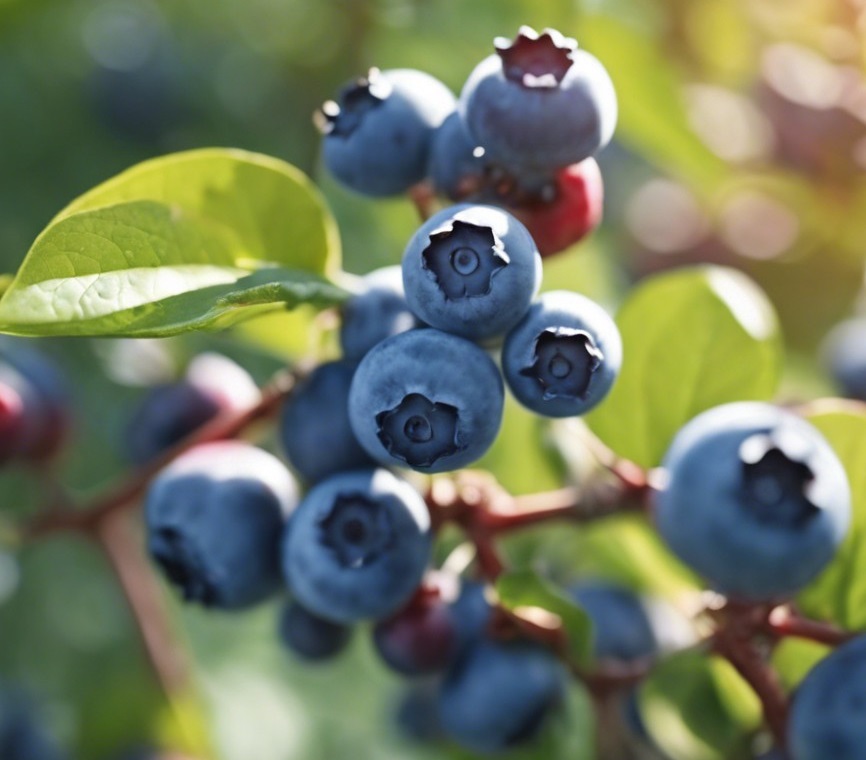
Chill hours apply to applicable fruiting plants, such as blueberry bushes and apple trees (Not all fruiting plants require chill hours, like Avocado). Each plant variety requires so many hours at a certain temperature to ensure proper development of fruit, which creates desirable sweetness and texture.
🍂Plant Maintenance
High maintenance plants requirements vary for each specific variety, and care may be required every few days, weekly, or biweekly. Many varieties of plants shed flowers and fruits which cover lawns, sidewalks, driveways, and parked vehicles. Specific plant varieties have chemical compounds stronger than others which creates darker stains. Excess flower or fruit buildup may also cause stains to form. Clean up fallen plant matter promptly and frequently. Prevent extra work by preemptively removing dead leaves, pruning branches, and deadheading flowers from plants instead of waiting for plant matter to fall.
Low maintenance plants such as specific palm trees and ferns don’t drop flowers, ideal for pools, unlettered yards, and sidewalks. Palm trees require frond removal at least once each year, and ferns look best when dead foliage is removed. Xeriscaping plants require little water and take care of themselves without maintenance.
🌦️ Microclimates
A microclimate is a localized set of atmospheric conditions that differs from the climate of the surrounding area. Topography (hills, valleys, bodies of water), vegetation density (trees, shrubs, and groundcovers affect the temperature, humidity, and wind movement), and urban pollution (larger cities are warmer than surrounding rural areas) are influential factors to create microclimates. A microclimate in the garden could be an unnoticed, damp, shady spot around a spacious sunny yard.
Identify a microclimate, match plants that would thrive in those conditions, and adjust the conditions to create a wonderful addition to any landscape.
Create a microclimate by adding trees with dense canopies to provide shade, adjusting soil elevation to help water drainage allow flow to other parts of the yard or for water retention, or by adding a water feature such as a pond.
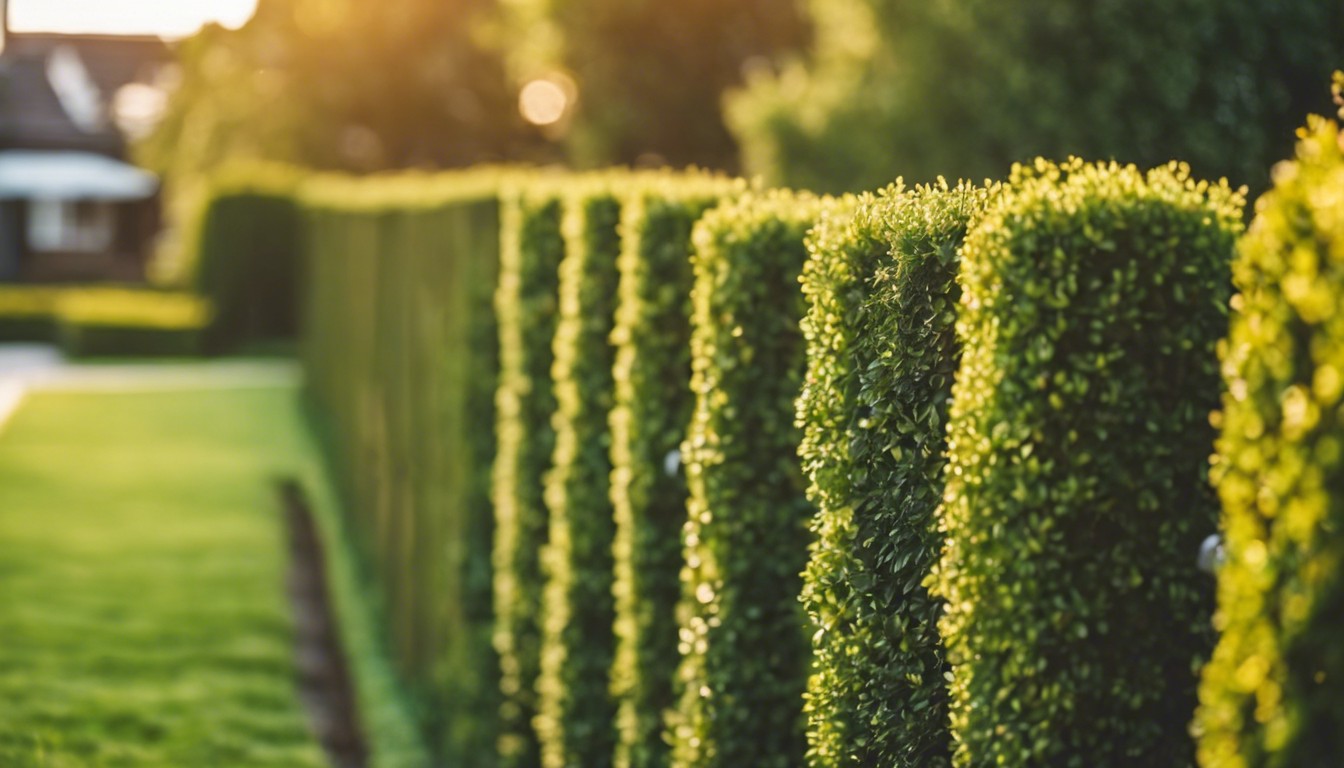
🌳 Living Fences
Living fences are a beautiful way to create a secure enclosure. Consider non-toxic species for children, cats, dogs, etc.
🔒 Accessibility
Consider visibility and access when selecting plants. Will a climbing vine plant hinder a view or add unwanted foliage on objects like sheds, roofs, gutters, and other plants? Consider handicap access by adding smooth sidewalks with slight inclines. Keep safety hazards out of pathways to prevent an accident from happening.
People or wildlife might try to enter the garden. Consider tall fences, locking mechanisms, motion activated floodlights, and protective netting or wire to keep plants and crops safe.
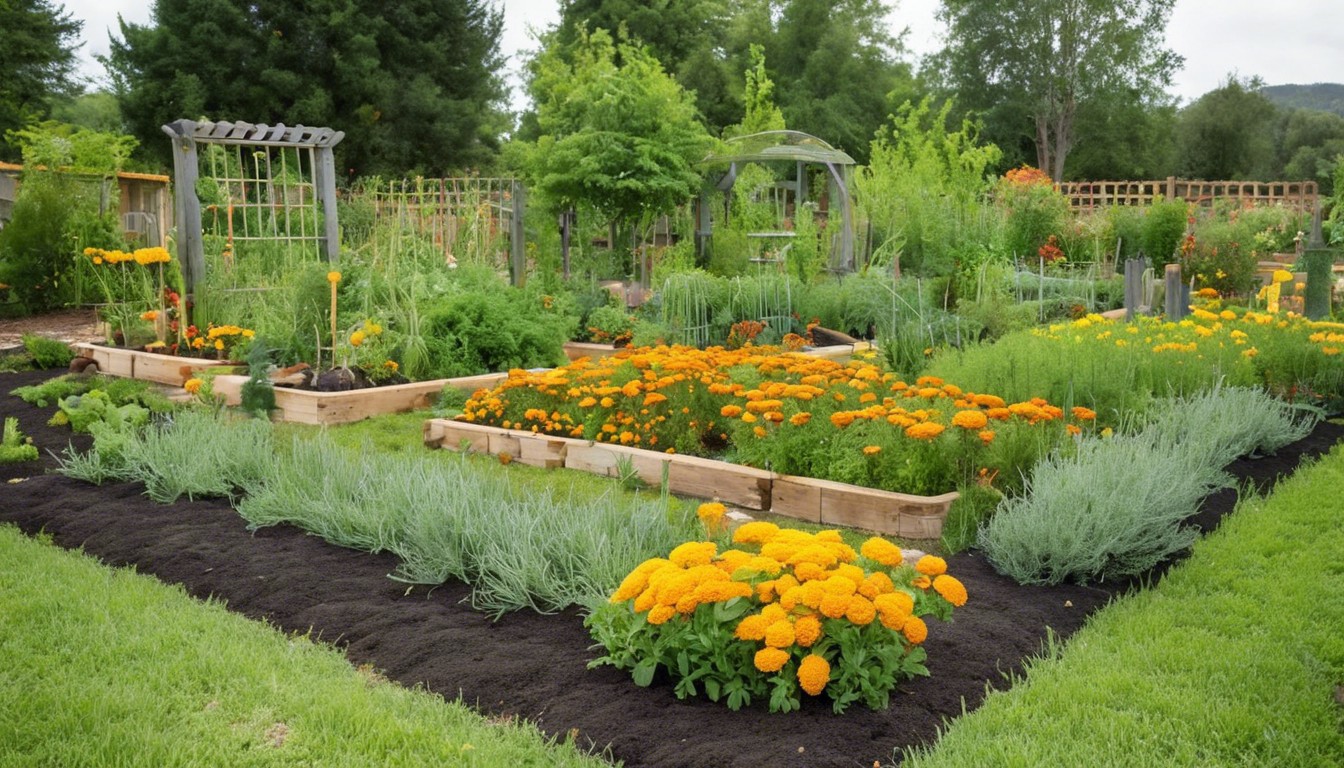
🛡️ Defensive Designs
Defensive designs and plants can be established with marigolds, etc. to protect produce gardens.



 Vegan Botany