
Handling and Relocating
Proper handling of plants is critical when repotting to a larger pot size or relocating. Have garden areas ready or pots with soil ready for plants to be immediately transplanted. Plants left uprooted may die quickly, sometimes in a matter of minutes. Provide ample watering and to cover shade to purchased potted plants if not planting immediately.
Is the environmental location appropriate for the plant variety?
☀️ 🌡️ 💦 🪴

Safe Relocating
Vehicle Transport
Securely transport plants by placing them side-by-side compactly, preventing sliding or shifting. For tall trees, place plant pots against the truck cab and the tree trunk rested on the tailgate (cushion the tailgate top with a soft material to prevent damage) with the foliage overhanging. Cover delicate foliage and tie secure when traveling long distances to prevent whiplash from the wind. Drive slowly, if possible, to expose the plants to as little wind as possible. Sedans and SUVs carry limited quantities and dimensions. Plant nurseries and landscaping companies may be hired to safely deliver plants. Using a dolly at home helps safely transport plants from one place to another.
Uprooting and Replanting
Plants and trees may be relocated by digging up the root ball and replanting, watering heavily every day for at least 2 months. Broken and missing roots may cause disease susceptibility. During the Summer, water newly planted outside full sun plants every day and newly planted outside shaded plants approximately 2 times each week. Afterwards, water every 2 to 4 days. Large trees should be generously irrigated every day for 2 weeks, thereafter watered 2 to 3 times each week for 2 months. After 2 months, water once a week for a year to help stimulate the development of deep roots for the tree to successfully adapt to it’s new environment.
Planting
When planting a potted plant, dig a hole that’s as deep as the pot and have each side of the plant at least as wide as the pot. For plants with wide roots, dig a hole that is twice the width of the pot and gently space out the root system and then cover with soil to promote healthy growth. Burying tangled roots could cause health issues or stunted growth. Water every day for a week, then water every 2 to 3 days for the next 2 weeks, following the plant’s specific watering needs.
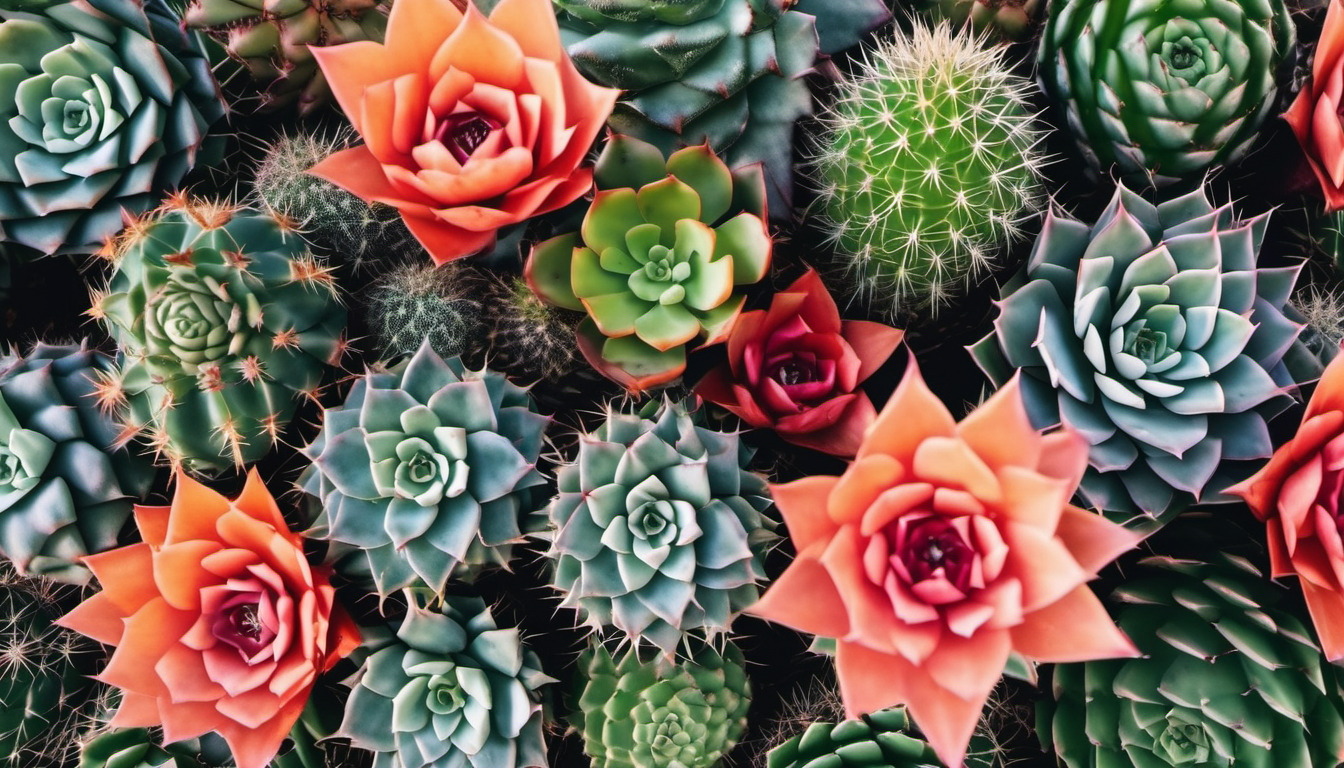
Succulents and Cacti
Cacti have large spikes, while agave plants have removable sharp thorns at the ends of their large leaves.
Gloves that are thick and long-sleeved provide ample protection when maintaining pokey plants.
Handle slowly and delicately or they could easily break. Leaves of succulents can start a new plant. Research the variety and learn how! Succulents leaves form roots on substrate surfaces and don’t get buried like a seed, by the way!
 Vegan Botany