
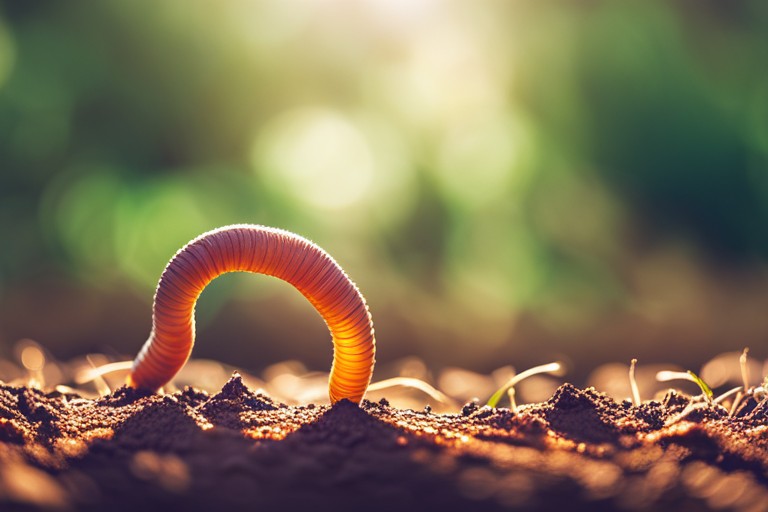
Soil Type
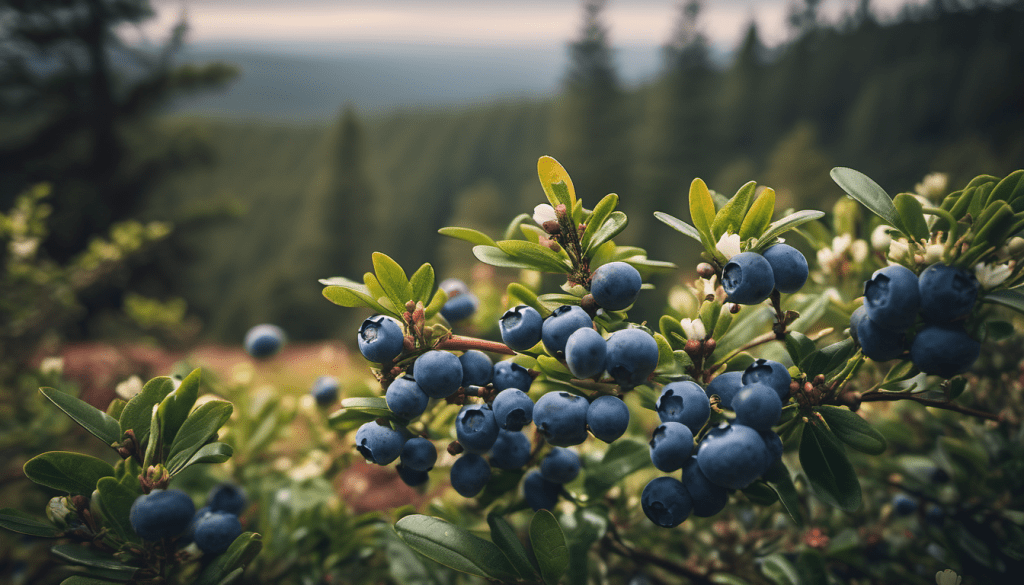
🌲🍓
Acidic
(Conifer forest, humid tropics, swamps, peatland, sandy soils)
Pine trees, magnolia, laurel, spruce, strawberry, blueberry, rhododendron, camelia, nasturtium, daffodil, bleeding heart, and tomato
PROS: Increases available nutrients, such as iron, magnesium, and phosphorus, which blueberry and azalea plants require more of.
CONS: May inhibit nutrient absorbency for iron, phosphorus, etc. Plants won’t absorb water as well in very acidic soil; pH 5.0 to 6.0 acidity may break down soil structure; pH 4.0-5.0 may have high concentrations of soluble aluminum, iron, and manganese which may be toxic to the growth of some plants.
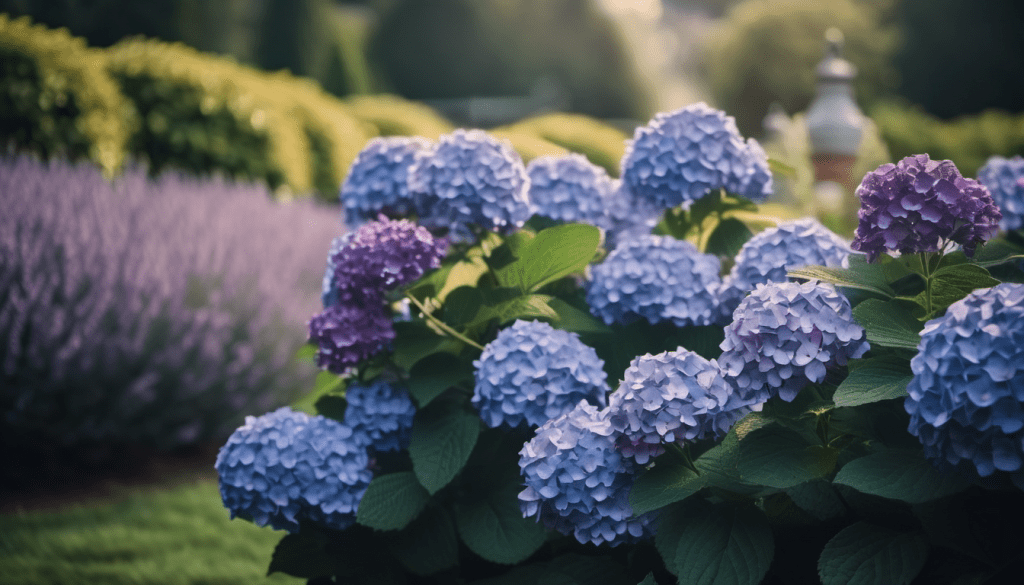
🥦🥬
Alkaline
(Coastal, arid locations, soil with bedrock or limestone.)
Hawthorn, yucca, philadelphus, butterfly bush, forsythia, asparagus, pomegranate, fig, rosemary, lavender
PROS: Less microbial diseases due to high pH.
CONS: Incompatible plants may have stunted growth, difficulty absorbing nutrients, and there may be reduced nutrients available to acidic or neutral pH plants, such as phosphorus and iron.
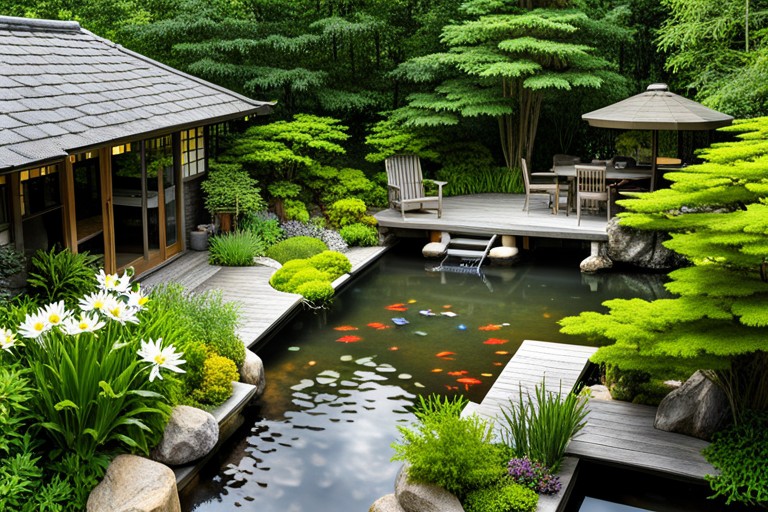
🏞️🦆
Aquatic
(Hydroponic, swamps, ponds, lakes.)
PROS: Use 10 times less water than traditional agricultural irrigation. Aquatic plants reduce algae growth in ponds. Live plants produce more oxygen and balance water chemistry by removing toxic chemicals. Seagrasses stabilize sediments and generate organic material for small invertebrates.
CONS: Some plant species may outcompete and displace native aquatic plants, which are more valuable for fish and wildlife. Plant species may grow into dense mats of aquatic vegetation, which may reduce water quality and harm fish.
🏜️🦎
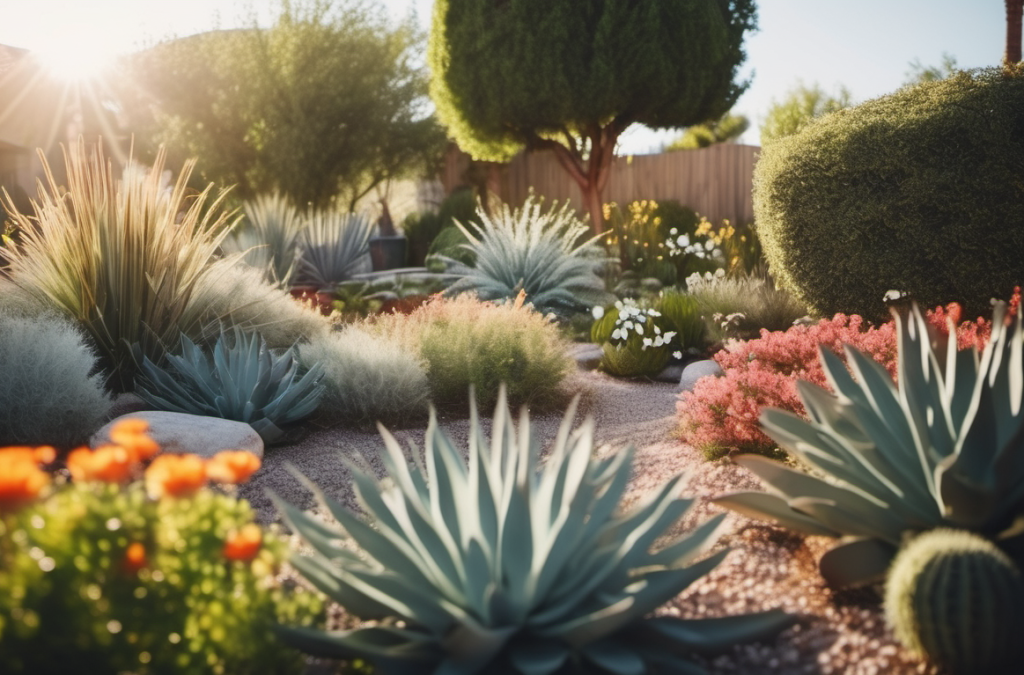
Xeriscape
(Dry or desert-like conditions, minimal water requirements.)
Aloe, cactus, agave, sedum, echeveria, creeping juniper, ice plant, creeping phlox, lavender, yarrow, echinacea
PROS: Allows for water conservation by using less water, which reduces the water bill. Drought tolerant plants are low maintenance which saves time spent gardening. Attracts hummingbirds, bees, butterflies, and other beneficial pollinators. Established plants have healthy root systems that help prevent soil erosion, especially for slopes.
CONS: Customized designs may limit the recreational room of children and pets. Requires knowledge and research for proper placement for optimal growth and efficient water distribution. May require occasional weeding, trimming, and pest control.

Themes

🖍️🌈
Color
(Bright, dark, pastel, subtle, rainbow.)
PROS: Visually stunning with a wide variety of plants with the potential for many beautiful aromas. Attracts hummingbirds, butterflies, bees, and other beneficial pollinators.
CONS: When the flowering season is over, the variety of color may be lacking. Research blooming dates to plan adding species in the garden that always have something blossoming. The variety of plants may all have differing needs for sunlight, soil pH, and water, which should all be considered and taken into consideration for the layout prior to planting.

🌴🌿
Edible
(Culinary cuisine for nutrients, texture, flavor, and garnishes.)
PROS: Access to a variety of fresh, nutrient rich produce. Reduces grocery bills and environmentally friendly. Bring families closer together, spawns a sense of accomplishment, and increases health and well-being.
CONS: May be time consuming to maintain and requires knowledge for a plentiful harvest. The climate may provide seasonal limitations, research what crops to grow during which season. Unhealthy plants may be prone to diseases and pests. An abundance of food creates competition with neighboring wildlife, such as deer, raccoons, rabbits, squirrels, birds, etc.

🌼🌺
Easy and Maintenance Free
(Self cleaning plants, non-messy flowers. Xeriscaping conserves water!)
PROS: Easy for beginners and less maintenance. Lower cost for installation and maintenance. Consider native and local plants to be environmentally friendly, which benefits wildlife. Attracts hummingbirds, songbirds, butterflies, bees, and other beneficial pollinators.
CONS: Lack of variety may not be as satisfying as another garden genre. Weed block and ground cover may significantly reduce weeds, however occasional weeding and pruning may be necessary.
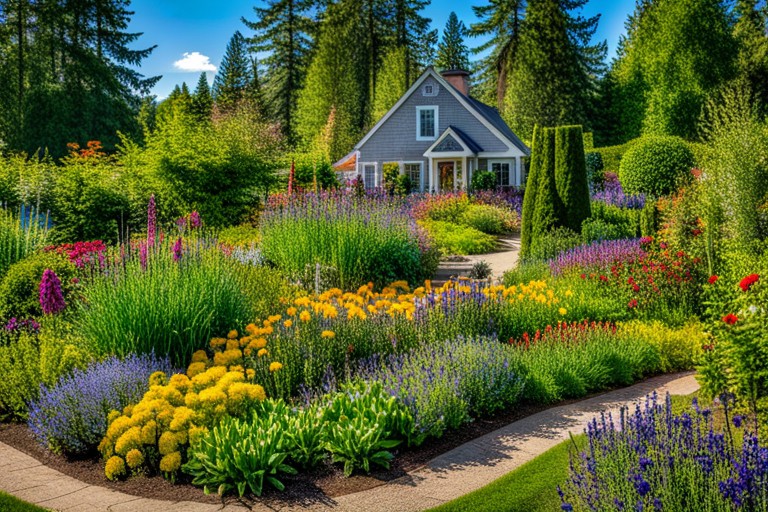
(Attract hummingbirds, songbirds, butterflies, bees. and other beneficial pollinators.)
PROS: Attracts hummingbirds, songbirds, butterflies, bees, and other beneficial pollinators. Aromatic and beautiful flowers throughout the season on plants that may have medicinal qualities. Planting with planned bloom times throughout the year provide a continuous food source for pollinators. Significantly benefits the ecosystem and local wildlife.
CONS: Limited plants selection and potential for messy fallen flowers and seed pods. Different species may have differing requirements for sunlight, soil pH, and water, which requires consideration for the appropriation for their placement. May attract unwanted pests or stinging insects, do research to see what pollinators specific plants attract!

